Aktio (aktio.xyz) Broker Review

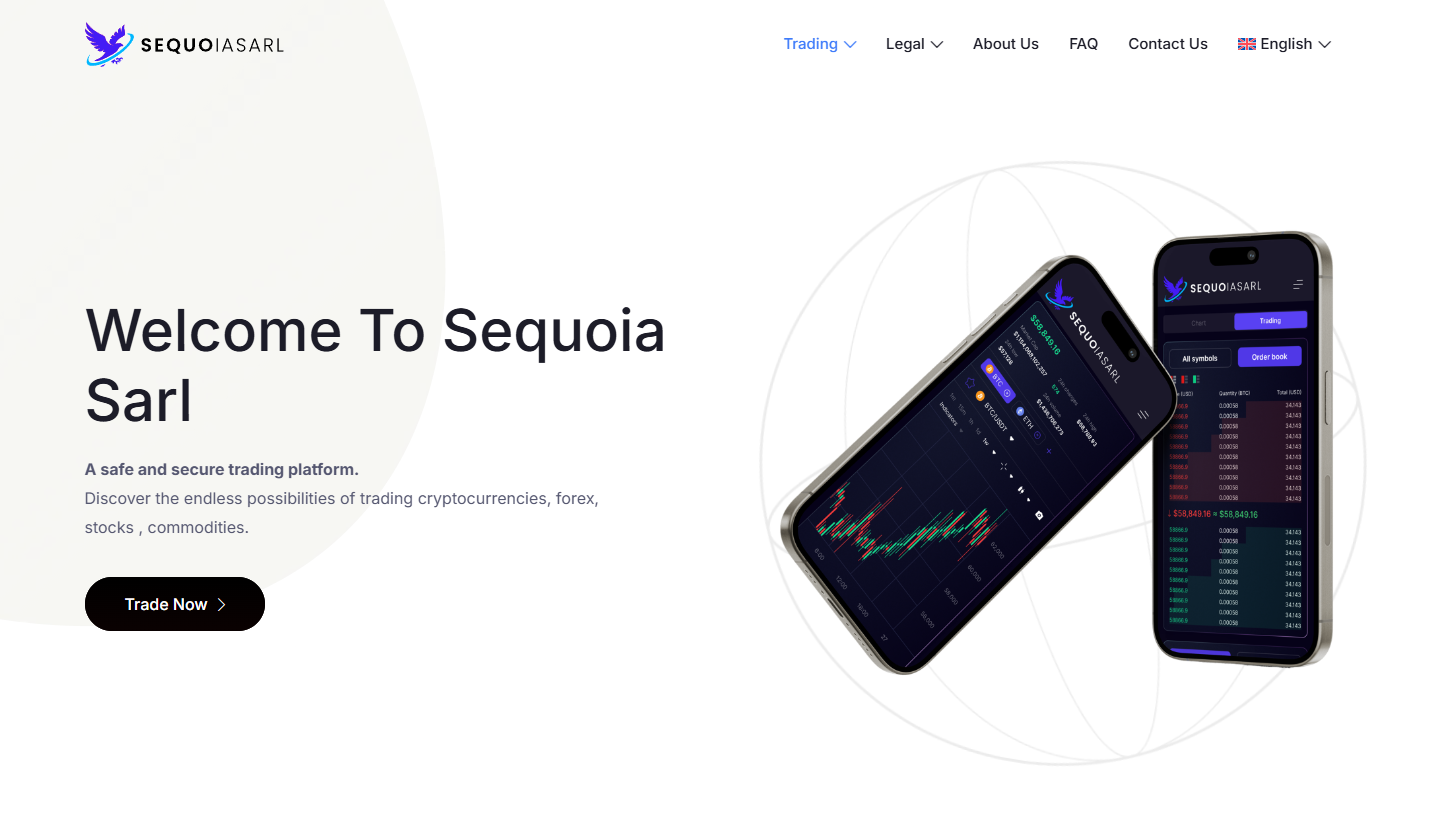
Aktio presents itself as an international CFD broker offering access to forex, cryptocurrencies, commodities, indices, and equities. The company claims to have been operating since 2017 and to be regulated by several well-known financial authorities, including the FCA, CySEC, DFSA, and IFSC. However, a detailed investigation of Aktio’s legal status, regulatory claims, technical infrastructure, and user feedback reveals serious inconsistencies and multiple red flags commonly associated with fraudulent brokerage operations.

This article provides a comprehensive analytical review of Aktio (aktio.xyz), based on publicly available data, regulatory databases, domain analysis, and independent user complaints.

Corporate Identity and Jurisdiction

According to information published on third-party review websites and partially reflected on the platform itself, Aktio claims the following:

  • Legal jurisdiction: Argentina
  • Claimed legal address: 3 de Febrero 1901, S2000BLM Rosario, Santa Fe, Argentina
  • Claimed year of establishment: 2017
  • Contact details:

No verifiable corporate registration documents confirming the existence of a licensed financial services company at this address have been found. There is no publicly accessible company number, no registration extract, and no evidence that this entity is authorized to provide brokerage or investment services in Argentina or any other jurisdiction.

The lack of transparent corporate disclosure is a major issue, especially for a broker soliciting large deposits from retail clients.

Regulatory Claims and Verification

Aktio claims to be regulated by the following authorities:

  • FCA (United Kingdom)
  • CySEC (Cyprus)
  • DFSA (Dubai)
  • IFSC

A direct review of the official public registers of these regulators shows the following:

  • Aktio is not listed as a licensed or authorized firm in the FCA Financial Services Register.
  • Aktio does not appear in the CySEC list of regulated investment firms.
  • Aktio is not registered with the DFSA.
  • No valid IFSC license linked to Aktio or the aktio.xyz domain can be verified.
No license numbers are provided, and no regulatory documents are published on the website. Using the names of major regulators without verifiable authorization is a common tactic used by unregulated or fraudulent brokers to create a false sense of legitimacy.

Conclusion on regulation: Aktio operates without confirmed regulatory authorization.

Websites and Domain Analysis

Known domains associated with the project include:

  • aktio.xyz
  • ak-tio.world

The primary website associated with the project is aktio.xyz, with additional references to an alternative domain, ak-tio.world. The existence of multiple domains tied to the same brokerage operation often indicates an attempt to manage reputational risk or bypass restrictions imposed by payment providers or hosting services.
Domain analysis does not support the broker’s claim of operating since 2017. The domain history lacks the longevity and continuity expected from an established brokerage firm. There is no extensive archived presence demonstrating long-term activity, and ownership data is not transparently disclosed. These inconsistencies further undermine the credibility of the project’s claimed operational history.

Trading Platform and Technology

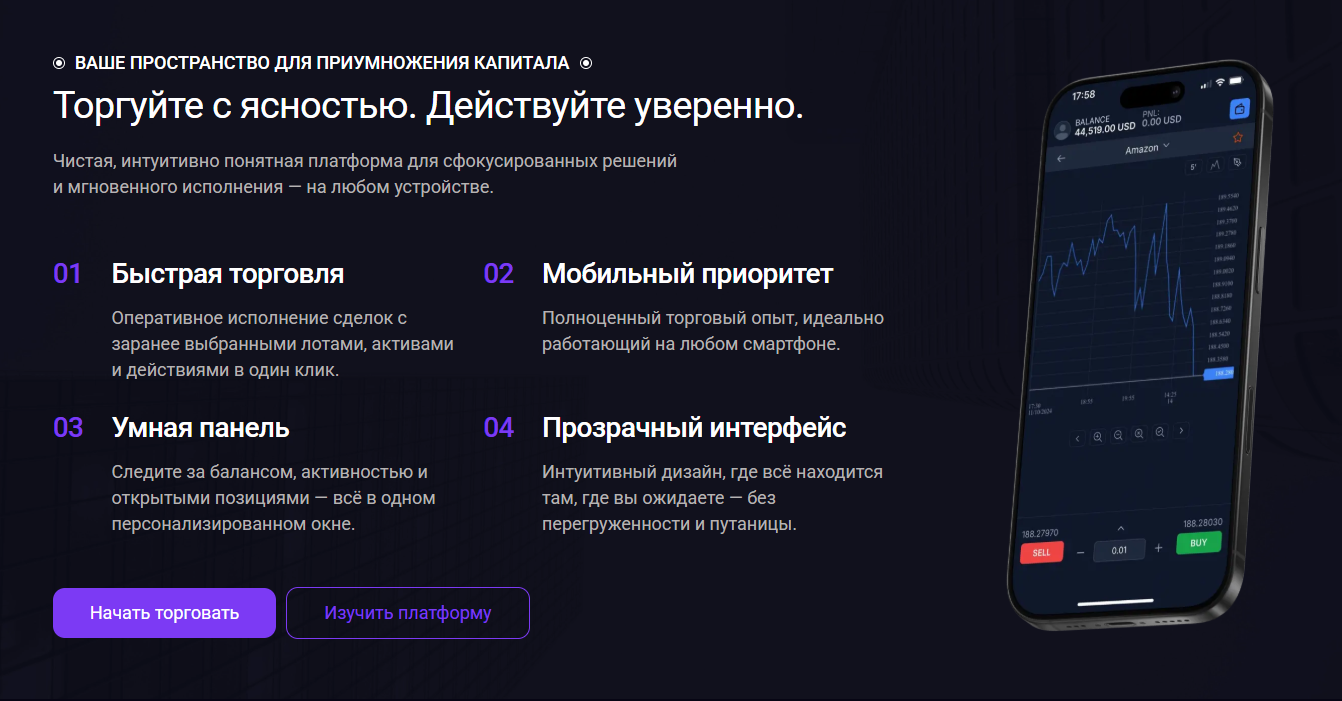
Aktio does not provide access to industry-standard trading platforms such as MetaTrader 4 or MetaTrader 5.

Instead, it promotes a proprietary trading platform available in:

  • Web version
  • Desktop version
  • Mobile version

Aktio does not offer access to recognized third-party trading platforms such as MetaTrader 4 or MetaTrader 5. Instead, it relies exclusively on a proprietary platform that is presented as available in web, desktop, and mobile formats. While proprietary platforms are not inherently illegitimate, they require a higher level of transparency and technical disclosure to be considered trustworthy.

Aktio provides no documentation explaining how orders are executed, whether trades are routed to external liquidity providers, or whether the platform operates under an STP, ECN, or dealing desk model. There is no independent verification of price feeds, execution quality, or market access. Without external audits or third-party platform integration, there is no way for clients to confirm that trades reflect real market activity rather than internal simulations.

Trading Conditions and Account Types

According to promotional materials, Aktio offers multiple account types with the following features:

  • Minimum deposit ranging from USD 1,000 to USD 50,000
  • Leverage from 1:20 up to 1:100
  • Instant execution
  • No swaps
  • Investment protection and insurance (not documented)
  • Personal account managers
  • PAMM accounts
  • Access to “popular assets”

These offerings are described in promotional terms but lack contractual detail. There is no publicly accessible breakdown of spreads, commissions, margin requirements, or risk management rules. Claims of insured or protected investments are not supported by references to insurers, compensation schemes, or legal guarantees. The combination of leveraged trading with advertised stable returns raises serious concerns about the realism and legality of these promises.

Deposits, Withdrawals, and Fees

Aktio states that it accepts deposits via:

  • Credit and debit cards
  • Bank transfers
  • Electronic wallets
  • Cryptocurrencies

However, critical information related to withdrawals is not disclosed in advance. The broker does not specify minimum withdrawal amounts, processing timelines, or applicable fees.

User complaints describe a recurring pattern in which withdrawal requests are blocked or delayed. Clients report being instructed to pay additional charges described as taxes, insurance fees, or account unlocking costs. These payments are demanded after a withdrawal request is submitted, and even after compliance, funds are reportedly not released. Such behavior is incompatible with standard brokerage practices and is frequently observed in fraudulent investment schemes.

KYC and Legal Documentation

Aktio claims to follow KYC and AML policies, but:

  • No full KYC/AML policy is publicly accessible.
  • No client agreement or legal documentation is clearly published on the website.
  • There is no disclosure of governing law or dispute resolution mechanisms in a transparent format.

The absence of legally binding, accessible documentation leaves clients without enforceable rights.

User Reviews and Complaints

Independent user feedback paints a consistent and concerning picture.

Common themes reported by users include:

  • Inability to withdraw deposited funds
  • Sudden appearance of mandatory additional payments
  • Aggressive persuasion by account managers
  • Disappearance or silence from support after payment issues arise
  • Financial losses ranging from several thousand dollars upward

Some reviews also promote “chargeback services” in the comment sections, which is itself typical in scam-affected environments and further indicates widespread financial harm.

There is no credible evidence of long-term profitable users successfully withdrawing funds from Aktio.

Marketing Practices and Risk Indicators

Aktio’s marketing materials emphasize:

  • High-level personal support
  • Investment protection
  • Stable returns
  • Exclusive trading conditions

At the same time, the broker fails to provide:

  • Verified regulatory oversight
  • Audited financial reports
  • Transparent execution models
  • Independent platform verification

This discrepancy between marketing promises and factual transparency is a significant warning sign.

Risk Assessment

Based on the investigation, Aktio demonstrates the following high-risk characteristics:

  • False or unverified regulatory claims
  • Lack of corporate transparency
  • No confirmed legal authorization to provide brokerage services
  • Non-transparent trading infrastructure
  • High minimum deposits
  • Documented withdrawal problems
  • User reports of coercive financial demands
  • Use of multiple domains and opaque ownership

Final Conclusion

Aktio (aktio.xyz) cannot be considered a legitimate or safe broker. The absence of verified regulation, combined with consistent user complaints and non-transparent business practices, places this platform in the high-risk category. The available evidence strongly suggests that Aktio operates as an unregulated brokerage scheme with characteristics commonly associated with investment fraud.

Potential clients should avoid depositing funds, providing personal documents, or engaging with representatives of this platform. Users who have already transferred money should seek independent legal advice and contact their payment providers as soon as possible.

This review is based on publicly available information, regulatory database checks, domain analysis, and independent user reports.

VenturyFX Broker Review

VenturyFX presents itself as an international online broker allegedly operating since 2018 and offering access to global financial markets. The company claims regulatory oversight, professional trading services, and client-oriented conditions. A detailed analysis of its legal status, corporate structure, trading conditions, and client feedback shows a very different picture. VenturyFX demonstrates a combination of red flags typical of pseudo-broker schemes whose primary goal is collecting deposits rather than providing legitimate brokerage services.

Claimed Regulation and Legal Status

VenturyFX states that it is regulated by the Financial Services Commission (FSC) of Mauritius and refers to a specific license number. However, these claims are not supported by verifiable documentation. The website does not provide a copy of the license, does not link to an official regulator register entry, and does not disclose the current status or scope of the alleged authorization.

Even if a formal registration in Mauritius were to exist, this jurisdiction is widely regarded as offshore and does not provide meaningful supervision over retail forex and CFD brokers. Such regulators do not enforce strict capital requirements, do not actively monitor order execution, and do not guarantee client fund protection. In practice, references to offshore regulation in cases like this function as marketing tools rather than real safeguards for investors.

Lack of Corporate Transparency

VenturyFX fails to disclose fundamental corporate information that is mandatory for any legitimate broker. There are no incorporation documents, no details about owners or ultimate beneficial beneficiaries, and no financial statements published on the website. The company does not identify its banking partners or explain how client funds are stored and protected.

Contact information is limited to a generic support form and a phone number. There is no documented proof that the company physically operates from the stated address. For a broker accepting funds from retail clients, such opacity is unacceptable and strongly suggests an attempt to avoid accountability.

Blurred Corporate Structure

VenturyFX is reportedly operated through several legal entities, including Smart Trade Ltd and related structures registered in different jurisdictions. This fragmented setup makes it difficult to determine which entity is legally responsible for client funds and contractual obligations.

The absence of disclosed beneficiaries, directors, and internal control mechanisms further aggravates the situation. There is no information about custodial banks, no confirmation of client fund segregation, and no explanation of internal risk management procedures. This structure is characteristic of projects designed to shift responsibility and complicate legal claims in the event of disputes.

Trading Platform Without Independent Control

VenturyFX does not offer access to established industry platforms such as MetaTrader 4 or MetaTrader 5. Instead, clients are directed to a proprietary web-based trading terminal fully controlled by the company itself.

Such platforms are not independently audited and do not allow traders to verify real market execution. Quotes, trade results, and account balances are entirely managed by the broker. Under these conditions, the client has no technical means to confirm whether trades are executed on a real market or simulated internally.

Absence of Clear Trading Conditions

One of the most serious issues is the complete lack of clearly defined trading conditions. VenturyFX does not disclose its execution model, leaving clients unaware whether orders are processed via ECN, STP, or an internal dealing desk. Leverage parameters are not publicly stated, despite their direct impact on risk exposure.

Spreads, commissions, additional fees, margin requirements, and stop-out rules are not transparently published. As a result, clients enter into trading relationships without knowing the actual cost structure or risk framework. The minimum deposit is reportedly around USD 300, but beyond this figure, the rules of engagement remain undefined.

This setup allows the broker to change conditions unilaterally and retroactively, referring to internal policies unavailable to clients until a dispute arises.

Deposit and Withdrawal Issues

VenturyFX claims to support multiple funding methods, including bank cards, transfers, electronic systems, and cryptocurrencies. However, no concrete information is provided regarding withdrawal processing times, fees, or limits.

Client complaints consistently indicate that withdrawal requests are the main point of conflict. Users report delayed processing, additional payment demands, account restrictions, and complete loss of communication after requesting withdrawals. These patterns are not isolated incidents but recurring scenarios documented across multiple independent platforms.

Client Reviews and Reputation

The reputation of VenturyFX on independent review sites is overwhelmingly negative. The majority of client feedback follows the same pattern: funds are accepted without issue, but problems begin once a client attempts to withdraw money.

Traders also report aggressive behavior from account managers who pressure them to deposit additional funds, often under the pretext of unlocking withdrawals or accessing special opportunities. When clients refuse, communication frequently ceases, and access to accounts may be restricted. The consistency of these reports indicates a systemic issue rather than operational mistakes.

Marketing as a Primary Tool

VenturyFX heavily relies on promotional promises such as trading signals, personalized support, and fast withdrawals. None of these claims are supported by verifiable data. The company does not disclose who generates the signals, what qualifications its analysts have, or any historical performance statistics.

This lack of substantiation suggests that marketing is used purely as a mechanism to attract deposits, not as a reflection of actual service quality or professional expertise.

Indicators of a Pseudo-Broker Model

The overall analysis reveals a standard set of warning signs associated with pseudo-broker operations. VenturyFX combines offshore jurisdiction with formal or unverified regulation, lacks confirmed licenses, operates through an opaque corporate structure, and uses a proprietary platform without independent oversight. The absence of publicly available trading conditions and the volume of complaints related to withdrawals further reinforce this assessment.

Each of these factors individually represents a serious risk. Taken together, they strongly indicate that VenturyFX does not function as a genuine brokerage intermediary.

Final Conclusion

VenturyFX presents an extremely high risk for retail investors. The company does not demonstrate legal transparency, regulatory accountability, or operational integrity. Its behavior, infrastructure, and client feedback align with a model focused on deposit acquisition rather than fair and regulated trading services.

Engaging with VenturyFX exposes clients to a significant likelihood of financial loss. This platform does not meet the basic standards expected of a legitimate broker and should be considered a potentially fraudulent operation rather than a trustworthy participant in the financial markets.

In an era where financial news is delivered in short clips, social media posts, and endless market updates, finding truly in-depth analysis has become increasingly difficult. Most financial content is designed to be consumed quickly, often sacrificing context and long-term perspective in favor of immediacy.

Real Vision has built its reputation by moving in the opposite direction.

Founded in 2014, the platform has become one of the most recognized independent names in financial media, attracting investors, traders, economists, and market professionals who want to understand not just what is happening in the markets, but why it is happening.

Rather than competing with traditional financial news outlets, Real Vision focuses on long-form interviews, macroeconomic analysis, and institutional-level discussions that are rarely accessible to retail investors.


What Is Real Vision?

Real Vision is a subscription-based financial media and research platform created by former Goldman Sachs executive and hedge fund manager Raoul Pal.

The company was built around a simple idea: much of the highest-quality market analysis remains available only to institutional investors, hedge funds, and large financial organizations. Real Vision attempts to bridge that gap by bringing expert insights to a broader audience.

Today, the platform combines video interviews, market research, educational content, and community features into a single ecosystem designed for investors who want a deeper understanding of financial markets.


Content and Research

The core strength of Real Vision lies in its content.

Unlike many financial websites that focus on breaking news and daily market commentary, Real Vision emphasizes long-term thinking and detailed analysis. The platform covers a wide range of topics, including:

  • Global macroeconomics
  • Equity markets
  • Fixed income and bonds
  • Monetary policy
  • Commodities
  • Cryptocurrencies
  • Technological and investment trends

Most content is designed to explain relationships between different markets rather than simply report events.

For example, instead of discussing an interest rate decision in isolation, analysts may explore its implications for equities, bonds, liquidity conditions, digital assets, and broader economic growth.

This cross-market perspective is one of the reasons Real Vision has gained a loyal following among serious investors.


The Interview Format

Long-form interviews remain the platform’s signature feature.

Guests frequently include hedge fund managers, economists, venture capital investors, traders, entrepreneurs, and market strategists. Rather than limiting conversations to a few minutes, Real Vision often allows discussions to run for an hour or more.

This approach gives guests the opportunity to fully explain investment theses, discuss risks, and walk viewers through their decision-making processes.

For many subscribers, these interviews represent the primary value of the platform.

The experience often feels closer to listening to a private investment conference discussion than watching a traditional financial television segment.


A Strong Focus on Macro Investing

One area where Real Vision consistently stands out is macroeconomics.

Many of the platform’s most respected contributors focus on understanding the larger forces that drive financial markets, including:

  • Inflation trends
  • Interest rates
  • Central bank policy
  • Global debt cycles
  • Liquidity conditions
  • Capital flows
  • Economic growth

This emphasis on macro investing appeals particularly to long-term investors who believe that understanding the broader economic environment is critical to portfolio management.

Rather than searching for the next stock tip, Real Vision encourages investors to think about market cycles, risk management, and structural trends.


Cryptocurrency Coverage

Over the last several years, cryptocurrency has become a significant part of the Real Vision ecosystem.

The platform regularly features discussions on Bitcoin, Ethereum, tokenization, blockchain infrastructure, and the evolving digital asset industry.

Supporters view this as a major strength, arguing that Real Vision was among the first established financial platforms to take digital assets seriously and provide thoughtful analysis of the sector.

Critics, however, believe that the platform has occasionally devoted too much attention to crypto-related themes, particularly during periods of heightened market enthusiasm.

As a result, investors who focus exclusively on traditional asset classes may find some areas of coverage less relevant to their interests.


User Experience and Accessibility

Real Vision is not designed for casual market observers.

Many discussions assume a basic understanding of financial concepts, economic indicators, and investment terminology. New investors may occasionally find the content challenging, especially when conversations move into complex macroeconomic or institutional topics.

At the same time, the educational value of the platform is significant. Investors willing to dedicate time to learning often report that Real Vision helps them develop a more sophisticated understanding of how financial markets function.

The platform rewards curiosity and long-term thinking rather than short-term speculation.


Pricing and Value

Real Vision operates on a subscription model, with premium content available exclusively to paying members.

While the subscription cost is higher than many traditional financial news services, the platform is selling a different type of product. Subscribers are paying for expert perspectives, institutional-quality discussions, and access to a large archive of educational material rather than simple news updates.

Whether the cost is justified largely depends on how much value a user places on in-depth research and professional market insights.

For active investors and market enthusiasts, the subscription can represent a worthwhile investment. For those seeking only daily headlines or trading alerts, it may be difficult to justify.


Real Vision Strengths

Real Vision offers several notable advantages:

  • High-quality expert interviews
  • Strong macroeconomic coverage
  • Broad market perspective
  • Extensive educational content
  • Institutional-level discussions
  • Large archive of historical material
  • Exposure to diverse investment viewpoints

The platform excels at helping investors understand how experienced professionals analyze markets and build long-term investment frameworks.


Real Vision Weaknesses

No platform is perfect, and Real Vision has limitations.

Some potential drawbacks include:

  • Premium pricing
  • Content that may be too advanced for beginners
  • Limited focus on actionable trading signals
  • Heavy reliance on long-form formats
  • Frequent exposure to conflicting market opinions
  • Significant emphasis on macro and crypto-related themes

Importantly, consuming high-quality analysis does not automatically translate into superior investment performance. The platform provides information and perspectives, but users must still develop their own conclusions and investment strategies.

Final Verdict

Real Vision occupies a unique position within the financial media landscape.

It is not a brokerage platform, a stock-picking service, or a source of rapid market alerts. Instead, it serves as a destination for investors who want to think more deeply about economics, financial markets, and long-term investment trends.

Its greatest value lies in helping users understand how professional investors interpret risk, evaluate opportunities, and navigate changing market conditions.

For investors interested in macroeconomics, market structure, and institutional-level discussions, Real Vision remains one of the most compelling financial research platforms available today. Those seeking quick trading ideas or simplified market commentary may find it less useful, but for serious learners and long-term investors, the platform offers a depth of insight that is increasingly rare in modern financial media.

Exaco Broker Review

Exaco presents itself as an international brokerage company allegedly operating since 2018, offering trading and investment services to clients worldwide. The broker claims registration in Argentina and refers to regulation by several well-known authorities. However, a thorough analysis of available information shows that these claims are not supported by facts. What emerges instead is a project with clear signs of an unregulated and potentially fraudulent operation.

Corporate claims versus reality

According to its website, Exaco is registered in Buenos Aires and serves a large international client base. At the same time, the site does not disclose any legally verifiable information that would normally identify a real brokerage company. There is no official company name, no registration number, no corporate documentation, and no disclosure of owners or management.

For a financial intermediary, especially one claiming international reach, this lack of basic corporate transparency is a critical issue. Clients are left without a clear understanding of which legal entity they are dealing with or which jurisdiction would apply in the event of a dispute.

Lack of confirmed regulation

Exaco publicly states that it is regulated by FCA, DFSA, CSSF and VFSC. These references are used prominently as a trust-building element. However, no license numbers are provided, and no direct links to regulatory registers are shown.

Independent checks of the official databases of these regulators do not confirm the existence of Exaco as a licensed broker. This means the references to well-known authorities appear to be purely declarative. In legitimate brokerage practice, regulatory status is always verifiable and transparent. The absence of such confirmation strongly suggests that the licensing claims are false.

Domain history and inconsistencies

Exaco claims to have been operating since 2018. At the same time, the domain exaco.xyz was registered only in 2021. This discrepancy is significant, as no earlier domains, archived activity, or documented operating history have been identified.

Additionally, the project uses alternative domains and subdomains, a practice often associated with schemes that anticipate complaints, blocking, or reputation damage and therefore prepare replacement entry points in advance.

Trading platform and execution model

The broker claims to use a proprietary trading platform. However, there is no demo account available. A potential client cannot test the platform, review its functionality, or assess execution quality before depositing funds.

The execution model is not disclosed. There is no information on whether orders are executed via STP, ECN, or an internal dealing model. Liquidity providers are not named, and the source of price quotes is not explained. As a result, clients cannot determine whether trades are sent to the market or processed entirely within a system controlled by the company itself.

The advertised leverage of up to 1:500 is another strong indicator of the absence of regulatory oversight. Such leverage levels are prohibited for retail clients in most regulated jurisdictions due to the high risk of rapid capital loss.

Hidden trading conditions

Exaco does not publish essential trading parameters that every legitimate broker is required to disclose in advance.

Specifically, the website does not provide information on:

  • spread sizes and whether they are fixed or variable;
  • trading commissions and how they are charged;
  • swap rates and the rules for their calculation;
  • margin requirements and maintenance levels;
  • position liquidation rules and stop-out mechanisms.

This lack of transparency prevents clients from objectively assessing trading costs and risks. All critical parameters remain under the broker’s unilateral control and may be changed without notice, including retroactively. In such an environment, informed decision-making is impossible.

Investment programs and fixed returns

Exaco also promotes investment offers with a fixed return of approximately 3.5%. These offers are presented as stable and predictable income opportunities.

In regulated financial markets, fixed or guaranteed returns are only possible within strictly defined legal frameworks, accompanied by detailed risk disclosures and contractual documentation. Exaco provides none of this. There is no explanation of how returns are generated, no legal structure for asset management, and no documentation outlining investor rights or liabilities.

This approach aligns with classic investment fraud patterns, where guaranteed income is used to attract deposits without any real, verifiable investment mechanism behind it.

Deposits, withdrawals, and client complaints

The broker states that it supports multiple payment methods, including bank cards, transfers, electronic wallets, and cryptocurrencies. However, no withdrawal policy is published. Clients are not informed in advance about processing times, fees, or limitations.

User complaints describe a recurring scenario. When a withdrawal request is submitted, clients are told they must first pay additional fees, taxes, or service charges that were never disclosed beforehand. Even after these payments are made, withdrawals are often delayed indefinitely or denied altogether.

This pattern indicates a systematic approach to retaining client funds rather than isolated operational issues.

Reputation and risk profile

Independent reviews and user feedback are overwhelmingly negative. Reports include blocked accounts, ignored support requests, pressure from account managers to deposit more funds, and consistent problems with withdrawals. Verified positive experiences or independently confirmed successful withdrawals are notably absent.

Final assessment

The analysis of Exaco reveals a combination of warning signs typical of unregulated and fraudulent broker schemes. These include false regulatory claims, lack of legal transparency, hidden trading conditions, unrealistic investment promises, and systematic withdrawal issues.

Based on the available evidence, Exaco cannot be considered a legitimate or reliable broker. Any interaction with this platform involves a high risk of total financial loss. The use of brokerage terminology in this case appears to serve only as a marketing façade rather than reflect genuine financial services.

AlphaTrading Broker Review

AlphaTrading presents itself as an experienced international broker offering access to global financial markets, personalized service, and advanced trading solutions. Behind this façade, however, lies a project with no verified regulation, no transparent legal structure, and multiple red flags typical of pseudo-broker and investment fraud schemes.

This article provides a comprehensive and critical analysis of AlphaTrading based on publicly available information, platform behavior, and user complaints.

A Fabricated History and Unsupported Claims

AlphaTrading claims to have been operating since 2007, positioning itself as a company with long-standing market experience. There is no evidence to support this statement. No historical records, archived versions of the website, regulatory filings, financial statements, or reputable media mentions exist that confirm AlphaTrading’s presence prior to recent years.

Such claims of “long market history” without documentation are a standard tactic used by fraudulent brokers to artificially inflate credibility. In this case, the absence of any verifiable footprint strongly suggests that the stated founding date is purely fictional.

No Regulation, No Oversight, No Protection

One of the most critical issues with AlphaTrading is the complete lack of regulatory oversight. Although the company claims a U.S. presence and lists an address in New York, it is not licensed or registered with any recognized financial regulator, including the SEC, CFTC, or NFA. No license number, issuing authority, or supervisory body is disclosed anywhere on the website.

Statements about “regulatory compliance” appear only as vague marketing language and are not supported by any external verification. In practice, AlphaTrading operates as an unregulated broker, meaning client funds are not protected, disputes cannot be escalated to a regulator, and the company is not subject to audits or capital requirements.

The use of a prestigious jurisdiction like the United States without regulatory approval is a well-known method used to mislead inexperienced investors.

Legal and Corporate Opacity

AlphaTrading does not clearly disclose the legal entity behind the platform. There is no company name, registration number, country of incorporation, or information about owners and beneficial controllers. This legal vacuum makes it impossible for clients to understand who actually receives their money and under which laws the company operates.

In public corporate registries, entities with similar names have been found to be dissolved, a pattern frequently associated with short-lived legal shells used to distance operators from liability. Such structures allow projects to disappear or rebrand easily while leaving clients without any legal recourse.

Trading Platform Built for Control, Not Transparency

Instead of using industry-standard platforms such as MetaTrader 4 or MetaTrader 5, AlphaTrading relies on a proprietary trading system accessed through web, desktop, and mobile interfaces. The platform is hosted via third-party infrastructure under the core-tradeplatform.org domain.

This setup is particularly concerning. AlphaTrading provides no information about the software developer, liquidity providers, or order execution model. There is no confirmation that trades are routed to external markets, nor is there any explanation of whether execution is STP, ECN, or market-making.

Such proprietary platforms allow full internal control over pricing, execution, account balances, and trade outcomes. In practical terms, this means the broker can simulate trading activity, manipulate results, or intervene manually without the client’s knowledge. For the user, there is no reliable way to verify whether real market trading is taking place at all.

Account Types as a Sales Tool

AlphaTrading advertises several account tiers, including Standard, Pro, and VIP, each described with increasingly attractive conditions such as tighter spreads, lower or zero commissions, and access to personal analysts and trading signals.

However, these descriptions lack critical details. The company does not disclose minimum deposit requirements, leverage limits, contract specifications, margin call levels, or stop-out rules. This information is essential for assessing trading risk and is standard among legitimate brokers.

By withholding these parameters, AlphaTrading preserves the ability to alter conditions on a case-by-case basis, often during direct communication with sales managers. In practice, account tiers function less as transparent trading products and more as tools to pressure clients into depositing larger sums of money.

Withdrawals as the Primary Risk Zone

AlphaTrading states that it supports withdrawals via bank transfers, cryptocurrencies, and online payment systems. Beyond this general statement, no concrete information is provided. Fees, processing times, transaction limits, and refusal criteria are not published and reportedly become “available” only after registration and funding.

This lack of predefined rules is especially problematic. User complaints indicate that withdrawal requests are frequently delayed, subjected to additional payment demands, or blocked entirely under the pretext of internal compliance checks. In some cases, accounts are restricted or frozen without clear explanations.

This behavior follows a classic pseudo-broker pattern: deposits are accepted quickly and without friction, while withdrawals are obstructed through vague procedures and shifting requirements.

Marketing Over Service

AlphaTrading’s business model relies heavily on aggressive marketing rather than transparent brokerage services. Emphasis is placed on personal managers, exclusive VIP treatment, proprietary analytics, and trading signals. These elements are presented as value-added services but function primarily as psychological leverage.

Clients are encouraged to increase deposits to unlock “better conditions” or “stronger signals,” while responsibility for trading outcomes is entirely shifted onto the user. The qualifications of analysts are undisclosed, and no accountability exists for the recommendations provided.

Rather than facilitating fair market access, the platform operates as a sales funnel designed to maximize deposits and retain client funds within a closed system.

Final Assessment

AlphaTrading exhibits all the hallmarks of a high-risk, unregulated pseudo-broker. The company operates without a license, hides its legal structure, uses a fully controlled proprietary trading platform, withholds critical trading conditions, and demonstrates withdrawal practices consistent with fraudulent schemes.

There is no evidence that AlphaTrading provides genuine brokerage services or real market access. Engagement with this platform exposes users to a substantial risk of financial loss with no realistic path to recovery or legal protection.

AlphaTrading should not be viewed as a legitimate broker but as a potentially fraudulent operation disguised as an investment platform.

Starling Capital Review

Starling Capital presents itself as an international brokerage company offering access to CFD trading and cryptocurrency markets. The project operates through the website starling-capital.org and claims to provide investment services across global financial markets, including the United States, Europe, and Asia. At first glance, the positioning appears familiar and professional, but a closer examination reveals a structure that lacks the fundamental elements required for legitimate brokerage activity.

No Legal Entity and No Jurisdiction

One of the most serious issues with Starling Capital is the complete absence of legal identification. The company does not disclose the name of the legal entity operating the platform, does not specify a country of registration, and provides no corporate address or registration number. As a result, clients have no way of knowing who actually controls the platform or under which legal framework their funds are supposedly managed.

For any broker offering financial or investment services, this level of opacity is unacceptable. Without a clearly identified legal entity, there is no accountable party, no contractual counterparty, and no realistic legal recourse for clients in the event of disputes or losses.

Unverified Claims of Regulation

Starling Capital claims to be regulated by the Cyprus Securities and Exchange Commission. However, this statement is not supported by any verifiable evidence. The website does not provide a license number, does not name the licensed company, and does not link to any official regulatory register.

In legitimate cases, CySEC licenses are publicly available and easily verifiable. The complete absence of supporting documentation strongly suggests that the reference to regulation is purely promotional and intended to create a false sense of credibility. In practice, Starling Capital appears to operate without any confirmed regulatory oversight.

False Impression of Market Access

The broker claims to offer access to major global exchanges such as NYSE, Nasdaq, LSE, Euronext, and HKEX. These statements are presented without any technical or legal substantiation. No information is provided about clearing partners, liquidity providers, custody arrangements, or brokerage memberships that would be required to support such access.

In reality, a platform without a valid license and disclosed infrastructure cannot provide direct access to these exchanges. What clients are actually offered are CFD contracts traded within an internal system, where pricing, execution, and outcomes are fully controlled by the platform itself. This creates a clear conflict of interest and removes any connection to real market trading.

Closed and Unverifiable Trading Platform

Starling Capital relies on a proprietary web-based trading platform rather than established and independently verifiable solutions such as MetaTrader. The use of a closed platform means that clients cannot independently verify price feeds, execution quality, or order handling.

In such an environment, the broker has full control over quotes, spreads, and trade outcomes. This structure leaves clients entirely dependent on the platform’s internal logic and eliminates any possibility of external verification in case of manipulation or disputes.

Trading Accounts Without Transparent Conditions

The platform advertises multiple account types with different minimum deposit requirements, but fails to disclose the actual trading conditions attached to these accounts. Key parameters such as spreads, commissions, leverage, margin requirements, and swap fees are not published.

This lack of transparency prevents clients from understanding the real cost and risk of trading before depositing funds. In practice, the account structure appears designed to encourage progressively higher deposits rather than to provide clearly defined trading services.

Hidden Payment Rules and Withdrawal Risks

Starling Capital does not publicly disclose supported payment methods, withdrawal procedures, processing times, or applicable fees. Important financial rules are either missing or inaccessible prior to registration. Clients are expected to deposit funds first and only then discover the conditions under which withdrawals may or may not be allowed.

Such an approach places all control in the hands of the platform and significantly increases the risk of withdrawal delays, additional charges, or outright refusal to return client funds.

Anonymous Communication Model

Communication with Starling Capital is limited to an online contact form, often available only after account registration. There are no verified phone numbers, no corporate email addresses, no physical office location, and no active social media channels. The presence of inactive social icons further reinforces the impression of a deliberately anonymous operation.

This communication model is typical of short-lived or high-risk platforms that seek to minimize accountability and simplify disappearance in the event of complaints or regulatory attention.

Final Assessment

Starling Capital exhibits a combination of red flags commonly associated with fraudulent or pseudo-broker projects. The absence of a legal entity and jurisdiction, unverified regulatory claims, unsupported statements about exchange access, a closed trading platform, hidden trading and payment conditions, and anonymous client communication collectively indicate a high-risk operation.

The platform does not offer clients legal protection, transparency, or reliable safeguards. Any funds deposited into the system remain outside a regulated financial framework and are fully dependent on the internal decisions of the platform operator.

Conclusion: Starling Capital cannot be considered a legitimate broker. It represents a high-risk project with clear signs of deceptive practices, and interaction with this platform carries a substantial risk of total loss of invested funds.

In a market crowded with newsletters, financial influencers, and AI-generated market commentary, Macro Hive has built a reputation for something increasingly rare: serious macroeconomic research produced by people who have actually managed capital, advised global banks, and navigated financial crises from inside the industry.

Founded in London in 2019, Macro Hive was created with a clear objective—to make institutional-quality macro research accessible beyond the walls of major investment banks and hedge funds. What began as an independent research platform has since evolved into a global financial intelligence business serving over 1,000 institutions across 160 countries.

Following its acquisition by BGC Group in 2025, Macro Hive now finds itself at an important crossroads. The platform has gained access to significantly greater resources and market data infrastructure, but it also faces the challenge of preserving the independence that helped build its reputation.

The question for investors is simple: does Macro Hive still deserve its growing status as one of the most respected independent research platforms in global markets?

The short answer is yes.


Founded by Practitioners, Not Publishers

One of Macro Hive’s strongest advantages is the credibility of its leadership.

CEO and co-founder Bilal Hafeez spent two decades at some of the world’s most influential financial institutions, including JPMorgan, Nomura, and Deutsche Bank, where he held senior research and strategy positions. His career has been focused on global macro strategy, fixed income, currencies, and multi-asset investing.

Co-founder and COO Andrew Simon brings a complementary perspective. Having worked across both buy-side and sell-side firms, including as co-founder of the hedge fund Eschaton Opportunities, Simon contributes practical portfolio-management experience that helps keep the platform focused on actionable investment ideas rather than purely academic analysis.

This institutional pedigree is visible throughout the product. Macro Hive rarely feels like financial media. Instead, it feels much closer to a professional research desk.


What Does Macro Hive Offer?

The platform operates through several subscription tiers, ranging from free content to institutional research services.

The free offering is surprisingly substantial. Visitors can access selected research notes, market commentary, educational articles, podcasts, and newsletters without paying. This makes it possible to evaluate the platform before committing to a subscription.

The flagship product for individuals and professional investors is Macro Hive Prime.

Prime subscribers receive daily macro briefings, research reports, trade ideas, quantitative market models, economic analysis, crypto research, webinar access, and entry into the platform’s active Slack community. The service is designed for investors who need a structured understanding of global markets without spending hours filtering through financial news.

For institutions, Macro Hive Professional offers a significantly more advanced package. Research is integrated directly into Bloomberg workflows, users receive access to model portfolios and tracked performance metrics, and clients can communicate directly with analysts. Advanced quantitative tools, volatility models, and cross-asset analytics are also included.

The separation between Prime and Professional is sensible. Retail investors and independent professionals receive substantial value without paying institutional-level fees, while larger funds gain access to more specialized tools and analyst interaction.

The only notable drawback is pricing transparency. While Prime pricing is publicly available and generally competitive, Professional pricing is only provided upon request, making comparisons with competing providers more difficult.

Research Quality: The Core Strength

Research quality remains Macro Hive’s defining feature.

Unlike many financial publications that rely heavily on opinion-based commentary, Macro Hive tends to publish research built around explicit investment theses, supporting data, and clearly defined risk scenarios.

This approach reflects the backgrounds of its contributors. The platform has assembled a network of more than fifty specialists, many of whom previously worked at institutions such as JPMorgan, Deutsche Bank, Nomura, the International Monetary Fund, and the Federal Reserve Bank of New York.

The result is analysis that generally feels practical rather than theoretical.

For professional investors, this distinction matters. Markets reward actionable insights, not elegant narratives.

Macro Hive consistently focuses on the former.


A Standout Podcast and Educational Ecosystem

The Macro Hive Conversations podcast has become one of the platform’s most valuable assets.

Rather than relying on the same rotation of media commentators, the podcast regularly features former central bankers, leading economists, hedge fund managers, technology executives, and policy experts.

Past guests have included former Bank of England Governor Mervyn King, former IMF Chief Economist Raghuram Rajan, and Financial Times columnist Martin Wolf.

More recently, discussions have expanded into artificial intelligence, quantitative finance, and financial technology, reflecting the evolving interests of institutional investors.

Combined with webinars, newsletters, and educational content, the podcast helps transform Macro Hive from a research provider into a broader learning platform for market professionals.

AI Integration That Goes Beyond Marketing

Few terms are more overused in financial services today than artificial intelligence.

Many firms mention AI in marketing materials without integrating it meaningfully into their actual products. Macro Hive appears to belong to the smaller group of firms using machine learning and language models in ways that genuinely support research production.

The platform uses AI tools for research synthesis, event analysis, sentiment monitoring, and quantitative signal generation. Natural language processing models help analyze large volumes of financial information, while machine learning techniques contribute to volatility forecasting and cross-asset modeling.

Importantly, Macro Hive does not present AI as a replacement for human expertise.

Instead, the platform uses technology to augment analysts, allowing experienced strategists to process information more efficiently while maintaining human judgment where it matters most.

This balanced approach feels considerably more credible than many AI narratives currently circulating in the financial industry.


Market Position and Competitive Landscape

Macro Hive occupies an unusual position within the research market.

Traditional bank research remains unmatched in terms of proprietary data and institutional reach, but access is often limited to major clients and execution relationships.

At the same time, financial media outlets such as Bloomberg, Reuters, and the Financial Times provide excellent news coverage but generally do not offer the structured investment frameworks required by active investors.

Independent research firms such as BCA Research, TS Lombard, and Gavekal offer sophisticated analysis but often at significantly higher price points.

Macro Hive sits between these categories.

It combines institutional-style research, quantitative modeling, educational content, and community engagement into a single platform that remains accessible to smaller funds, independent professionals, and serious private investors.

This positioning is one of the company’s most compelling competitive advantages.

The Impact of the BGC Group Acquisition

The acquisition of Macro Hive by BGC Group in 2025 represents the most important development in the company’s history.

Strategically, the deal makes sense. BGC gains a respected research brand and advanced analytical capabilities, while Macro Hive gains access to institutional-scale market data, technology infrastructure, and capital resources.

The potential upside is significant.

Access to larger data sets could improve Macro Hive’s quantitative models, enhance AI-driven research capabilities, and expand its coverage across rates, foreign exchange, and cross-asset markets.

The principal concern is editorial independence.

One of Macro Hive’s original strengths was its ability to operate free from the conflicts that can affect traditional bank research. Investors will naturally watch closely to ensure that independence survives under corporate ownership.

So far, there is little evidence of any meaningful change in research quality or editorial tone.

Nevertheless, maintaining that independence will remain an important test for the company in the years ahead.

Strengths

Macro Hive excels in several areas:

• Highly credible leadership and contributor network.

• Institutional-quality research presented in an accessible format.

• Strong integration of quantitative models and AI tools.

• Valuable podcast and educational content.

• Active professional community through Slack and events.

• Meaningful free content that allows prospective subscribers to evaluate the service.

Areas for Improvement

The platform is not without limitations.

Professional pricing lacks transparency, making comparisons difficult for smaller institutional buyers.

Independent third-party reviews remain relatively limited, largely because of the platform’s institutional audience.

Coverage is strongest in macro markets, foreign exchange, rates, and public assets, while private markets and alternative investments receive less attention.

Finally, the long-term impact of the BGC acquisition on editorial independence remains an open question.

Macto Hive Final Verdict

Macro Hive has successfully built something that few research providers have managed to achieve: a platform that is respected by institutional investors while remaining accessible to individual professionals.

Its combination of experienced analysts, actionable research, quantitative modeling, educational content, and thoughtful AI integration creates a compelling value proposition in an increasingly crowded market.

For investors seeking serious macroeconomic research without the barriers traditionally associated with institutional analysis, Macro Hive is one of the strongest options currently available.

The BGC acquisition introduces both opportunity and risk, but based on the quality of the platform today, Macro Hive remains one of the most credible and differentiated research providers in the global macro space.

Tag Markets Broker Review

Tag Markets (tagmarkets.com) presents itself as an international broker offering trading in cryptocurrencies, forex, stocks, metals, and CFDs. The company advertises copy trading, managed accounts, personal account managers, and VIP programs. It claims to provide 24/7 support, fast trade execution, and compliance with legal regulations. At first glance, the platform appears professional. However, a closer examination reveals multiple factors that raise serious doubts about the broker’s legitimacy and trustworthiness.

Tag Markets exhibits many warning signs typical of high-risk and potentially fraudulent brokers. Legal compliance claims are unverified, licensing statements are misleading, and the corporate structure is opaque. Independent reviews and client feedback reveal repeated issues with withdrawals and account management. Anyone considering working with Tag Markets should carefully review these findings before investing any funds.

Regulatory Claims

Tag Markets claims to operate under financial regulations and legal standards. In reality, the broker does not have a valid license from any recognized regulatory authority. Tag Markets is not registered or authorized by the FCA, CySEC, ASIC, SEC, or any other reputable global regulator. The company refers to a license previously held by a different company, which was already canceled. Continuing to use this invalid license number is a clear attempt to mislead clients into believing the broker is legally regulated.

European financial authorities have issued warnings about Tag Markets providing services without authorization. This means that clients are not protected under investor compensation schemes, and there is no legal recourse in case of disputes or loss of funds.

Legal Status and Jurisdiction

Tag Markets claims to comply with legislation in Russia and CIS countries. These statements are unverified and misleading. The broker does not have licenses from local regulators in these regions and is not legally recognized as a financial services provider. The company operates primarily through offshore entities in jurisdictions with weak financial oversight. Ownership information, management details, and beneficial owners are not disclosed, and there are no audited financial statements or proof of segregated client accounts. This lack of transparency increases the risk for anyone depositing funds with the broker.

Trading Platforms and Conditions

Tag Markets offers access to MetaTrader and its own internal trading platform. The broker promotes fast execution, real-time pricing, and reliable trade processing. However, critical details such as execution type (ECN, STP, or dealing desk), liquidity providers, spreads, and fees are not disclosed. Without this information, traders cannot assess the fairness or true cost of trading.

Numerous client complaints highlight widened spreads, delayed executions, and unusual price movements. Real trading conditions appear to differ significantly from the advertised claims.

Copy Trading and Managed Accounts

Copy trading and managed accounts are presented as easy ways to earn profits without experience. Tag Markets does not provide information about who manages client funds, whether these managers are licensed, or how performance is calculated. Legal agreements covering these services are either missing or incomplete, leaving clients without clear protections or guarantees.

VIP Programs and Account Managers

The broker emphasizes VIP programs and personal account managers to encourage larger deposits. Promises of lower fees, bonuses, and higher returns are used to motivate clients to invest more money. Complaints indicate aggressive marketing tactics, pressure to increase deposits, and misleading profit expectations. After significant deposits are made, the quality of support reportedly decreases, and accountability disappears.

Deposits and Withdrawals

Tag Markets offers multiple deposit and withdrawal methods, including bank cards, cryptocurrencies, wire transfers, and digital wallets. Fees and processing times are described as “individual” or “fast.” In practice, withdrawals are frequently delayed or blocked. Clients report additional verification requests, sudden trading volume requirements, and refusals to release funds. These issues often appear after profits have been made or when clients attempt to withdraw larger amounts. Account blocking and lack of support are recurring themes.

Client Feedback

User feedback shows consistent patterns. Initial experiences may seem positive, with smooth deposits and attentive support. Problems emerge when clients attempt withdrawals, stop depositing, or question account management. Negative reviews include inability to withdraw funds, ignored support requests, and changing terms without notice. Positive reviews rarely confirm successful fund withdrawals and are often limited to interface usability or preliminary interactions with managers.

Marketing and Education

Tag Markets promotes educational videos and analysis to attract beginner traders. While this content may appear helpful, it does not offset the absence of regulation, transparency, or investor protection. Educational resources serve primarily as marketing tools to build trust and encourage deposits.

Conclusion

Tag Markets is an unregulated offshore broker with misleading regulatory claims, an opaque corporate structure, and repeated withdrawal issues. The company’s use of invalid licenses, aggressive marketing, and client complaints strongly indicate a high-risk and potentially fraudulent operation.

Trading or investing with Tag Markets carries a serious risk of total loss of funds. There is no legal protection or compensation available to clients. Only fully licensed, transparent, and regulated brokers should be considered for safe investment and trading activities.

Kogza (kogza.com) Review

Kogza claims to be a cryptocurrency exchange and broker offering trading services, investment tools, digital wallets, liquidity options, and automated trading. On the surface, these claims may appear attractive. In reality, a close examination of the available information shows that Kogza fails to meet basic standards for a legitimate cryptocurrency platform. The evidence points to significant issues that raise serious concerns about its legitimacy and user safety. This article provides a detailed and candid review of Kogza, focusing on risks, lack of transparency, and strong indications of a scam operation.

Lack of Legal Identity and Regulation

A legitimate exchange or broker must disclose its legal identity, corporate structure, and regulatory status. Kogza does not provide this information. There is no public record of the company’s registration, no mention of its owners or management, and no evidence of licensing from any recognized financial authority. Kogza is not listed in any official regulatory databases. Without clear legal status, users have no protection under financial regulations, no oversight, and no reliable recourse if funds or accounts are compromised. Operating without regulation is a major red flag.

No Verifiable Corporate Information

Kogza does not offer any verifiable company details. There are no names of directors, no official address, and no legally registered entity tied to the website. Transparency about ownership and corporate structure is a baseline expectation for any financial platform. The absence of this information means that users cannot verify who is responsible for the platform, where it is based, or under what legal framework it operates. This level of obscurity is consistent with platforms designed to avoid accountability.

Unsubstantiated Feature Claims

The platform promotes trading services, custodial wallets, liquidity pools, and an automated trading robot. None of these services are supported by detailed documentation, technical explanation, or independent verification. There is no verified list of supported assets, no public fee schedule, no terms of service detailing how trades are executed, and no proof of how the automatic trading feature functions. Making feature claims without transparent execution details is deceptive. Users cannot assess real utility or risk because the underlying mechanics are never disclosed.

Registration Without Meaningful Identity Verification

Kogza allows users to create accounts without mandatory identity verification (KYC). Reliable crypto platforms require KYC to comply with anti‑money‑laundering standards and to protect users. Allowing multiple unverified accounts opens the system to abuse and enables the platform to restrict or block accounts arbitrarily. Lack of KYC can initially seem convenient, but it removes safeguards for users and increases the chance of sudden account restrictions or unexplained freezes.

Custody of Funds Without Proof of Security

Kogza claims to provide built‑in wallets and security features like two‑factor authentication. However, there is no published evidence of secure custody practices, proof of reserves, independent security audits, or on‑chain verification of user funds. Without cold storage, reserve audits, or transparent audits, users cannot know whether their assets are actually stored in real cryptocurrency wallets or merely represented in an internal database. This opaque custody model is a common pattern in fraudulent platforms that do not actually hold user assets.

Withdrawal Problems as Primary Issue

The most consistent negative reports from users involve withdrawal issues. Users report waiting indefinitely for withdrawal processing, receiving no explanation for delays or denials, and being asked to pay additional fees unrelated to standard transaction costs. In some cases, accounts are frozen after deposit and users are blocked from accessing funds. These behaviors—accept deposits quickly and make withdrawal difficult or impossible—are characteristic of scam crypto platforms. Kogza has no clear withdrawal policy, published processing times, or fee transparency.

Customer Support Is Inadequate

Customer support is an essential function for any financial platform. Kogza’s support channels are described as slow, unresponsive, or non‑functional. Many users report getting template responses or no response at all after attempting to resolve account or withdrawal issues. A lack of reliable customer support indicates that the platform is not structured to serve users effectively and lacks accountability mechanisms for dispute resolution.

Negative Reputation and User Reports

Independent user reports consistently describe similar problems: deposits that go in, but withdrawals that never complete; lack of support assistance; and abrupt account restrictions. The consistency of these reports across different forums strengthens the conclusion that the platform operates in a manner harmful to users. When multiple independent accounts describe the same pattern of issues, it cannot be dismissed as isolated user error.

Technical and Transparency Issues

Kogza’s domain registration is obscured, and there is little to no publicly verifiable history of the service. Platforms that deliberately hide domain ownership and operational history are avoiding traceability. Legitimate financial services prioritize transparency and provide clear documentation of their operations, servers, and security infrastructure. The absence of these practices on Kogza’s platform further supports concerns about legitimacy.

Marketing Without Evidence

The language on Kogza’s website focuses on ease and broad capabilities, such as automated trading systems and liquidity options. However, these claims are not backed by technical documentation or verifiable systems. Users are presented with marketing statements rather than factual service guarantees. This tactic is common in scam operations that rely on attracting users with appealing promises but do not deliver real services.

High Risk of Financial Loss

Based on the lack of regulation, absence of transparent corporate information, unverified service claims, chronic withdrawal issues, and negative user experiences, interacting with Kogza carries a high risk of financial loss. Users are likely to encounter arbitrary fees, blocked accounts, and lost deposits. Because there is no legal framework governing Kogza, users have limited options to recover funds once they are transferred.

Conclusion

Kogza does not function like a legitimate cryptocurrency exchange or broker. It fails essential criteria for transparency, accountability, security, and regulatory compliance. The platform’s design, behavior, and user impact are consistent with scam operations that are hostile to user funds. Users should avoid registration, funding, or engagement with Kogza and should seek to recover funds through chargebacks or legal avenues if they have already deposited.

For anyone considering using Kogza, it is strongly advised to conduct independent research, choose licensed and transparent exchanges, and avoid any platform that cannot demonstrate verifiable security, regulation, and accountability. Kogza should be treated as a high‑risk entity with all signs pointing to fraudulent activity.

SSE-Trade (sse-trade.com) Broker Review

SSE-Trade (sse-trade.com) claims to be an international broker offering trading in cryptocurrencies, stocks, metals, and CFDs. The company promotes services such as personal account managers, VIP programs, copy trading, and managed accounts. While the platform presents itself as a professional trading service, there are multiple red flags that raise serious concerns about its legitimacy.

Potential clients should read this review carefully before considering any engagement, as SSE-Trade lacks transparency, regulatory oversight, and verifiable operational data.

Company Overview

SSE-Trade markets itself as a global brokerage accessible to clients worldwide. It claims to provide fast order execution, educational content, and comprehensive account support. However, the broker does not disclose essential corporate information, including:

  • Legal entity or registered company name
  • Country of incorporation
  • Company registration number
  • Ownership or management details

The absence of this basic information makes it impossible for clients to verify the broker’s legitimacy or identify who is responsible for handling funds.

Regulatory Status

SSE-Trade states that it operates according to Russian and CIS laws and follows financial regulations. These claims are not backed by any verifiable documents.

  • There are no licenses listed on the website.
  • The company is not registered with recognized financial regulators such as FCA, CySEC, ASIC, or FINMA.
  • No license numbers or regulatory approvals are provided.

Operating without a license means that client funds are unprotected, and there is no recourse if withdrawals are refused or funds are mismanaged.

Trading Instruments

The broker claims to offer trading in multiple markets:

  • Cryptocurrencies
  • Stocks
  • Precious metals
  • CFDs

Despite these claims, SSE-Trade does not provide essential trading details, including:

  • Margin requirements
  • Spreads and commissions
  • Swap rates
  • Trading hours
  • Contract sizes

Without this information, clients cannot evaluate the costs, risks, or actual conditions of trading.

Trading Platforms

SSE-Trade advertises access to MetaTrader and a proprietary web terminal. Critical information is missing:

  • Whether MetaTrader 4 or MetaTrader 5 is used
  • Type of order execution (STP, ECN, or dealing desk)
  • Connectivity to external liquidity providers
  • Protection against price manipulation

The lack of transparency raises concerns that trading may not occur in real market conditions and could be internally simulated.

Account Types and VIP Programs

The broker promotes a multi-level account system and VIP programs that promise reduced commissions, bonuses, and personal account managers.

However, SSE-Trade does not disclose key details, such as:

  • Minimum deposits per account type
  • Real spreads and commission rates
  • Leverage limits
  • Bonus terms and withdrawal restrictions

VIP programs in unregulated environments are often used to encourage higher deposits while restricting client withdrawals.

Copy Trading and Managed Accounts

SSE-Trade offers copy trading and managed account services. The broker does not provide:

  • Verified performance data for traders
  • Risk disclosures
  • Legal agreements for account management
  • Regulatory authorization for investment management

Offering such services without proper licensing significantly increases the risk of mismanagement or misuse of client funds.

Registration and KYC Procedures

Account registration is described as simple, requiring only an email and phone number. Information regarding KYC and AML compliance is vague or missing.

  • No clear verification process is explained
  • No details on how client data is stored or protected
  • No compliance with international data protection standards

This lack of transparency creates additional risks for clients.

Deposits and Withdrawals

SSE-Trade claims to support:

  • Cryptocurrencies
  • VISA and MasterCard
  • Bank transfers and SWIFT
  • Google Pay and Apple Pay

Withdrawal procedures are unclear:

  • Processing times are not specified
  • Fees are determined individually
  • Withdrawal limits are not disclosed
  • Reasons for potential refusals are not listed

The discretionary control over fees and withdrawals represents a major risk for clients.

Customer Support

SSE-Trade states that support is available 24/7 through email, phone, and messaging apps.

  • Staff qualifications are not disclosed
  • Accountability for advice or guidance is unclear

In unregulated brokers, personal account managers are often used to pressure clients into depositing more funds instead of providing neutral support.

Reputation and Online Presence

The broker has minimal presence outside its own marketing:

  • Very few independent reviews exist
  • No verified client testimonials
  • No coverage in reputable financial media

The lack of a public track record is a significant red flag for potential clients.

Risks for Clients

Based on the available information, SSE-Trade demonstrates multiple warning signs of a high-risk broker:

  • Lack of regulatory oversight
  • Anonymous corporate structure
  • Unclear trading conditions
  • Unverified account and VIP programs
  • Discretionary control over withdrawals
  • No legal protection for client funds

Conclusion

SSE-Trade presents itself as a full-service global broker, but its operations are opaque, unregulated, and high-risk. The absence of verifiable licenses, corporate information, and transparent trading conditions indicates that funds deposited with the broker may be exposed to significant risk.

Potential clients are strongly advised to avoid depositing substantial funds and thoroughly research alternative, regulated brokers before considering SSE-Trade.