Heyanyie Broker Review

Heyanyie presents itself as an international online broker providing access to global financial markets. According to the company’s website, clients can trade multiple asset classes, including forex currency pairs, cryptocurrencies, stocks, commodities, and indices. The platform also promotes additional services such as market analysis, educational materials, personal account managers, and investment solutions.
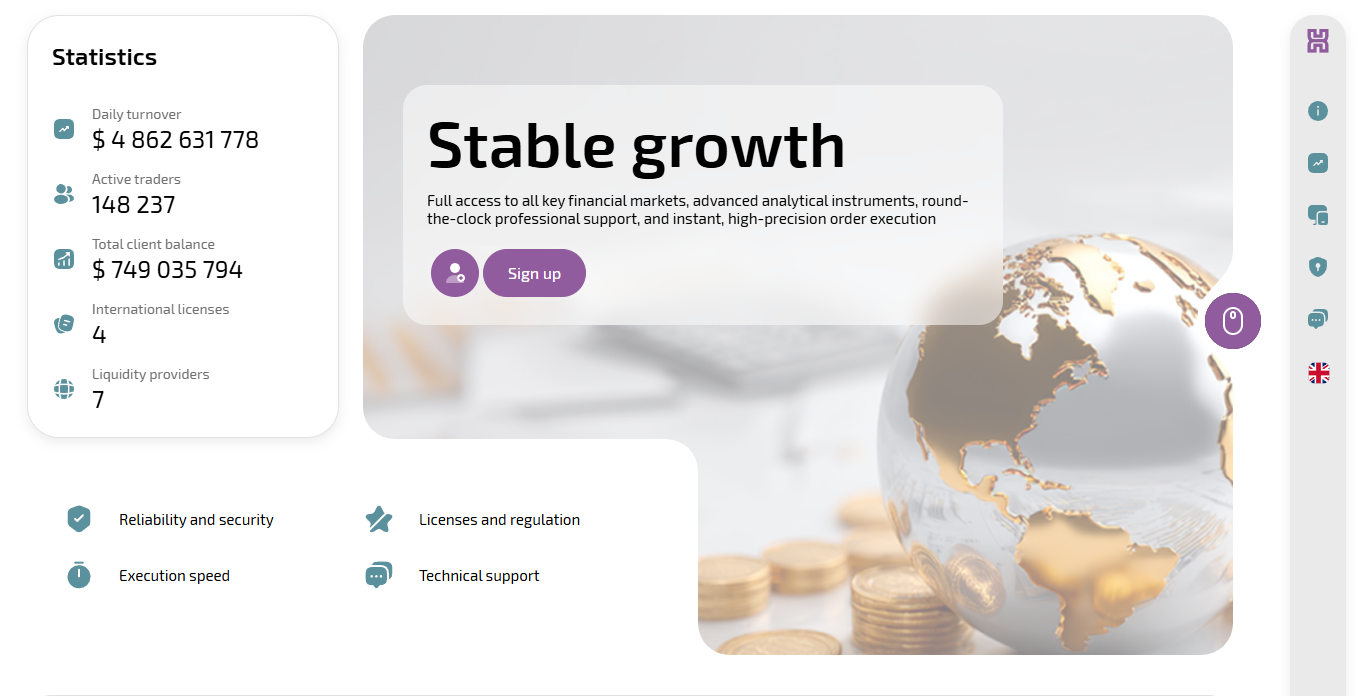
The broker claims to serve traders worldwide and highlights a large client base, significant trading volumes, and partnerships with financial institutions. Heyanyie also advertises advanced trading technology, fast execution, and access to professional tools designed for both beginner and experienced investors.

However, a detailed review of the available information reveals several areas that require further verification. Questions remain regarding the company’s legal status, regulatory authorization, website history, and transparency of operations.

This Heyanyie review examines the broker’s background, license claims, trading conditions, withdrawal policies, and customer feedback to determine whether the platform can be verified as a reliable financial service provider.

Company information and ownership

Heyanyie claims to operate as a global brokerage company with a registered presence in Argentina. The company lists an address connected with Maipú 701, Rosario, Santa Fe, Argentina.

However, publicly available information does not provide sufficient confirmation of a fully registered brokerage entity operating under the Heyanyie name. A legitimate financial company normally provides clear corporate details, including:

  • legal entity name;
  • registration number;
  • ownership structure;
  • executive information;
  • regulatory documentation;
  • official business records.

In the case of Heyanyie, information about the company’s owners and management team is limited. There is no clear explanation of who controls the platform or which legal entity is responsible for handling client funds.

The broker also claims to have been operating for several years, but available domain information appears inconsistent with this statement. According to domain analysis reports, the website activity does not fully match the company’s claimed history.

A lack of corporate transparency does not automatically prove illegal activity, but it represents a significant concern when evaluating an online broker that accepts client deposits.

License and regulation

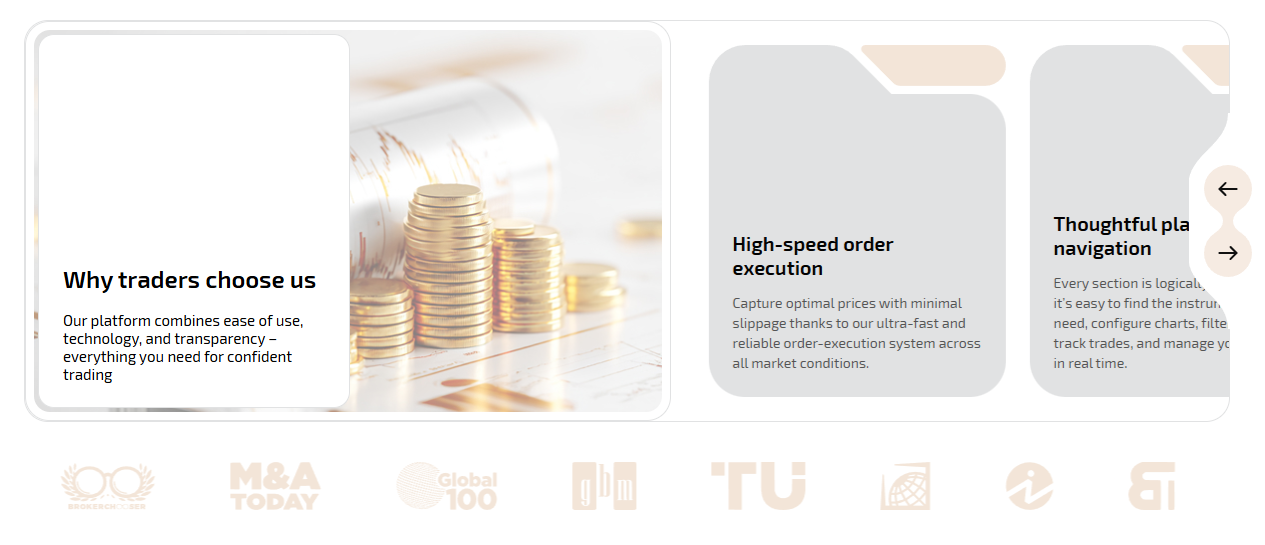
Regulation is one of the most important factors when assessing the reliability of a broker. Licensed financial companies are required to follow strict rules regarding client protection, financial reporting, risk management, and operational procedures.

Heyanyie claims to operate under international financial standards and references several major regulatory organizations, including:

  • Financial Conduct Authority (FCA);
  • Dubai Financial Services Authority (DFSA);
  • Commission de Surveillance du Secteur Financier (CSSF);
  • Vanuatu Financial Services Commission (VFSC).

However, these regulatory claims cannot be independently verified through official regulator databases.
A legitimate broker license should normally include:

  • a verifiable license number;
  • matching company details;
  • confirmation through the regulator’s official website;
  • information about permitted financial activities.

During the review process, no confirmed authorization was found proving that Heyanyie is licensed to provide brokerage services by the mentioned regulators.

The company also does not provide sufficient information about investor protection programs, client compensation schemes, or supervision by an independent financial authority.

Another important point is that brokers offering services to clients in certain jurisdictions may require additional authorization from local regulators. No evidence confirming such permissions has been identified.

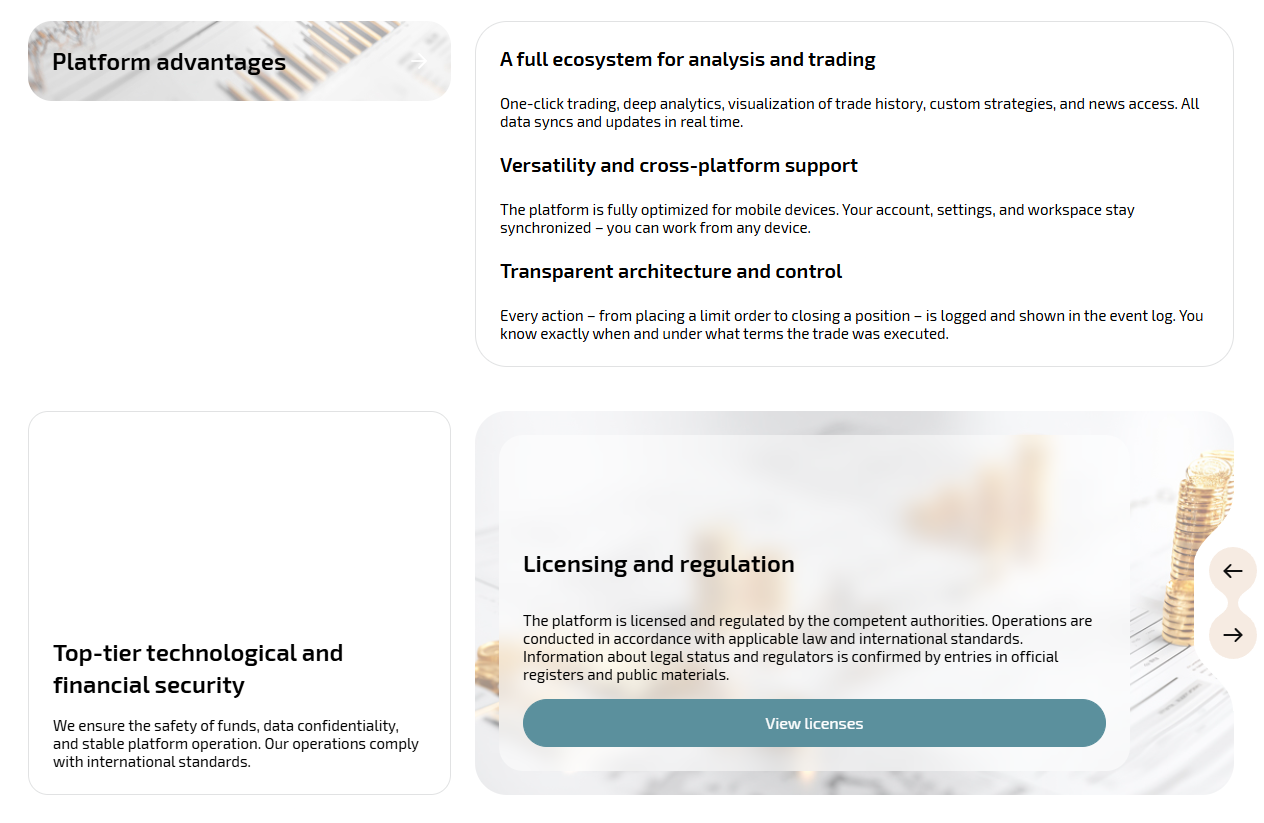
Based on the available information, Heyanyie cannot be verified as a regulated financial provider.

Website analysis

The official website associated with Heyanyie is heyanyie.com. Other related domains, including heya-nyie.co and heya-ny.ltd, have also been linked to the project.

At first glance, the website appears professionally designed and contains typical sections found on online brokerage platforms. The site presents information about trading services, account options, market access, and investment opportunities.

However, several technical and transparency issues raise concerns.

Domain analysis indicates that the online presence does not fully correspond with the company’s claimed operational history. Available records show that the domain was registered earlier but underwent changes, including ownership updates.

Additional warning signs include:

  • hidden WHOIS ownership information;
  • limited details about the company behind the website;
  • multiple similar domain names;
  • lack of verified corporate history.

Professional brokers usually maintain a transparent digital footprint, including verified company profiles, regulatory references, corporate announcements, and long-term website history.

The trading platform promoted by Heyanyie also requires attention. The broker refers to the MarketNode trading environment. The existence of a trading terminal alone does not confirm that a company operates as a legitimate broker. A regulated provider should also disclose information about technology partners, liquidity providers, execution systems, and security procedures.

Trading conditions

Heyanyie offers access to several financial markets, including:

  • forex currency pairs;
  • cryptocurrencies;
  • stocks;
  • commodities;
  • indices;
  • CFD instruments.

The broker advertises multiple account types designed for different levels of traders.

Available information suggests that the platform offers:

  • beginner accounts starting from approximately $150;
  • advanced accounts requiring around $5,000;
  • VIP accounts with deposits of approximately $25,000.

The broker also promotes leverage of up to 1:500.

High leverage is one of the most important risk factors in retail trading. While some offshore brokers provide high leverage levels, regulated jurisdictions often limit leverage because excessive exposure can lead to rapid account losses, especially among inexperienced traders.

Heyanyie also advertises additional services, including:

  • personal trading managers;
  • market signals;
  • educational webinars;
  • investment products;
  • cryptocurrency staking opportunities.

The company reportedly promotes staking returns of around 60% annually or higher. Such offers require careful evaluation because unusually high returns should always be supported by transparent explanations of risk, investment strategy, and asset management procedures.

Information about important trading details, including liquidity providers, spreads, execution quality, and commission structures, is limited. This makes it difficult to compare the broker’s conditions with those offered by established regulated companies.

Terms and withdrawal rules

A broker’s legal documents are an important indicator of how client relationships are managed. Reliable financial companies usually provide detailed agreements covering:

  • account registration;
  • KYC verification;
  • AML procedures;
  • withdrawal conditions;
  • dispute resolution;
  • client protection measures.

Heyanyie provides limited information regarding its legal framework and internal policies.

One of the main areas requiring attention is the withdrawal process. According to available reports, some users experienced difficulties when attempting to access their funds. Complaints mention additional payment requests, including possible fees, verification costs, or other requirements before withdrawals could be processed.
Such practices represent a significant risk because legitimate brokers normally explain all withdrawal requirements before accepting client deposits.

Another concern is the absence of detailed information about how client funds are stored, whether accounts are separated from company operating funds, and whether external audits are conducted.

Without clear documentation, clients have limited ability to evaluate how their deposits are protected.

Withdrawal problems and client complaints

Customer feedback is an important part of any broker investigation. Reviews associated with Heyanyie describe several recurring issues related to withdrawals and communication with representatives.

Common complaints include:

  • inability to withdraw funds;
  • requests for additional payments before withdrawal approval;
  • account restrictions after withdrawal attempts;
  • pressure to increase deposits;
  • aggressive communication from account managers.

Some reported cases describe a similar pattern:

  1. A client registers on the platform.
  2. Representatives contact the trader and encourage an initial deposit.
  3. The account appears to generate positive results.
  4. The client is encouraged to invest larger amounts.
  5. Withdrawal requests become difficult or delayed.
  6. Additional requirements are introduced.

Individual online complaints should always be reviewed carefully, as user experiences can vary. However, repeated reports describing similar withdrawal problems represent an important factor when assessing broker reliability.

A trustworthy financial company should provide a clear and predictable withdrawal process without unexpected conditions.

Warning signs

The following factors represent the main risk indicators identified during the Heyanyie review:

  • no independently verified brokerage license;
  • unclear company ownership structure;
  • limited legal information;
  • regulatory claims that cannot be confirmed;
  • inconsistent company history;
  • hidden domain ownership details;
  • use of multiple related websites;
  • extremely high leverage options;
  • unclear trading infrastructure;
  • limited information about client fund protection;
  • complaints regarding withdrawal difficulties;
  • aggressive investment promotion methods.

The presence of multiple warning signs does not by itself establish illegal activity. However, their combination indicates that potential clients should exercise caution and perform additional verification before depositing funds.

Final thoughts

The review of Heyanyie shows several areas that raise concerns regarding the broker’s transparency and regulatory status. Although the platform presents itself as an international trading provider with access to global financial markets, important elements of its operation remain difficult to verify.

The lack of confirmed licensing, limited ownership information, unclear corporate structure, and withdrawal-related complaints create uncertainty about the safety of using the platform.

Trading conditions such as high leverage and attractive investment opportunities may appear appealing, but they require careful evaluation when they are offered by a company without clearly confirmed regulation.

Based on the available information, Heyanyie demonstrates several characteristics commonly associated with high-risk brokerage platforms. Potential users should verify all regulatory claims through official sources and carefully review the company’s legal documentation before committing funds.

At this stage, Heyanyie cannot be fully verified as a regulated financial provider, and the available evidence suggests that traders should approach the platform with a high level of caution.
ABID Ltd Broker Review

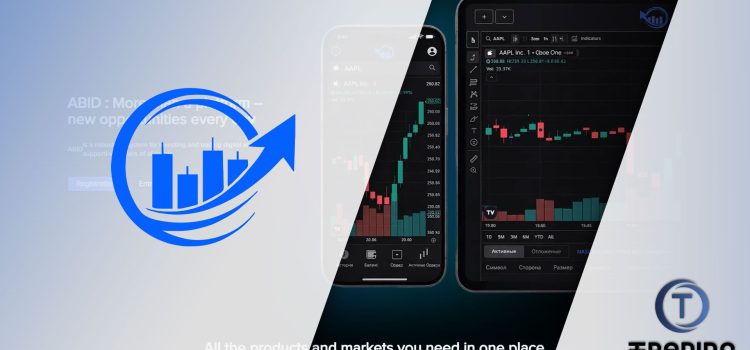
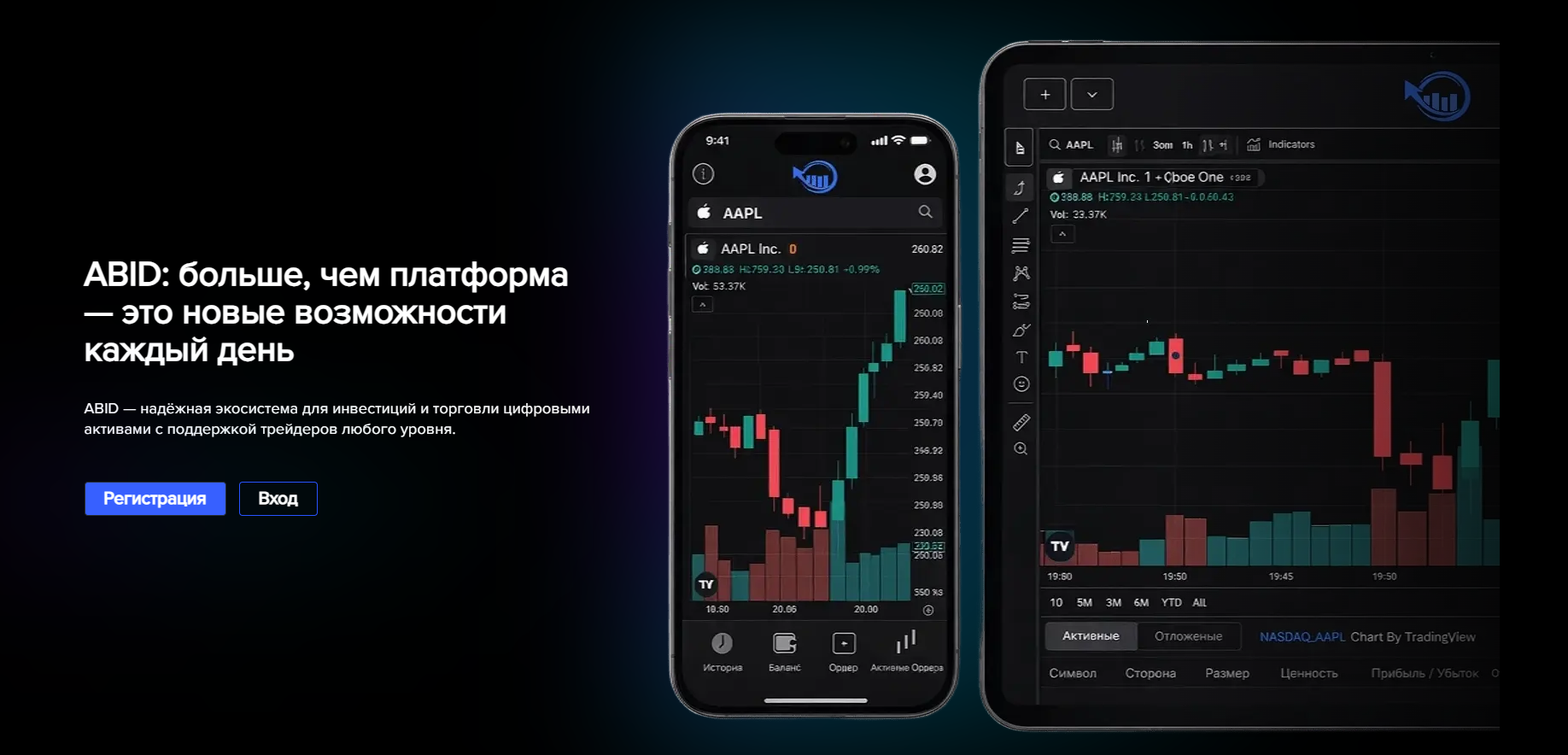
ABID Ltd presents itself as an international financial brokerage company offering access to multiple investment markets through the website globaladibmarkets.com. According to the information published by the platform, clients can trade various asset classes, including currencies, stocks, commodities, cryptocurrencies, indices, metals, bonds, and CFD instruments.

The company positions its services as suitable for both beginner and experienced traders, highlighting modern trading technology, fast order execution, access to global markets, and customer support. The broker also claims to provide opportunities related to Islamic financial standards and mentions access to exchanges in the UAE, Saudi Arabia, and the United States.

At first glance, the platform uses standard elements commonly associated with online brokers: a web-based trading terminal, mobile access, market instruments, and investment-related services. However, a detailed review of publicly available information raises questions regarding the company’s legal status, regulatory background, and overall transparency.

A key issue is that many important details typically provided by established financial providers are either unavailable or cannot be independently verified. This includes corporate ownership information, confirmed licensing details, complete trading conditions, and transparent withdrawal procedures.

For potential clients, these factors are important because a broker’s reliability depends not only on the appearance of its website but also on verifiable legal documentation, regulatory oversight, and clear operational rules.

Company information and ownership

ABID Ltd provides limited information about its corporate structure. The website states that the company operates as a global financial intermediary, but it does not provide sufficient details about the legal entity behind the platform.

Information that remains unclear includes:

  • the exact jurisdiction of registration;
  • official company registration number;
  • names of company directors or owners;
  • corporate history supported by documents;
  • details of the entity responsible for client agreements.

The broker claims to have been operating since 2014. However, publicly available information does not provide reliable evidence confirming this history. The domain associated with the platform appears to have been registered much later, which creates a discrepancy between the claimed operational period and the available online footprint.

Another issue relates to company addresses. ABID Ltd references addresses connected with offshore jurisdictions, including the British Virgin Islands and Saint Vincent and the Grenadines. However, these details do not provide sufficient confirmation of an actual operational office or regulated brokerage structure.

One address listed by the company corresponds to a real location, but available information does not confirm that it belongs to ABID Ltd or represents a functioning office of the broker.

There is also a company with the same name registered in the United Kingdom. However, this entity operates in a different business sector and cannot be linked to the brokerage platform based only on the identical name.

A legitimate financial company usually provides clear ownership details, registration documents, and information about the legal entity responsible for customer funds. The lack of such information makes it difficult to verify the corporate background of ABID Ltd.

License and regulation

Regulation is one of the most important factors when assessing an online broker. Licensed financial providers are generally required to meet specific standards regarding customer protection, reporting, capital requirements, and business conduct.

ABID Ltd claims a connection with the UAE Securities and Commodities Authority (SCA) and references license number 604041. However, verification of this information raises concerns because the mentioned license number appears to belong to another company, ADIB Securities.

The available information does not confirm that globaladibmarkets.com is operated by ADIB Securities or that the referenced authorization applies to ABID Ltd.

This distinction is important. A broker cannot rely only on mentioning another regulated company or license number. The regulated entity, website domain, legal agreements, and customer relationship must clearly match.

Additional checks indicate that the company does not provide a verifiable regulatory profile containing:

  • a confirmed regulator entry;
  • a legal entity name connected with the license;
  • official authorization documents;
  • information about investor protection mechanisms.

The absence of independently confirmed regulatory information means that ABID Ltd cannot currently be verified as a regulated financial provider.

This does not automatically prove unlawful activity, but it represents a significant transparency issue. Traders should be cautious when a broker provides financial services while its regulatory status remains unclear.

Website analysis

The official website of the project is globaladibmarkets.com. The resource is structured as a relatively simple landing page containing general information about services, financial products, and company positioning.

A technical review of the website reveals several points requiring attention.

The domain was registered on March 23, 2026. This indicates that the online presence of the platform is relatively new. At the same time, the company claims years of experience dating back to 2014, which does not correspond with the available domain history.

Other domain-related details include:

  • ownership information hidden through WHOIS privacy protection;
  • hosting infrastructure connected with Cloudflare;
  • no confirmed historical versions of the website available through public archives.

Using Cloudflare is common among both legitimate and less transparent websites, so this factor alone does not indicate a problem. However, when combined with missing ownership information and limited company history, it reduces the ability to independently evaluate the platform.

Another point is the limited amount of publicly available documentation. A well-established broker usually provides detailed information about its corporate structure, regulatory licenses, trading infrastructure, and client protection policies.

The absence of a significant online history also makes it difficult to confirm whether the platform has operated for the period claimed by the company.

Trading conditions

ABID Ltd advertises access to a broad selection of financial instruments. The available categories reportedly include:

  • forex markets;
  • cryptocurrencies;
  • stocks;
  • commodities;
  • indices;
  • metals;
  • CFD contracts.

However, the broker does not provide complete trading specifications before account registration.

Information that is not clearly disclosed includes:

  • available account types;
  • minimum deposit requirements;
  • leverage limits;
  • spreads;
  • trading commissions;
  • swap rates;
  • margin requirements;
  • stop-out levels.

This lack of information makes it difficult for potential clients to evaluate the actual cost of trading or compare the service with other brokers.

A transparent brokerage company normally publishes detailed trading conditions because these parameters directly affect client decisions. Traders should be able to understand potential fees and risks before opening an account and depositing funds.

ABID Ltd also promotes access to a proprietary trading terminal and mobile solutions. However, there is limited publicly available information regarding the technology behind the platform, liquidity providers, order execution model, or whether prices can be independently verified.

Without detailed technical information, clients have limited ability to assess how trades are executed and whether the platform operates according to standard industry practices.

Terms and withdrawal rules

The broker provides several standard legal documents, including privacy policies, risk disclosures, terms and conditions, and AML-related information.

However, the available documents contain mostly general descriptions and do not provide complete clarity regarding several important areas.

Missing details include:

  • dispute resolution procedures;
  • customer compensation mechanisms;
  • protection of client funds;
  • specific withdrawal requirements;
  • responsibilities of the legal entity providing services.

Withdrawal procedures are especially important for evaluating any financial platform. ABID Ltd does not publicly disclose complete information about:

  • supported payment methods;
  • processing times;
  • withdrawal fees;
  • transaction limits;
  • specific verification requirements.

The broker mentions KYC and AML procedures, which are common in the financial industry. However, customers should understand exactly how these procedures work before depositing funds.

Another area requiring attention is the possibility of additional payment requirements during withdrawal. In the online brokerage sector, demands to pay separate fees, taxes, insurance charges, or account activation costs before releasing funds are considered a significant risk indicator.

Legitimate brokers generally deduct applicable fees according to published conditions rather than requiring unexpected payments before processing withdrawals.

Withdrawal problems and client complaints

Public feedback about ABID Ltd is limited. The broker does not appear to have an established reputation on major independent review platforms, which may be partly related to the relatively recent appearance of the website.

At the same time, online discussions and reviews contain complaints from users who report difficulties associated with withdrawing funds.

The most common issues mentioned include:

  • delayed withdrawal processing;
  • additional payment requests;
  • problems completing account verification;
  • reduced communication after larger deposits;
  • pressure from representatives to increase investment amounts.

Some users describe situations where managers actively encouraged them to deposit additional funds by promising improved trading opportunities or higher potential returns.

There are also reports connected with cryptocurrency deposits. While digital asset payments are widely used in modern finance, they generally provide fewer opportunities for transaction reversals compared with traditional banking methods.

Customer complaints alone do not prove misconduct by a company. However, when combined with limited regulatory information and unclear withdrawal procedures, they represent additional factors that potential clients should carefully consider.

Warning signs

The review of ABID Ltd identifies several factors that require additional caution:

  • The regulatory status of the broker cannot be independently verified.
  • The mentioned license information appears connected with another company.
  • The company’s claimed history does not match available domain information.
  • The website domain was registered recently.
  • Ownership details are hidden.
  • Legal information about company structure is limited.
  • Office addresses cannot be fully confirmed as belonging to the broker.
  • Trading conditions are not transparently disclosed.
  • Withdrawal procedures lack important details.
  • Online complaints mention difficulties with account withdrawals and additional payment requests.

Each point should be evaluated separately. However, together these factors indicate a higher level of uncertainty compared with established regulated brokers.

Final thoughts

ABID Ltd presents itself as a global brokerage platform offering access to multiple financial markets. The company uses a familiar structure and promotes services commonly associated with online trading providers.

However, a review of available information highlights several unresolved issues related to regulation, ownership transparency, website history, and trading conditions.

The broker’s claimed license cannot be clearly linked to the platform, corporate information remains limited, and important details about fees, accounts, and withdrawals are not fully disclosed.

Based on the available evidence, ABID Ltd shows signs of a high-risk broker that requires additional verification before any financial commitment is made. Potential clients should carefully review legal documents, confirm regulatory authorization, and verify how funds are stored and withdrawn.

Until the company provides clearer evidence of regulation and operational transparency, cooperation with the platform should be approached with caution.
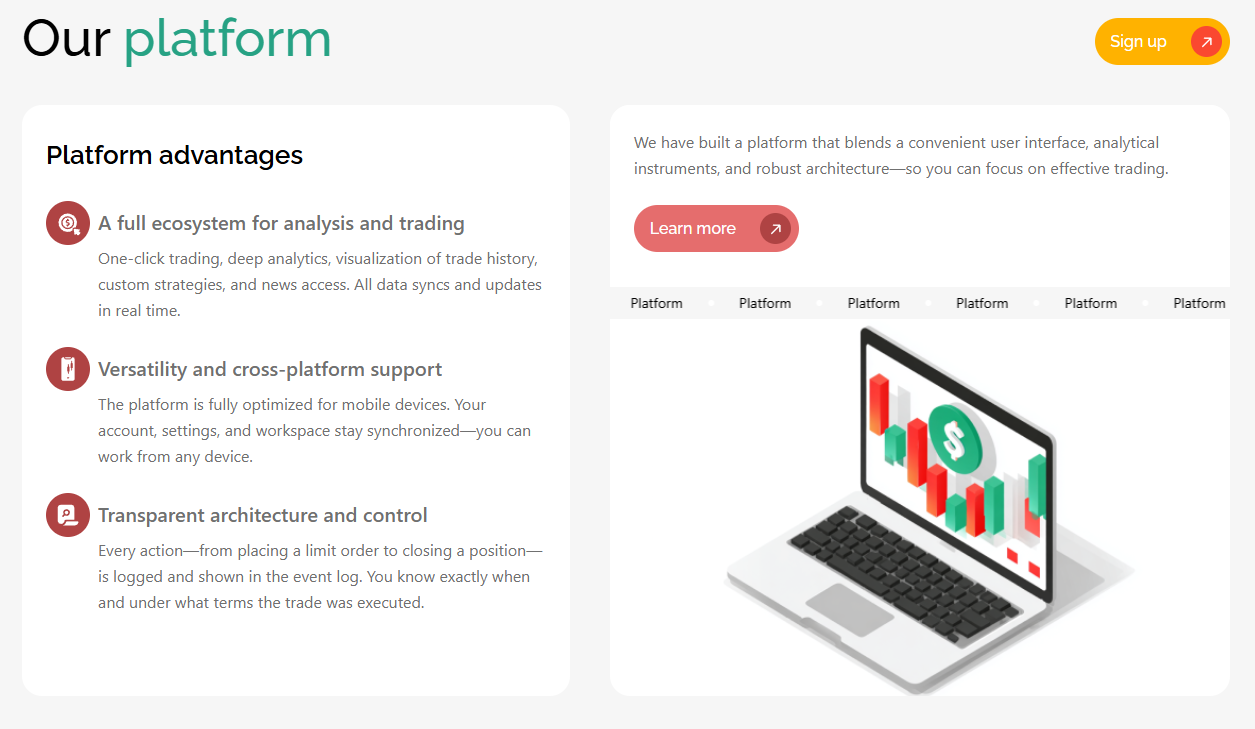
Zequipco Broker Review

Zequipco presents itself as an international online trading provider offering access to multiple financial markets through a digital trading platform. According to the information published on its website, the broker provides access to Forex currency pairs, cryptocurrencies, stocks, indices, commodities, and precious metals.

The company promotes itself as a platform designed for both beginner and experienced traders. It highlights a wide range of trading instruments, modern technology, fast execution, and access to global markets. The broker also claims to provide a proprietary trading environment available through a web-based terminal and mobile solutions.

At first glance, the platform appears structured similarly to many established online brokers. The website contains information about trading opportunities, account options, and regulatory claims intended to create confidence among potential clients.

However, a closer review of the available information reveals several areas that require additional verification. The main concerns relate to the company’s legal identity, regulatory status, website transparency, and withdrawal conditions reported by some users.

Before considering any financial provider, traders should verify whether the company is officially registered, authorized by a recognized regulator, and operating under clear legal requirements.

Company information and ownership

Zequipco states that it operates under the name Zequipco Limited Company and indicates a registered address in Argentina:

Blvd. Pres. Dr. Arturo U. Illia 198, X5000ASO Cordoba, Argentina.

However, publicly available information does not provide sufficient evidence confirming the existence of an active financial company operating from this location. The ownership structure, company directors, and corporate background are not clearly disclosed.

For a financial services provider, transparency regarding ownership and legal structure is an important factor. Regulated brokers usually publish detailed corporate information, including registration numbers, licensing details, responsible entities, and official contact information.

In the case of Zequipco, there is limited information available regarding the individuals or organizations behind the platform. The absence of verifiable ownership details makes it difficult to assess who is responsible for providing financial services and handling client funds.

The company also claims to serve international clients, but there is no clear explanation regarding which jurisdictions it operates in or which legal framework governs its activities.

A lack of transparency does not automatically prove wrongdoing, but it represents a significant factor that traders should consider when evaluating the reliability of a broker.

License and regulation

One of the most important aspects of broker verification is confirming whether the company holds valid authorization from recognized financial regulators.

Zequipco claims to be regulated by several international authorities, including:

  • Financial Conduct Authority (FCA) in the United Kingdom;
  • Dubai Financial Services Authority (DFSA);
  • Commission de Surveillance du Secteur Financier (CSSF) in Luxembourg;
  • Vanuatu Financial Services Commission (VFSC).

However, these regulatory claims could not be independently verified through official regulator databases.

During the review process, concerns were identified regarding the links provided as evidence of licensing. Instead of directing users to official regulator websites, some references appear to lead to alternative domains that imitate official pages.

A legitimate broker license should always be independently confirmed through the official website of the relevant regulatory authority. Traders should not rely only on information displayed on a broker’s own website.

Additionally, there is no publicly available evidence confirming that Zequipco holds authorization to provide investment services in major financial jurisdictions.

The lack of verifiable licensing information means the broker cannot currently be confirmed as a regulated financial provider. This creates additional uncertainty regarding client protection measures, dispute resolution procedures, and oversight of company operations.

Website analysis

The official website of the broker operates under the domain zequipco.com. The platform also uses a separate domain, zequi-po.pro, which appears to be connected with account access and trading functionality.

A domain history check shows that the main domain has existed for several years. However, domain registration age alone does not prove the operational history of a financial company. Older domains can sometimes be reused or repurposed for new projects.

Available website information suggests that the current trading operation became active much later than the original domain registration date. This difference between domain age and business activity may create an inaccurate impression of long-term market experience.

Another point requiring attention is the use of multiple domains. Established financial companies usually maintain a clear and consistent online infrastructure. The use of separate websites for marketing materials, client access, and trading terminals can make verification more difficult.

The website also provides limited information about company management, infrastructure providers, and operational history. These elements are normally expected from brokers that handle client deposits and provide financial services.

Overall, the website creates the appearance of a professional trading platform, but several technical and transparency-related aspects require further confirmation.

Trading conditions

Zequipco advertises access to a broad selection of financial instruments, including:

  • Forex currency pairs;
  • cryptocurrencies;
  • stocks;
  • market indices;
  • commodities;
  • precious metals.

The broker provides trading through CFD contracts. CFDs allow traders to speculate on price movements without owning the underlying asset. While CFDs are widely used in financial markets, they also involve significant risks due to leverage and market volatility.

The platform claims to offer leverage of up to 1:500. Such leverage levels are considerably higher than restrictions applied by many regulated jurisdictions for retail traders. For example, European regulators typically impose much lower leverage limits to reduce client exposure.

The minimum deposit reportedly starts from $100, making the service accessible to beginners. However, the availability of low entry requirements does not necessarily indicate reliability, especially when combined with limited regulatory transparency.

The broker presents its own trading platform rather than widely recognized third-party solutions. A proprietary platform is not automatically a problem, but traders should consider whether the system has independent verification, technical documentation, and a proven operational history.

Information regarding spreads, commissions, and execution conditions is also limited. Some available reviews mention wide spreads on major currency pairs, which may affect trading costs.

Before opening an account, clients should carefully review all available trading conditions and compare them with established regulated providers.

Terms and withdrawal rules

Withdrawal policies are one of the most important areas when assessing an online broker.

Zequipco states that clients can deposit and withdraw funds through several payment methods, including bank cards, electronic payment systems, and cryptocurrencies. However, user reports indicate that actual payment options may differ depending on account access and region.

The broker requires customers to complete identity verification procedures, including providing personal documents and payment information. KYC and AML checks are standard practices in the financial industry and are required by legitimate brokers.

However, concerns may arise if verification procedures are used as a reason for prolonged delays or restrictions on withdrawals.

The company’s user agreement reportedly includes clauses allowing it to delay or restrict transactions under certain circumstances. Some sections also mention possible additional requirements related to trading activity or account conditions.

Traders should pay close attention to withdrawal rules before depositing funds. Conditions involving additional payments, unclear requirements, or broad company discretion may create unnecessary risks for clients.

A transparent broker should clearly explain withdrawal processing times, applicable fees, verification requirements, and situations where transactions may be restricted.

Withdrawal problems and client complaints

Online feedback related to Zequipco includes complaints from users who report difficulties accessing funds and completing withdrawals.

Some clients claim that after requesting withdrawals they were asked to provide additional payments described as taxes, commissions, or other charges. Other reviews mention account restrictions and communication difficulties after withdrawal requests were submitted.

Patterns reported by some users include:

  • delays in processing withdrawal requests;
  • requests for additional payments before funds can be released;
  • increased pressure from account representatives to make additional deposits;
  • reduced communication after clients request withdrawals.

Individual reviews cannot independently confirm the overall operation of a broker. However, repeated complaints with similar descriptions should be considered when evaluating potential risks.

A reliable financial provider should have a transparent withdrawal process, accessible customer support, and clear procedures for resolving disputes.

Warning signs

Several factors identified during the review indicate areas of concern that potential clients should carefully evaluate:

  • lack of independently verified regulatory authorization;
  • unclear ownership and corporate structure;
  • limited information about company management;
  • inability to confirm claimed licenses through official regulator databases;
  • use of multiple domains connected with the platform;
  • significant difference between domain history and claimed operational experience;
  • unusually high leverage levels;
  • limited transparency regarding trading conditions;
  • complaints regarding withdrawal difficulties;
  • unclear requirements related to additional payments or account restrictions.

These points do not represent a definitive conclusion about the company’s intentions, but together they indicate that additional caution is necessary before committing funds.

Final thoughts

The review of Zequipco highlights several areas that require careful consideration. While the broker presents itself as an international trading platform offering access to multiple markets, important aspects of its operation remain difficult to verify.

The main concerns relate to regulatory status, ownership transparency, licensing claims, and reported withdrawal issues. A financial company handling client funds should provide clear evidence of registration, valid authorization, and transparent operating procedures.

At this stage, Zequipco cannot be independently confirmed as a regulated financial provider. Potential clients should carefully verify all available information, review legal documentation, and consider the risks associated with using a platform that lacks clear regulatory confirmation.

Choosing a broker with verified licensing, transparent ownership, and established oversight remains one of the most important steps in protecting trading capital.

TS Xone Plus Broker Review

TS Xone Plus presents itself as an online investment and trading platform focused on financial markets, digital technologies, and investment solutions. The project promotes access to trading instruments, analytical materials, and a web-based terminal designed for users who want to manage investments through an online account.

According to the information available on the platform, the company targets both retail and institutional clients. The website highlights technologies such as artificial intelligence, blockchain solutions, and financial analytics, creating the image of a modern fintech investment service.

The platform claims to provide access to various financial markets, including commodities and precious metals. The listed assets include crude oil, natural gas, agricultural commodities such as wheat, soybeans and cotton, as well as metals including gold, silver, platinum, and palladium.

However, a significant amount of information about the service becomes available only after registration. Public sections of the website provide limited details about the actual trading environment, investment mechanisms, and operational structure. This makes it difficult for potential clients to fully evaluate the service before creating an account.

The company also promotes investment plans with predefined returns. According to available information, users may receive fixed profits depending on the selected investment period. Such an approach differs from traditional brokerage models, where results depend on market performance, trading strategies, and associated risks.

Company information and ownership

Transparency of ownership and corporate structure is one of the important factors when evaluating a financial service provider. In the case of TS Xone Plus, publicly available information about the company behind the platform is limited.

The project claims to operate from the United States and mentions a presence in several locations, including Florida, New York, Chicago, Texas, London, Sydney, and Costa Rica. However, the website does not provide detailed corporate information confirming these statements.

There is no clearly presented information about:

  • the legal entity responsible for the platform;
  • company founders or management team;
  • official business registration details;
  • physical office addresses;
  • corporate history.

Some documents displayed on the platform refer to company registration-related information. For example, a Certificate of Fact of Good Standing may confirm that a company exists in a particular jurisdiction and maintains an active registration status. However, such a document does not prove that the company has authorization to provide brokerage or investment services.

The lack of detailed ownership information creates uncertainty regarding the actual operator of the platform. For a financial company handling client funds, transparent corporate disclosure is generally considered an important element of credibility.

License and regulation

Regulatory authorization is one of the most important aspects of any broker review. Licensed financial companies are usually required to provide verifiable registration numbers and appear in official databases of relevant authorities.

TS Xone Plus claims that its operations comply with requirements of US regulators. However, available information does not confirm that the platform holds a brokerage license from recognized financial authorities.

The website references several documents, including:

  • Certificate of Fact of Good Standing;
  • FinCEN MSB registration information;
  • share certificate documentation.

A FinCEN MSB registration, even if valid, does not represent a brokerage license. Money Services Business registration is typically associated with certain payment-related activities, money transfers, or currency exchange services. It does not provide the same level of regulatory oversight as authorization from organizations such as the US Securities and Exchange Commission (SEC), Commodity Futures Trading Commission (CFTC), or comparable financial regulators.

A review of publicly available regulatory information did not confirm that TS Xone Plus operates as a registered broker under major US financial authorities. Searches through relevant databases did not provide evidence of authorization for offering brokerage services.

The absence of verifiable regulatory status does not automatically prove illegal activity, but it raises concerns regarding the level of investor protection available to clients.

Website analysis

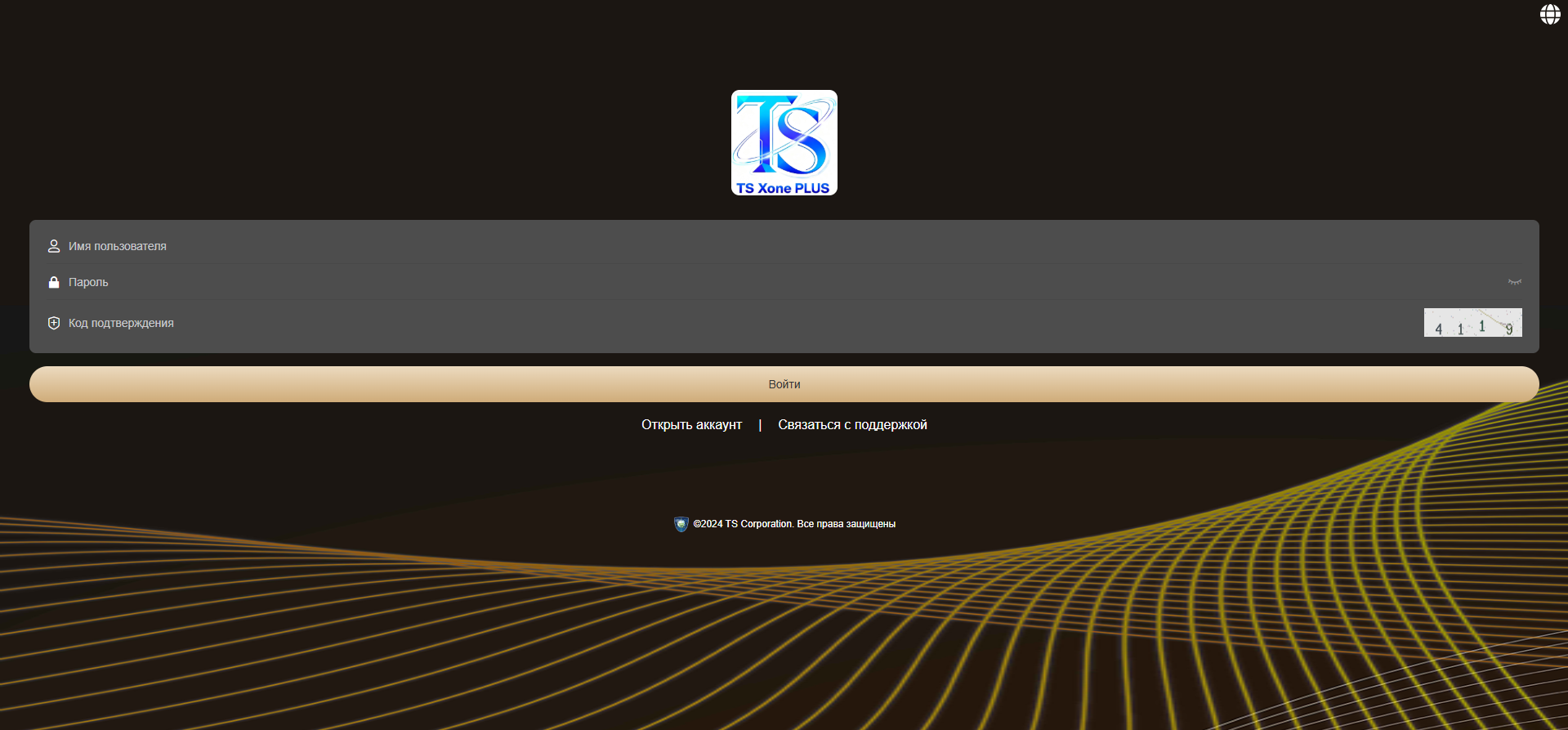
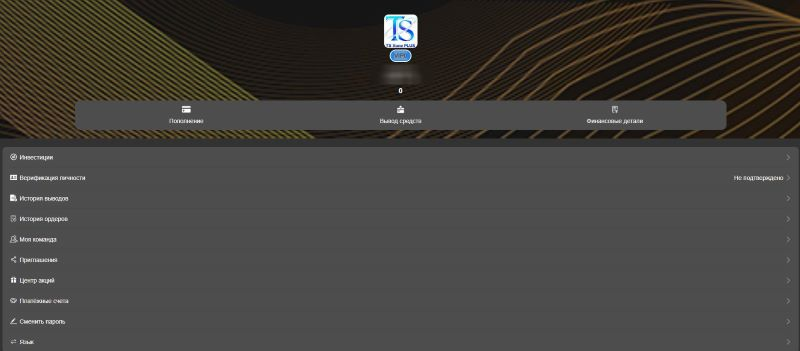
The official website of TS Xone Plus operates through the domain tsxone.com. The structure of the website is relatively limited, with many functions available only after account registration.

Domain analysis shows several factors that require additional attention.

The domain was registered on December 12, 2025, meaning the website has a relatively short online history. For a company presenting itself as an international financial platform, a limited operating history makes independent verification more difficult.

Additional technical details include:

  • WHOIS ownership information is hidden through privacy protection;
  • the domain uses Cloudflare infrastructure;
  • the registrar is Gname.com Pte. Ltd.

Privacy protection for domain ownership is common across many industries, including legitimate businesses. However, when combined with limited corporate information and a lack of regulatory confirmation, hidden ownership details become an additional factor requiring caution.

Another point worth noting is the existence of alternative domain references connected with the project, including tsxone.vip. Multiple domains associated with one financial brand can create additional difficulties when verifying the official structure and ownership of the service.

The website also displays information suggesting a longer company history, but available domain records do not fully support these claims. This creates a discrepancy between public presentation and independently verifiable technical data.

Trading conditions

Information about the trading conditions offered by TS Xone Plus is limited. The website does not clearly disclose many standard broker parameters that clients usually review before opening an account.

Publicly available information does not specify:

  • account types;
  • minimum deposit requirements;
  • spreads;
  • leverage levels;
  • commission structure;
  • trading platform details;
  • order execution conditions.

The company promotes access to commodities and precious metals, but does not provide detailed explanations of how trading operations are performed or which external platforms are used.

Instead of traditional trading account specifications, the platform emphasizes investment plans with predetermined returns. Available information mentions several options:

  • a 15-day plan with a stated return of 10%;
  • a 30-day plan with a potential return of up to 25%;
  • a 90-day plan with a stated return of up to 95%.

The platform also mentions additional earning opportunities through a referral system, where income depends on attracting new participants.

Fixed profitability claims are not typical for regulated brokerage services because financial markets involve uncertainty and losses are possible. Investment providers usually explain risks, market exposure, and potential volatility rather than presenting predictable returns.

The presence of these features does not by itself establish misconduct, but it represents a significant difference from conventional brokerage models and should be carefully evaluated.

Terms and withdrawal rules

A professional financial platform normally provides detailed legal documents explaining how client relationships are managed. These documents usually include user agreements, privacy policies, risk disclosures, AML procedures, and withdrawal conditions.

In the case of TS Xone Plus, publicly accessible legal documentation appears limited.

Important information that is not clearly available includes:

  • detailed KYC procedures;
  • AML compliance rules;
  • dispute resolution mechanisms;
  • client fund protection policies;
  • withdrawal approval procedures.

According to available information, deposits and withdrawals are conducted through cryptocurrency transactions, including:

  • USDT TRC-20;
  • USDT ERC-20.

The minimum deposit is reportedly 10 USDT, while withdrawal limits are stated between 1,000 USDT and 500,000 USDT. A withdrawal commission of 8% is also mentioned.

However, the platform does not clearly explain processing times, possible verification requirements, or circumstances under which withdrawals may be delayed.

The absence of transparent withdrawal procedures can create uncertainty for users, especially when cryptocurrency payments are involved because such transactions are generally irreversible.

Withdrawal problems and client complaints

Independent user feedback about TS Xone Plus is limited. There is currently no large database of verified customer experiences that would allow a detailed assessment of long-term platform performance.

Available discussions and reviews raise questions about several areas commonly associated with high-risk investment platforms, including:

  • difficulties confirming successful withdrawals;
  • unclear communication regarding payment procedures;
  • limited public interaction with customer support;
  • pressure to increase deposits or participate in additional programs.

It is important to distinguish between verified complaints and general risk indicators. A limited number of public reviews does not automatically confirm problems with withdrawals, but it also means there is insufficient independent evidence demonstrating consistent payout reliability.

The lack of established reputation makes it harder for potential users to evaluate how the company handles disputes, account restrictions, or withdrawal requests.

Warning signs

Several factors identified during the review require additional attention:

  • No confirmed brokerage license from recognized financial regulators.
  • Limited information about company ownership and management.
  • Lack of transparent corporate structure.
  • Young domain age and limited website history.
  • Hidden WHOIS ownership information.
  • Absence of detailed trading conditions before registration.
  • Investment plans with predefined returns.
  • Referral-based income structure.
  • Limited independent client feedback.
  • Cryptocurrency-only payment methods.

These points do not independently prove fraudulent activity, but together they indicate that the platform has characteristics often associated with high-risk financial services.

Final thoughts

The review of TS Xone Plus shows that the platform presents itself as a modern investment and trading service but provides limited verifiable information about its regulatory status, ownership structure, and operational model.

The main concerns relate to the absence of confirmed brokerage authorization, lack of transparent company details, limited legal documentation, and investment conditions that differ from those typically offered by regulated brokers.

At the same time, there is not enough publicly available evidence to make definitive conclusions about the company’s operations. However, the current level of transparency does not allow TS Xone Plus to be verified as a regulated financial provider.

Potential clients should carefully review all available documentation, confirm regulatory information through official databases, and consider the risks associated with using a platform that lacks clear oversight and an established public track record.

Golden Connect Review

Golden Connect is an online platform that presents itself as an advertising ecosystem where users can promote their projects while earning income through the internal MONAR system, referral rewards, and the GCT token.

According to the official website, participants can purchase advertising lots ranging from $50 to $1,000, receive internal tokens, use AI-powered advertising tools, and build a multi-level referral network. The project operates through golden-connect.top and its Telegram Mini App.

Although Golden Connect describes itself as an advertising platform rather than an investment company, much of its marketing focuses on earning opportunities, passive income, and the possibility of receiving up to 200% of the original contribution.

Company Information

Public information about the company is extremely limited.

According to the available data:

  • Website: golden-connect.top
  • Launch year: 2026
  • Headquarters: Not disclosed
  • Company owner: Not disclosed
  • Financial license: Not available
  • Phone number: Not provided
  • Support email: Not published

The absence of legal documentation, company registration details, and regulatory oversight makes it difficult to verify who operates the platform.

How Does Golden Connect Work?

The project is built around the MONAR system.

Users purchase advertising lots starting from $50, after which the platform creates business positions and so-called technical clones. As new members join, payments are distributed throughout the system until each lot supposedly reaches 200% of its original value.

The platform also includes:

  • internal GCT token rewards;
  • weekly maintenance fees;
  • automatic reinvestment;
  • referral commissions up to 14 levels;
  • internal pools and reward funds.

Instead of generating revenue through an identifiable external business model, most financial activity appears to come from funds contributed by new participants entering the system.

GCT Token

Golden Connect issues its own internal token called GCT.

Users receive approximately 10 GCT for every $1 deposited, while additional tokens are awarded for completing platform activities such as registration, email verification, and profile completion.

The token can supposedly be used for:

  • advertising payments;
  • internal services;
  • exchange for USDT through the platform’s P2P marketplace.

However, GCT is not listed on major cryptocurrency exchanges, and there is no publicly available information about liquidity, independent pricing, market capitalization, or external demand.

Its value depends almost entirely on the Golden Connect ecosystem.

Referral Program

A major part of the platform revolves around its 14-level affiliate program.

Referral commissions include:

  • Level 1 – 4%
  • Level 2 – 3%
  • Level 3 – 2%
  • Level 4 – 1%
  • Levels 5-14 – 0.5% each

The strong emphasis on recruiting new participants rather than selling advertising services raises concerns about the sustainability of the overall business model.

Deposits and Withdrawals

Golden Connect primarily accepts deposits in USDT (BEP-20).

Withdrawals are processed manually and are subject to minimum withdrawal limits and platform fees. Some users have also reported additional verification requirements or extra charges before receiving payouts, although these reports cannot be independently verified.

Since cryptocurrency transactions are irreversible, users should exercise caution before transferring funds.

Red Flags

Several aspects of Golden Connect may concern potential users:

  • no financial regulation;
  • anonymous ownership;
  • no legal company information;
  • promises of up to 200% returns;
  • strong dependence on recruiting new members;
  • multi-level referral structure;
  • internal token without an external market;
  • automatic reinvestment mechanisms;
  • manual withdrawal process;
  • limited operational transparency.

While these factors do not automatically prove fraudulent activity, they are commonly associated with high-risk MLM and pyramid-style investment programs.

User Reviews

Because Golden Connect launched recently, there are relatively few independent reviews online.

Most positive feedback comes from official Telegram communities and promotional channels connected to the project itself. Independent reviewers generally point to the lack of transparency, unclear revenue sources, and reliance on continuous member growth as significant risk factors.

Final Verdict

Golden Connect combines advertising tools, an internal token, referral marketing, and the MONAR reward system into one platform. Despite its presentation as an advertising ecosystem, the project’s compensation model appears to rely heavily on new participant contributions and network expansion.

The absence of licensing, legal transparency, independently verified revenue sources, and publicly accountable management increases the overall investment risk.

Anyone considering joining Golden Connect should carefully evaluate the business model, verify all available information, and understand that participation in projects promising unusually high returns may involve a significant risk of financial loss.

Safevault Review

The cryptocurrency industry continues to attract new investors, but it also sees the launch of platforms that promise high returns without providing enough transparency. Safevault is one such project. The company presents itself as an international investment platform offering cryptocurrency trading, fixed-income investment plans, and access to multiple financial markets.

At first glance, the website appears professional and claims years of experience. However, a closer examination reveals several inconsistencies regarding the company’s history, licensing, and legal information. Combined with numerous user complaints about withdrawal issues, these factors raise serious concerns.

What Is Safevault?

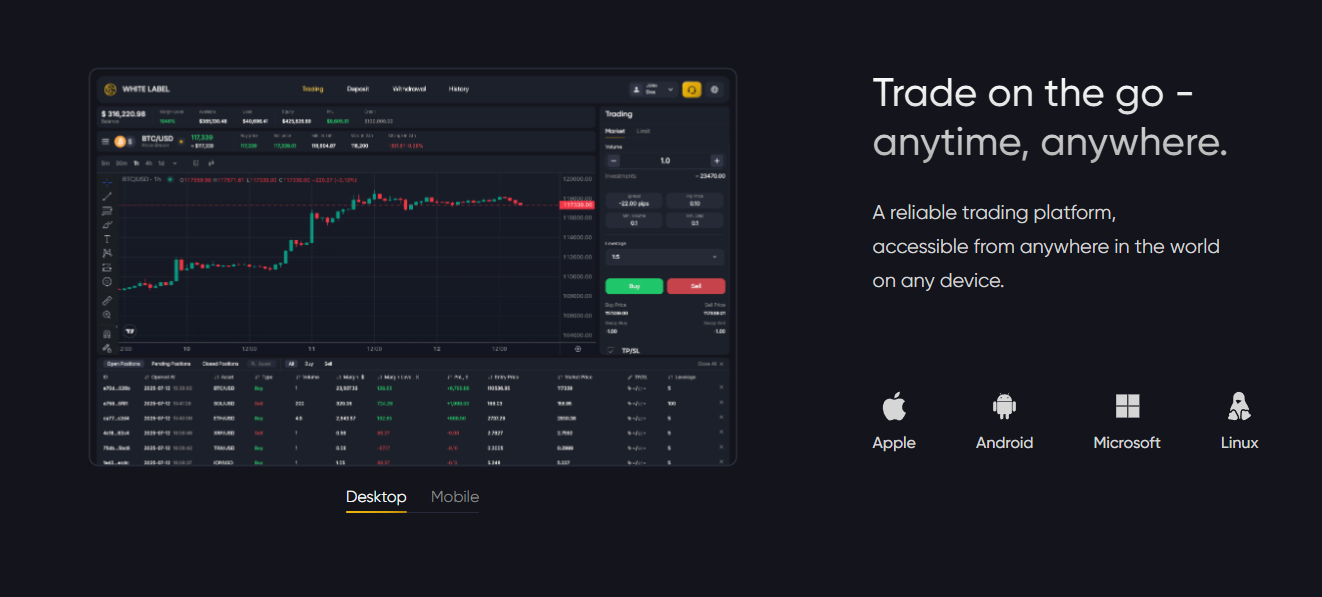
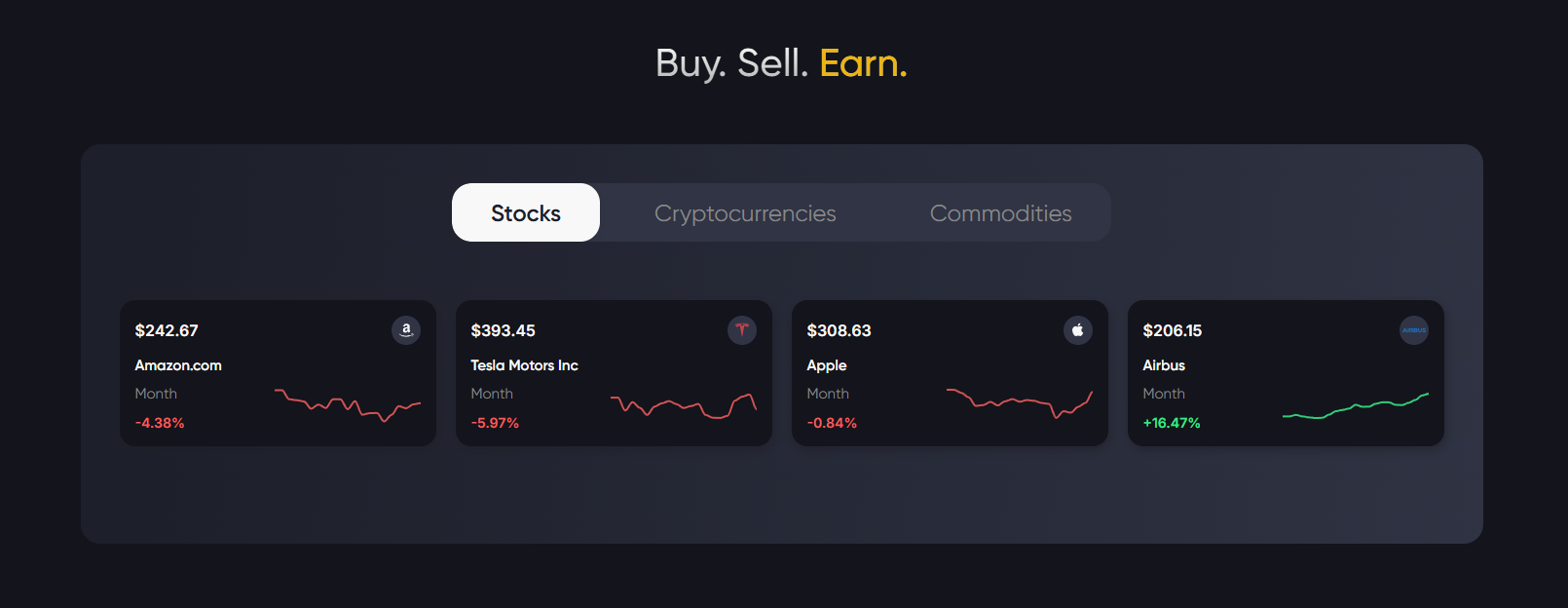
Safevault claims to provide a wide range of financial services, including:

  • Cryptocurrency trading;
  • Investment programs with fixed daily returns;
  • Access to stocks, indices, commodities, and Forex;
  • Crypto exchange services;
  • Web3 wallet connectivity.

The platform supports popular cryptocurrencies such as Bitcoin (BTC), Ethereum (ETH), USDT, Litecoin (LTC), and Dogecoin (DOGE).

According to the website, the company has a long history dating back to 1919, entered the financial market in 2014, and expanded into the Russian market in 2021. However, no official documents are provided to verify these claims.

Company Background Raises Questions

One of the first steps when evaluating any investment platform is checking its corporate history.

Although Safevault presents itself as an established financial company, public domain records indicate that the safevault.cc domain was registered only in April 2026. This directly contradicts the platform’s claims of operating for many years.

Legitimate financial institutions usually provide evidence supporting their history, such as:

  • company registration certificates;
  • financial licenses;
  • archived versions of their website;
  • corporate records;
  • independent media coverage.

Safevault does not publish this information, making it impossible to verify its stated background.

Is Safevault Regulated?

Regulation is one of the most important indicators of a trustworthy financial platform.

After reviewing the available information, Safevault does not provide evidence of being licensed by recognized financial regulators. The website also lacks:

  • company registration number;
  • legal entity details;
  • regulatory authority information;
  • links to official license databases;
  • corporate documentation.

Without regulatory oversight, users may have limited legal protection if disputes arise.

Investment Plans

Safevault promotes investment packages that promise 1% daily profit with terms ranging from 1 to 90 days.

The minimum investment is $1,000, while longer plans allegedly include additional bonuses between 1.5% and 5%.

Such promises deserve careful scrutiny. A guaranteed return of 1% every day would exceed 365% annually, which is far above the performance of legitimate investment products. Furthermore, the company does not explain:

  • how profits are generated;
  • what investment strategy is used;
  • how risks are managed;
  • whether any independent audits exist.

High guaranteed returns without transparent business operations are commonly associated with high-risk investment schemes.

Deposits and Withdrawals

Safevault accepts cryptocurrency payments and claims to process withdrawals quickly. However, the platform provides very little information regarding:

  • withdrawal limits;
  • transaction fees;
  • processing rules;
  • payment conditions.

Numerous online reviews also report withdrawal problems. According to affected users, after requesting a withdrawal they were allegedly asked to pay additional charges such as:

  • taxes;
  • insurance fees;
  • license activation fees;
  • verification costs;
  • service commissions.

In many cases, users claim that even after making these payments, withdrawals were still not completed.

User Reviews

Independent reviews of Safevault are predominantly negative. The most common complaints include:

  • inability to withdraw funds;
  • repeated requests for additional payments;
  • poor customer support;
  • blocked accounts;
  • aggressive communication from account managers.

Although individual reviews should always be treated with caution, recurring complaints following similar patterns may indicate systemic issues.

Red Flags

Several warning signs stand out during the review:

  • The domain was registered only in 2026 despite claims of operating since 2014.
  • No verified financial license is disclosed.
  • Corporate ownership remains unclear.
  • No official registration documents are published.
  • Investment plans promise unrealistically high fixed returns.
  • Withdrawal conditions lack transparency.
  • Many users report difficulties recovering their funds.

Final Verdict

Safevault presents itself as an international cryptocurrency investment platform, but several aspects of its operation raise legitimate concerns. The lack of regulatory transparency, inconsistencies regarding the company’s history, unrealistic investment promises, and numerous withdrawal complaints make the platform difficult to consider trustworthy.

Anyone considering investing through Safevault should perform extensive due diligence, verify all available legal information, and avoid transferring significant funds until the company’s regulatory status and operational legitimacy can be independently confirmed.

Emgtarim Review

Choosing a reliable broker is one of the most important decisions for any trader. While many companies promise secure trading, professional support, and high returns, not all of them provide sufficient evidence to support these claims. Emgtarim is one such broker that deserves a closer look.

The company presents itself as an international trading platform offering access to Forex, cryptocurrencies, stocks, commodities, metals, and indices. It also claims to have operated since 2018 and to comply with international regulatory standards. However, a detailed review reveals several red flags that potential investors should carefully consider.

Company Overview

According to its official website, Emgtarim provides trading through its own platform and offers several account types designed for beginners and experienced traders alike.

The broker lists the following contact details:

  • Website: emgtarim.com
  • Additional domain: emg-tarim.pro
  • Email: [email protected]
  • Claimed office: Sta Rosa 399, Córdoba, Argentina

The company states that it has been operating since 2018, although no official corporate documents or historical records are provided to verify this claim.

Domain History Raises Questions

One of the first things worth checking is the broker’s domain registration.

Although Emgtarim claims several years of experience, publicly available WHOIS records indicate that the current domain ownership changed in May 2026. This creates a noticeable inconsistency between the company’s advertised history and the available technical data.

Legitimate financial companies usually provide clear evidence of their operating history through archived announcements, regulatory filings, or corporate documentation. Emgtarim offers none of these, making its claimed track record difficult to verify.

Regulation and Licensing

Emgtarim states that it operates under the supervision of multiple financial regulators, including FCA, DFSA, CSSF, and VFSC. Some sources even mention additional regulators.

However, there is one significant problem: the broker does not publish any license numbers or direct links to official regulatory databases.

The website also lacks:

  • regulatory certificates;
  • company registration documents;
  • legal entity information;
  • official verification of licensing.

Without this information, traders cannot independently confirm whether the company is actually authorized to provide brokerage services.

Trading Accounts

Emgtarim offers three account types:

Standard requires a minimum deposit of $150 and offers leverage up to 1:20.

Pro requires $5,000, increasing leverage to 1:50 while adding cryptocurrency trading and so-called account insurance.

VIP requires a minimum deposit of $25,000, offers leverage up to 1:100, and promises personal support, capital protection, and premium services.

Despite these descriptions, the broker provides almost no information about trading commissions, spreads, swap fees, execution model, or liquidity providers. These are essential details that experienced traders normally expect before opening an account.

Deposits and Withdrawals

The company claims to support bank cards, cryptocurrencies, and electronic payment systems for deposits and withdrawals.

However, very little information is provided regarding:

  • withdrawal fees;
  • transaction limits;
  • payment processing rules;
  • account verification requirements;
  • reasons why withdrawals may be delayed or rejected.

The website simply states that withdrawals may take up to three business days without offering further details.

Warning Signs

Several factors increase the overall risk of dealing with Emgtarim:

  • unverifiable company history;
  • inconsistent domain registration timeline;
  • unconfirmed regulatory claims;
  • lack of corporate transparency;
  • missing legal documentation;
  • incomplete trading conditions;
  • limited information about payment procedures.

In addition, several online investigations associate Emgtarim with a network of similarly designed brokerage websites that use nearly identical layouts, marketing materials, and business models. While this alone does not prove fraudulent activity, it is another reason to approach the platform with caution.
Customer Reviews

Independent reviews about Emgtarim are largely negative. Some users report difficulties withdrawing funds, while others describe aggressive sales tactics encouraging larger deposits. There are also complaints about poor customer support after funds have been transferred.

Although individual reviews should always be evaluated carefully, repeated reports describing similar problems deserve attention before making any investment decision.

Final Verdict

Based on the available information, Emgtarim raises multiple concerns regarding transparency and credibility. The company’s claimed operating history cannot be independently verified, regulatory information lacks supporting evidence, and important trading conditions remain undisclosed.

For these reasons, potential investors should exercise extreme caution before depositing money with this broker. Conduct independent research, verify any claimed licenses through official regulators, and carefully review third-party customer feedback before opening an account.

When a financial company cannot provide clear evidence of its legal status and regulatory oversight, the safest approach is to consider more transparent and properly regulated alternatives.

Zinelyke Broker Review

Zinelyke presents itself as an international online broker offering access to global financial markets through its proprietary trading platform. According to the company’s website, clients can trade a range of instruments, including currency pairs, cryptocurrencies, stocks, and CFD products.

The platform promotes itself as an established financial provider with several years of market experience. The company claims to have operated since 2018, serve a large number of traders, maintain significant trading volumes, and cooperate with recognized financial institutions. The website also highlights multiple industry achievements and regulatory connections.

However, several elements of these claims require independent verification. A financial provider operating internationally should normally have clear legal documentation, verifiable regulatory status, transparent ownership information, and publicly available records confirming its activities.

The purpose of this review is to examine the available information about Zinelyke, including its company details, regulatory status, website history, trading conditions, and user feedback.

Company information and ownership

According to the information published on the website, Zinelyke operates as a financial company registered in Argentina. The broker lists an office address in Cordoba, Argentina, and provides contact details through email and phone communication.

However, publicly available information does not provide sufficient evidence confirming the existence of a registered financial company at the stated address. Independent checks of the listed location do not clearly associate it with a brokerage organization.

The company also does not provide detailed information about its ownership structure, executives, or the legal entity responsible for operating the platform. For a financial service provider, especially one claiming international operations, the absence of transparent ownership information creates additional uncertainty.

Another issue concerns the availability of corporate records. A regulated broker usually provides information about its registered company name, registration number, corporate documents, and regulatory jurisdiction. In the case of Zinelyke, these details cannot be independently verified through reliable public sources.

The lack of confirmed legal information does not automatically prove unlawful activity, but it makes it difficult to establish whether the platform operates as a legitimate and accountable financial service provider.

License and regulation

Regulatory authorization is one of the most important factors when evaluating a broker. Licensed companies are required to comply with financial rules, maintain reporting standards, and follow client protection requirements.

Zinelyke states that it operates under several international regulatory frameworks and references organizations such as VFSC, DFSA, CSSF, and FCA on its website.

A review of available regulatory databases does not confirm that the company holds active licenses from these authorities. The broker’s name could not be verified as an authorized financial provider in the official registers of the mentioned regulators.

The company also does not appear in the public register of the Central Bank of Russia, meaning there is no confirmed authorization to provide brokerage services to clients under that jurisdiction.

The absence of verifiable licensing information is one of the main concerns identified during the review. A legitimate broker serving international clients should be able to provide clear regulatory documentation, including license numbers, registered entities, and direct confirmation from financial authorities.

Based on the available information, Zinelyke cannot currently be verified as a regulated financial provider.

Website analysis

The broker operates through the main domain zinelyke.com, while additional services appear to use separate domains, including zine-lyke.biz for the trading platform and zn-lyke.click for the client area.

Using multiple domains is not necessarily a problem by itself, but it can make it more difficult to determine whether all services belong to the same legal entity. Established brokers usually maintain clearly connected infrastructure with transparent ownership and consistent branding.

WHOIS data shows that the main domain was registered on February 22, 2022. At the same time, the company claims to have been active since 2018. This creates a discrepancy between the stated business history and available domain information.

The domain ownership details are hidden through privacy protection services. While this practice is common for many websites, financial companies typically provide additional transparency because clients need to understand who operates the service.

Website history also raises questions. Available archive information does not show evidence of a long-term brokerage operation corresponding to the company’s claimed experience. This makes it difficult to confirm that the current platform has existed for the period presented by the company.

Another point of concern is the website’s visibility. A broker claiming significant international activity and a large customer base would usually have a noticeable online presence. Limited public activity may indicate that the platform has a relatively short operating history.

Trading conditions

Zinelyke offers several account types designed for different levels of investment.

The Standard account reportedly requires a minimum deposit of $150 and provides leverage up to 1:20.

The Pro account requires a deposit of $5,000 and increases leverage up to 1:50.

The VIP account requires $25,000 and offers leverage up to 1:100 together with additional services.

The broker advertises access to multiple asset classes, including forex instruments, cryptocurrencies, stocks, and CFDs. Trading is conducted through the company’s own online platform, which is presented as available on both desktop and mobile devices.

One of the main points requiring attention is leverage. The maximum level of 1:100 is significantly higher than restrictions applied to retail traders in some regulated markets. For example, European regulators generally limit CFD leverage for retail clients to lower levels in order to reduce exposure to excessive losses.

The platform does not provide extensive public information about spreads, commissions, execution methods, liquidity providers, or detailed trading specifications. This makes it difficult to compare the offered conditions with those of regulated brokers.

A lack of transparent pricing information is an important factor to consider before opening an account or depositing funds.

Terms and withdrawal rules

The broker provides several internal documents, including user agreements, risk disclosures, AML policies, conflict of interest policies, and withdrawal regulations.

Having legal documents available on a website is a positive practice, but their presence alone does not confirm regulatory compliance. The key question is whether these documents belong to a verified legal entity and whether they provide adequate client protection.

Particular attention should be given to withdrawal conditions. Many online trading platforms include clauses allowing additional verification procedures, transaction reviews, or temporary restrictions before processing withdrawals.

For clients, it is important to understand:

  • what documents are required for KYC verification;
  • whether withdrawal limits exist;
  • what fees may apply;
  • how long processing normally takes;
  • under what circumstances transactions can be delayed.

The publicly available information about Zinelyke does not provide a detailed explanation of all withdrawal procedures and possible restrictions.

The broker also does not clearly disclose complete information about fees associated with withdrawals. Lack of transparency in this area may create difficulties for clients when attempting to access their funds.

Withdrawal problems and client complaints

Client feedback is an important part of assessing any financial platform. Reviews related to Zinelyke found online contain a number of complaints concerning withdrawal difficulties and account restrictions.

Some users report that after making deposits and trading through the platform, they experienced problems when attempting to withdraw larger amounts. Other complaints describe additional payment requests, delayed processing, or difficulties contacting representatives.

There are also reports describing aggressive communication from account managers, including pressure to increase deposits after initial registration.

Individual reviews cannot independently confirm every claim, and online feedback should always be analyzed carefully. However, when customer complaints appear alongside unclear licensing information and limited company transparency, they become an additional risk indicator.

Potential clients should pay particular attention to how a broker handles withdrawal requests, because access to funds is one of the most important aspects of any financial service.

Warning signs

The review identified several factors that require caution:

  • regulatory licenses claimed by the company cannot be independently verified;
  • no confirmed authorization from major financial regulators was found;
  • company ownership information is not transparent;
  • legal registration details are difficult to confirm;
  • the stated company history does not fully match available domain information;
  • domain ownership information is hidden;
  • multiple domains are used for different parts of the service;
  • detailed trading conditions and fee structures are not fully disclosed;
  • users report withdrawal-related difficulties;
  • the platform has limited publicly verifiable operational history.

Final thoughts

The analysis of Zinelyke shows several areas that require additional verification before considering cooperation with the platform.

The broker presents itself as an international financial company with extensive experience and regulatory connections. However, available public information does not confirm its claimed licenses, ownership structure, or legal status as a regulated financial provider.

The lack of verified regulation, limited corporate transparency, inconsistencies regarding company history, and negative client feedback regarding withdrawals represent significant risk factors.

This does not allow a definitive conclusion about the company’s intentions, but the available evidence indicates that Zinelyke should be treated as a high-risk broker until independent regulatory and legal confirmation becomes available.

Potential clients should carefully verify licensing information, review withdrawal conditions, and consider only platforms with transparent ownership and confirmed regulatory oversight.

EDL Capital AG Review 

EDL Capital AG presents itself as an international brokerage company offering access to global financial markets through its proprietary trading platform. According to the official website, clients can trade Forex, stocks, cryptocurrencies, commodities, and indices while benefiting from advanced analytical tools, transparent trading conditions, and professional customer support.

At first glance, the broker appears trustworthy. The website references Switzerland, FINMA, Bloomberg, and a Legal Entity Identifier (LEI), while claiming to operate under international standards. It also advertises over 140,000 client accounts, 98 industry awards, and a highly rated customer support team.

However, these marketing claims deserve closer examination. Many fraudulent brokers rely on impressive statistics, references to financial regulators, and promises of exceptional profitability to gain investors’ confidence.

In this review, we analyze EDL Capital AG’s background, trading conditions, regulatory claims, website history, and customer feedback to determine whether the company deserves investors’ trust.

Company Overview

According to its official website, EDL Capital AG provides trading services through a proprietary web-based platform.

Clients are offered access to multiple financial markets, including:

  • Forex currency pairs;
  • Stocks;
  • Stock indices;
  • Commodities;
  • Cryptocurrencies.

The company promotes several features designed to attract both beginners and experienced traders:

  • intuitive trading platform;
  • real-time market data;
  • analytical tools and charts;
  • risk management features;
  • fast account registration;
  • 24/7 customer support.

The broker lists the following contact information:

  • Address: Zentrum Staldenbach 3, 8808 Pfäffikon, Switzerland;
  • Phone: +41 22 542 08 49;
  • Email: [email protected].

The website also provides references to LEI, Bloomberg, and FINMA, creating the impression that the company operates under strict financial supervision.

However, references alone do not automatically confirm regulatory authorization or investor protection.

Domain and Company Background

One of the first factors investors should verify before depositing money is the age of the broker.

According to publicly available WHOIS records, the domain edl-capital-ag.com was registered on December 11, 2025. The currently used domain edl-capital-ag.net is also relatively new.

This raises an important question.

Although the broker claims significant industry achievements, its online presence appears to be only a few months old.

The website advertises:

  • more than 140,000 client accounts;
  • 98 industry awards;
  • multiple international regulations;
  • global recognition.

Building such a reputation normally requires years of operation. For a newly registered website, these claims appear difficult to verify.

Another concern is the lack of historical records.

Searches through web archive services show little or no historical activity associated with the project, making it difficult to confirm any long-term operating history.

The broker also operates through multiple domains, including:

  • edl-capital-ag.net;
  • web.edl-capital-ag.com.

While using several domains is not necessarily suspicious, similar practices are frequently observed among short-lived online brokerage projects.

Regulatory Claims: Does EDL Capital AG Hold a Valid License?

One of the strongest marketing arguments presented by EDL Capital AG is its reference to international regulation.

The website mentions:

  • FINMA;
  • Bloomberg;
  • Legal Entity Identifier (LEI).

These references may sound convincing, but they should not be confused with actual brokerage authorization.

LEI is not a brokerage license

A Legal Entity Identifier is simply an international identification code assigned to legal entities participating in financial transactions.

It does not authorize a company to:

  • provide brokerage services;
  • accept client investments;
  • manage customer funds;
  • operate as a regulated investment firm.

Therefore, possessing an LEI alone should never be considered proof of legitimacy.

Bloomberg listings do not prove regulation

Similarly, a Bloomberg profile is not a financial license.

Bloomberg serves as a financial information provider, and many companies appear in its databases without being licensed brokers.

A Bloomberg listing does not guarantee investor protection or regulatory oversight.

What about FINMA?

EDL Capital AG refers to FINMA, Switzerland’s financial market supervisory authority.

However, investors should distinguish between displaying a regulator’s name and actually holding authorization to provide brokerage services.

Legitimate regulated brokers normally publish:

  • license number;
  • legal entity details;
  • authorized financial activities;
  • client agreement;
  • investor protection policies;
  • segregation of client funds;
  • complaint resolution procedures.

The EDL Capital AG website provides only limited information regarding these important legal aspects, leaving many questions unanswered.

Trading Accounts and Investment Plans

EDL Capital AG offers six account types with minimum deposits ranging from $250 to $100,000.

Available account levels include:

  • Starter – $250;
  • Bronze – $1,000;
  • Silver – $5,000;
  • Platinum – $10,000;
  • VIP – $50,000;
  • Prestige – $100,000.

Each account supposedly provides additional automated trading systems, bonuses, insurance, and higher expected monthly profits.

This is where one of the largest red flags appears.

The broker advertises monthly returns ranging from:

  • 10%;
  • 20%;
  • 30%;
  • 50%;
  • up to 70% per month.

Promises of fixed monthly profits are highly unusual within legitimate brokerage services.

Financial markets are inherently volatile, and no licensed broker can guarantee consistent monthly returns regardless of market conditions.

Even the world’s largest investment firms cannot promise profits of this magnitude every month.

Such guarantees are far more common among high-risk investment schemes, Ponzi-style operations, and fraudulent trading platforms than among properly regulated brokers.

Bonuses and Deposit Insurance

Another questionable feature is the company’s bonus program.

Depending on the account type, clients may receive bonuses of up to 100% of their initial deposit.

Although deposit bonuses may seem attractive, they have historically been associated with withdrawal restrictions.

In many jurisdictions, financial regulators have restricted or prohibited trading bonuses because they were frequently used to prevent customers from withdrawing their own funds.

EDL Capital AG provides very little information regarding:

  • bonus withdrawal conditions;
  • trading volume requirements;
  • bonus cancellation rules.

The broker also claims to provide deposit insurance.

However, no detailed explanation is offered regarding:

  • the insurance provider;
  • coverage limits;
  • eligible claims;
  • contractual documentation;
  • compensation procedures.

Without transparent documentation, these statements remain marketing claims rather than verifiable guarantees.

How the Scheme May Work

Many complaints involving high-risk online brokers follow a similar pattern.

A potential client registers after seeing online advertising or receiving a phone call from a company representative.

The investor deposits the minimum amount, usually $250.

During the first stage, an account manager actively communicates with the client and may demonstrate impressive trading results.

Sometimes a small withdrawal is processed successfully to build confidence.

Once trust has been established, the client is encouraged to invest significantly larger amounts in exchange for higher returns, premium account status, or exclusive trading opportunities.

Problems often begin when withdrawal requests are submitted.

Customers may be asked to pay:

  • additional commissions;
  • taxes;
  • insurance fees;
  • verification charges;
  • various administrative expenses.

In some reported cases, communication with company representatives becomes increasingly difficult, and withdrawal requests remain unresolved.

Customer Reviews

Independent reviews of EDL Capital AG remain relatively limited due to the project’s recent appearance.

Nevertheless, existing complaints frequently mention:

  • withdrawal difficulties;
  • repeated requests for additional deposits;
  • aggressive sales tactics;
  • pressure from account managers;
  • delayed verification procedures;
  • poor customer support after deposits have been made.

Positive reviews also exist but are considerably fewer and are often difficult to verify independently.

As with any financial service, prospective investors should evaluate reviews from multiple independent sources before making investment decisions.

Advantages and Disadvantages

Pros

  • Modern website design.
  • Wide range of trading instruments.
  • Multiple account types.
  • Proprietary trading platform.
  • Simple registration process.

Cons

  • Very young online presence.
  • Limited verifiable operating history.
  • Extremely high promised monthly returns.
  • Deposit bonuses with unclear conditions.
  • Lack of transparency regarding withdrawal procedures.
  • Limited publicly available regulatory information.
  • Customer complaints regarding withdrawals and account management.

Final Verdict

EDL Capital AG presents itself as an international brokerage firm offering transparent trading conditions, cutting-edge technology, and attractive investment opportunities. However, a closer examination reveals several factors that warrant caution.
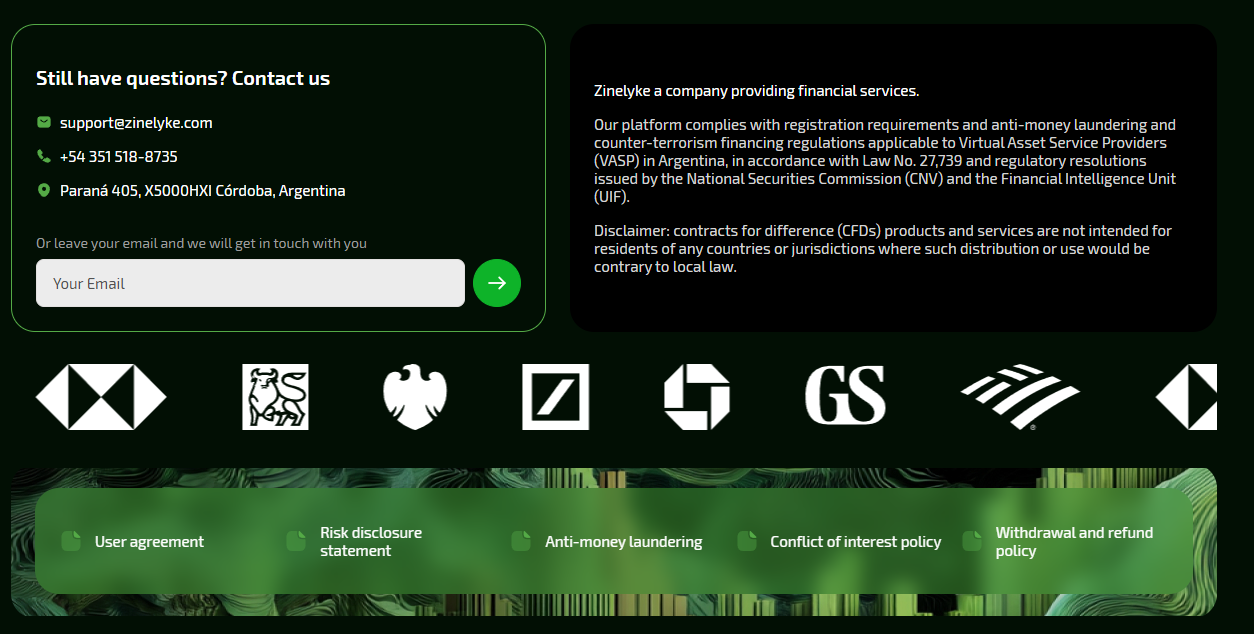
The project’s relatively recent domain registration, ambitious marketing claims, promises of monthly profits of up to 70%, unclear bonus conditions, limited transparency regarding withdrawals, and unresolved questions surrounding its regulatory status create a risk profile that should not be ignored.

None of these factors alone definitively proves fraudulent activity. However, taken together, they indicate that potential clients should conduct thorough due diligence before depositing any funds.

Before opening an account with EDL Capital AG, investors should independently verify the company’s regulatory authorization, carefully review its legal documentation, and assess independent customer feedback. In the financial industry, extraordinary promises should always be matched by equally strong evidence — and when that evidence is lacking, caution is the most prudent approach.

Lao Securities Commission Review

The Lao Securities Commission (LSC) presents itself as a financial regulator responsible for supervising Laos’ securities market. According to its website, the organization oversees securities licensing, regulatory compliance, investor protection, market surveillance, and the development of a transparent capital market.

At first glance, the platform appears professional and includes sections covering regulatory services, investor support, licensing, and compliance monitoring. However, a closer review raises several concerns regarding transparency, publicly available information, and the level of detail expected from a government financial authority.

This review examines the official website, claimed regulatory functions, licensing process, user feedback, and potential risks investors should consider before relying on this organization.
Overview of Lao Securities Commission

According to the information published on lsc-laos.com, the Commission aims to create a secure investment environment by regulating securities activities and promoting investor confidence.

The organization claims to perform several key functions, including:

  • Licensing securities market participants;
  • Monitoring trading activities;
  • Reviewing corporate disclosures;
  • Supervising regulatory compliance;
  • Protecting investors;
  • Supporting financial market development.

These responsibilities are typical for securities regulators worldwide. However, the website provides limited evidence demonstrating how these functions are implemented in practice.

Official Website Analysis

The official website contains several sections, including Home, About Us, Investors, Cases, Help Desk, Toolboxes, and Contact.

Although the site looks modern, much of its content consists of general statements such as:

  • Investor Protection
  • Market Transparency
  • Regulatory Integrity
  • Financial Stability
  • Corporate Governance

These concepts are repeated throughout multiple pages but are rarely supported by detailed explanations, legal references, or examples of regulatory activity.

Instead of publishing extensive documentation, the website focuses primarily on describing its mission and objectives.

Limited Organizational Information

One of the first issues visitors may notice is the lack of institutional background.

The website provides very little information about:

  • when the Commission was established;
  • its historical development;
  • organizational structure;
  • senior management;
  • governing board;
  • regulatory reforms.

Most established financial regulators publish detailed information about their leadership, legal framework, annual reports, and institutional history. Such information is either missing or only briefly mentioned on the Lao Securities Commission website.

Licensing Process

Licensing financial institutions is presented as one of the Commission’s core responsibilities.

However, the website does not explain the licensing procedure in detail.

Important information that would normally be expected includes:

  • eligibility requirements;
  • required documentation;
  • application fees;
  • review timelines;
  • compliance standards;
  • reasons for license rejection.
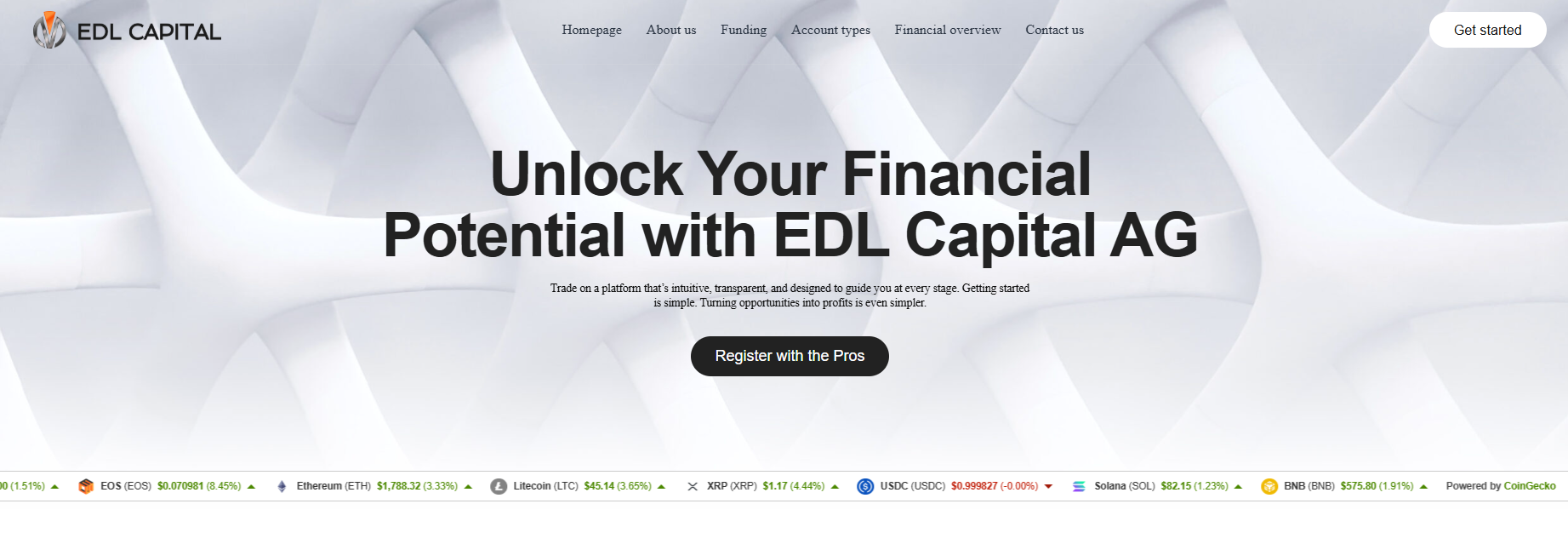
Instead, visitors are simply informed that the Commission issues licenses and supervises market participants without describing how the process actually works.

This lack of transparency makes it difficult for companies or investors to understand the regulatory framework.

Transparency Concerns

Several aspects of the website may raise questions for investors performing due diligence.

Among the most noticeable concerns are:

  • limited historical information;
  • absence of detailed regulatory documentation;
  • no publicly available enforcement decisions;
  • lack of annual reports or statistical data;
  • limited information regarding senior officials;
  • repeated use of generic promotional language instead of practical regulatory guidance.

Individually, these issues do not prove misconduct. However, together they reduce the overall transparency expected from a financial regulator.

Comparison with the Official Lao Securities Commission Office

Another point worth considering is that Laos already has an official securities regulator operating under the government domain lsc.gov.la.

The government website publishes considerably more information, including:

  • securities legislation;
  • licensing procedures;
  • regulatory announcements;
  • organizational structure;
  • official publications;
  • legal documentation.
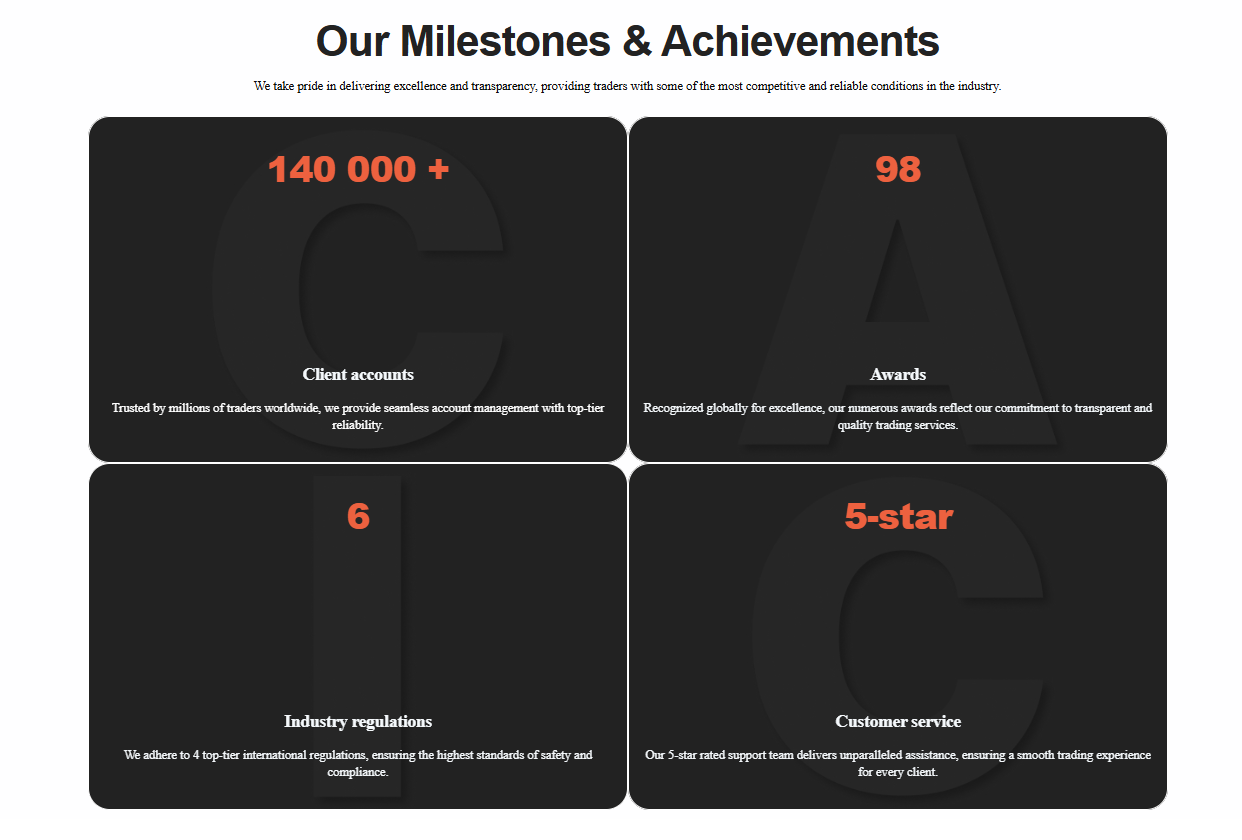
By comparison, lsc-laos.com contains significantly less institutional and regulatory information despite presenting itself as the Lao Securities Commission.
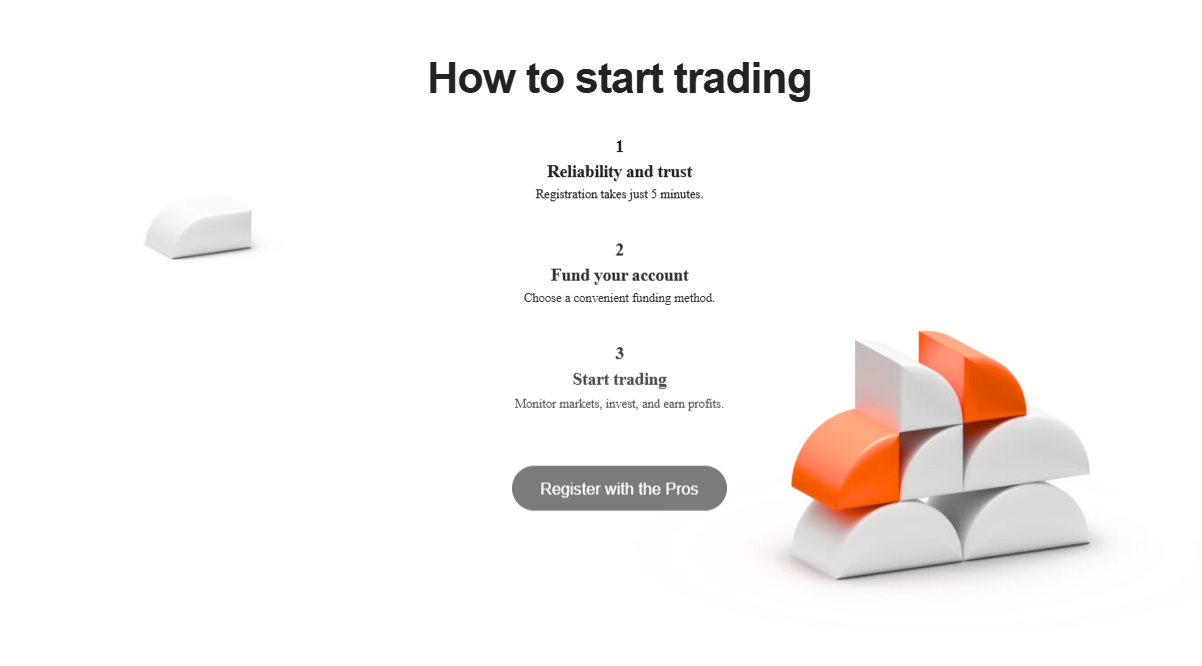
The existence of two different websites using similar names makes independent verification especially important before relying on either organization’s regulatory claims.
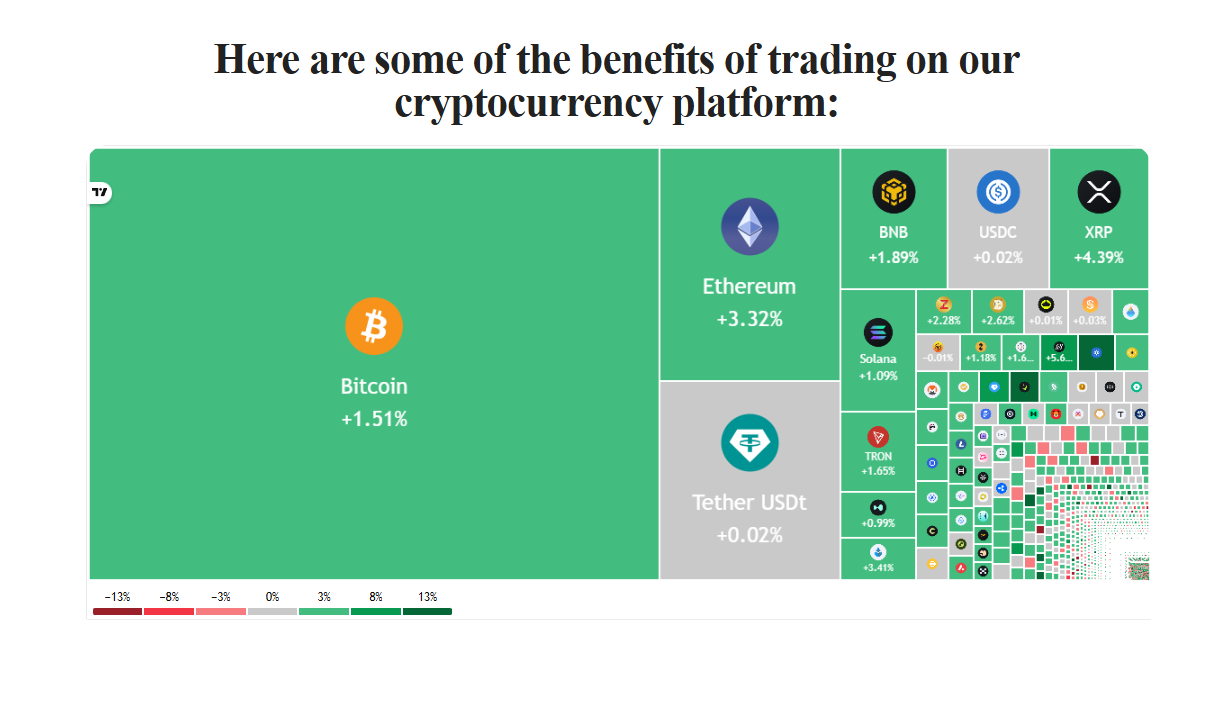
User Reviews

Public reviews available online are limited, but the complaints that do exist follow similar patterns.

Some users report being contacted regarding the recovery of funds allegedly lost through investment scams.

According to these reviews, individuals were informed that their money had already been located or frozen but that additional payments were required before the funds could be released.

Reported requests included:

  • security deposits;
  • account activation fees;
  • currency conversion charges;
  • administrative costs.

One reviewer described an alleged situation in which recovered funds were supposedly held in an overseas bank and could only be released after paying multiple fees. Another reported repeated requests for additional payments after each previous payment had already been made.

Although these reviews represent personal experiences rather than verified facts, they describe similar scenarios involving advance payment requests. Investors should always approach such offers with caution and independently verify any recovery claims before transferring money.

Can Lao Securities Commission Be Trusted?

Based solely on the information available on its website, it is difficult to fully evaluate the regulatory authority of Lao Securities Commission.

The organization presents itself as a financial regulator and outlines several important responsibilities. However, many of the documents, procedures, and public records commonly associated with established securities regulators are either unavailable or insufficiently detailed.

For investors, transparency is one of the most important indicators of regulatory credibility. Public access to legislation, licensing records, enforcement actions, annual reports, and organizational information helps demonstrate accountability and builds confidence.

In the case of lsc-laos.com, much of this information is missing or presented only in broad terms, making independent verification more difficult.

Final Verdict

Lao Securities Commission positions itself as a regulator responsible for supervising Laos’ securities market, licensing financial institutions, and protecting investors. While its website outlines these objectives, the available information raises several questions regarding transparency and regulatory disclosure.

The absence of detailed licensing procedures, legal documentation, enforcement history, organizational information, and publicly available reports makes it difficult to independently assess the organization’s regulatory role. Additionally, the existence of the official Lao Securities Commission Office under the government domain lsc.gov.la, which provides significantly more comprehensive institutional and legal information, further emphasizes the need for careful verification.

Public reviews also describe alleged fund recovery schemes involving requests for advance payments. Although these accounts have not been independently verified, they highlight the importance of exercising caution whenever individuals or organizations claim they can recover lost investments in exchange for upfront fees.

Before relying on Lao Securities Commission or any company claiming to be regulated by it, investors should conduct independent research, verify licensing through official government sources, and avoid sending money in response to unexpected requests for taxes, security deposits, release fees, or administrative charges.

Thorough due diligence remains the most effective way to reduce financial risk and protect investment capital.