
Lao Securities Commission Review
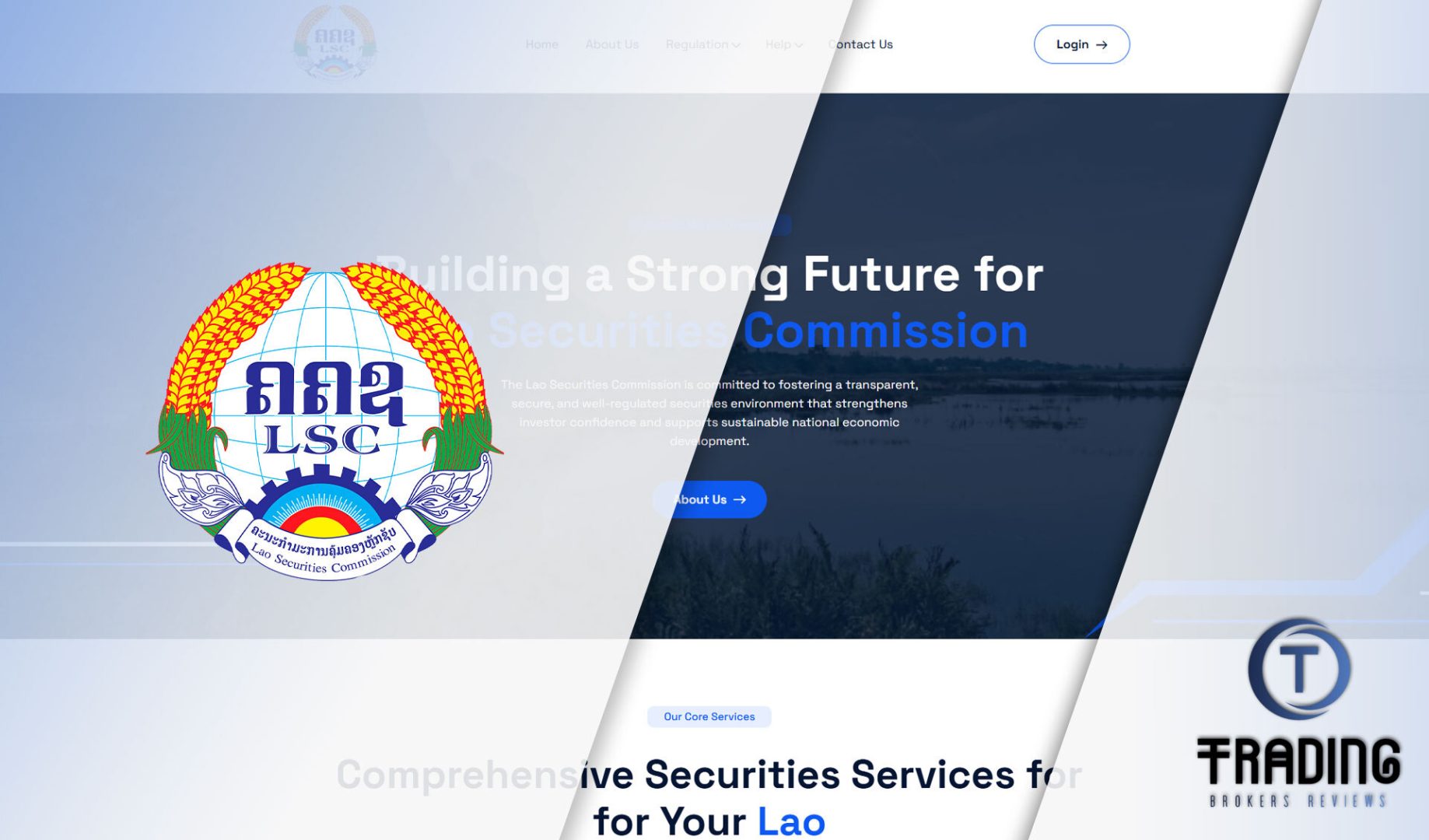
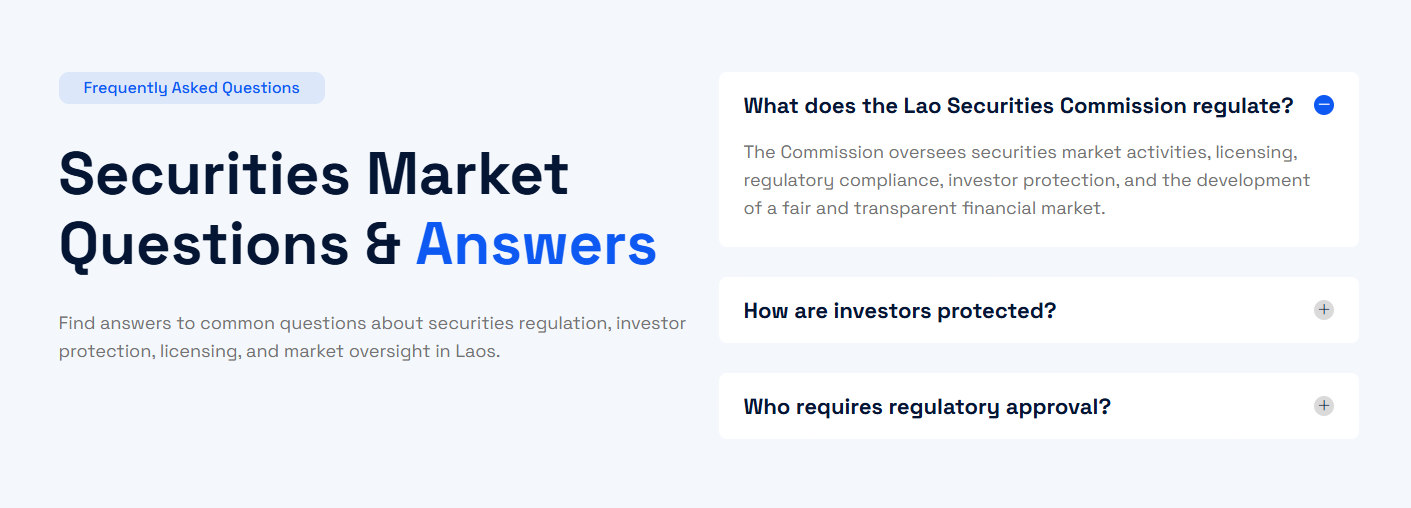
The Lao Securities Commission (LSC) presents itself as a financial regulator responsible for supervising Laos’ securities market. According to its website, the organization oversees securities licensing, regulatory compliance, investor protection, market surveillance, and the development of a transparent capital market.
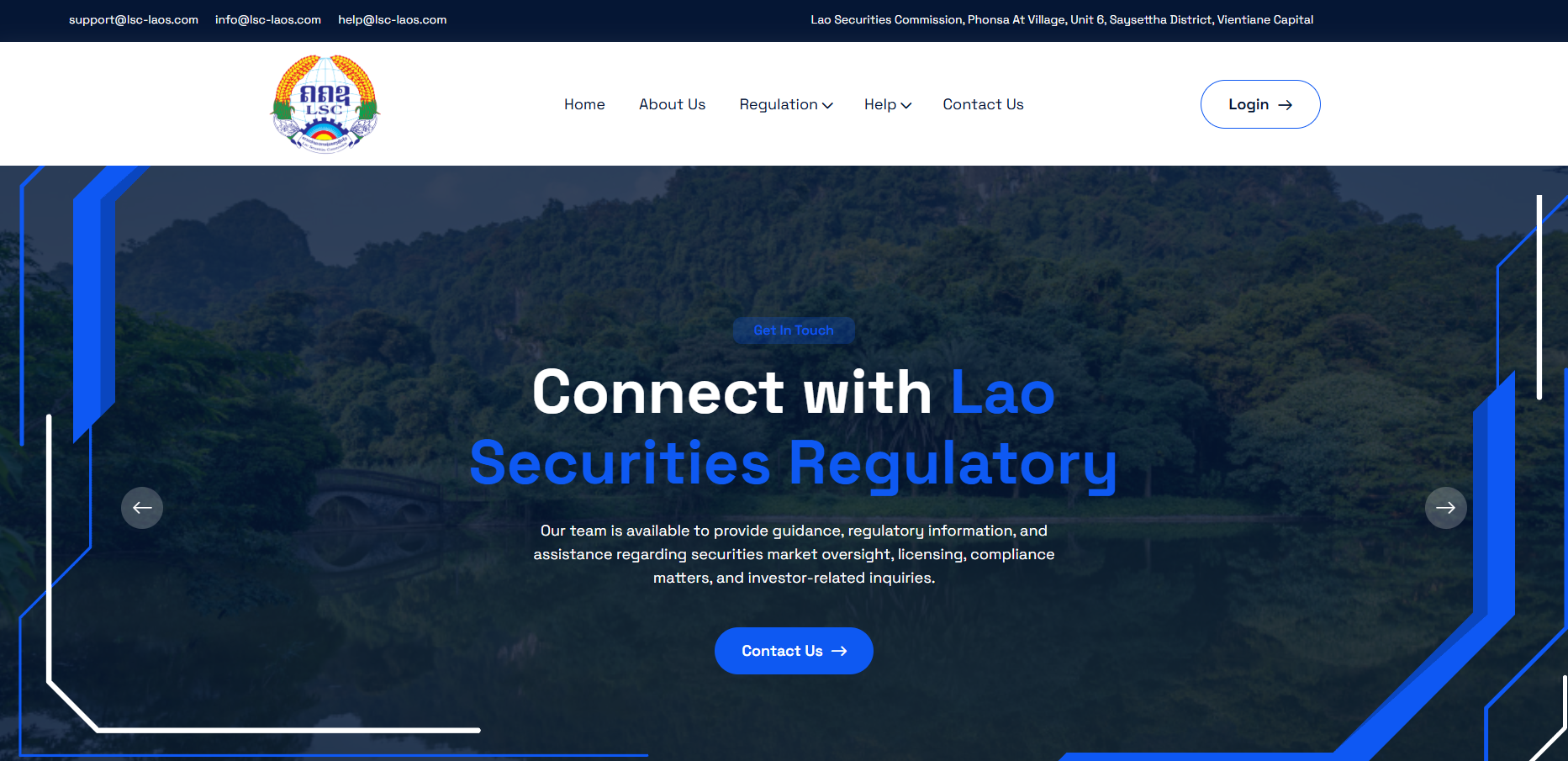
At first glance, the platform appears professional and includes sections covering regulatory services, investor support, licensing, and compliance monitoring. However, a closer review raises several concerns regarding transparency, publicly available information, and the level of detail expected from a government financial authority.
This review examines the official website, claimed regulatory functions, licensing process, user feedback, and potential risks investors should consider before relying on this organization.
Overview of Lao Securities Commission
According to the information published on lsc-laos.com, the Commission aims to create a secure investment environment by regulating securities activities and promoting investor confidence.
The organization claims to perform several key functions, including:
- Licensing securities market participants;
- Monitoring trading activities;
- Reviewing corporate disclosures;
- Supervising regulatory compliance;
- Protecting investors;
- Supporting financial market development.
These responsibilities are typical for securities regulators worldwide. However, the website provides limited evidence demonstrating how these functions are implemented in practice.
Official Website Analysis
The official website contains several sections, including Home, About Us, Investors, Cases, Help Desk, Toolboxes, and Contact.
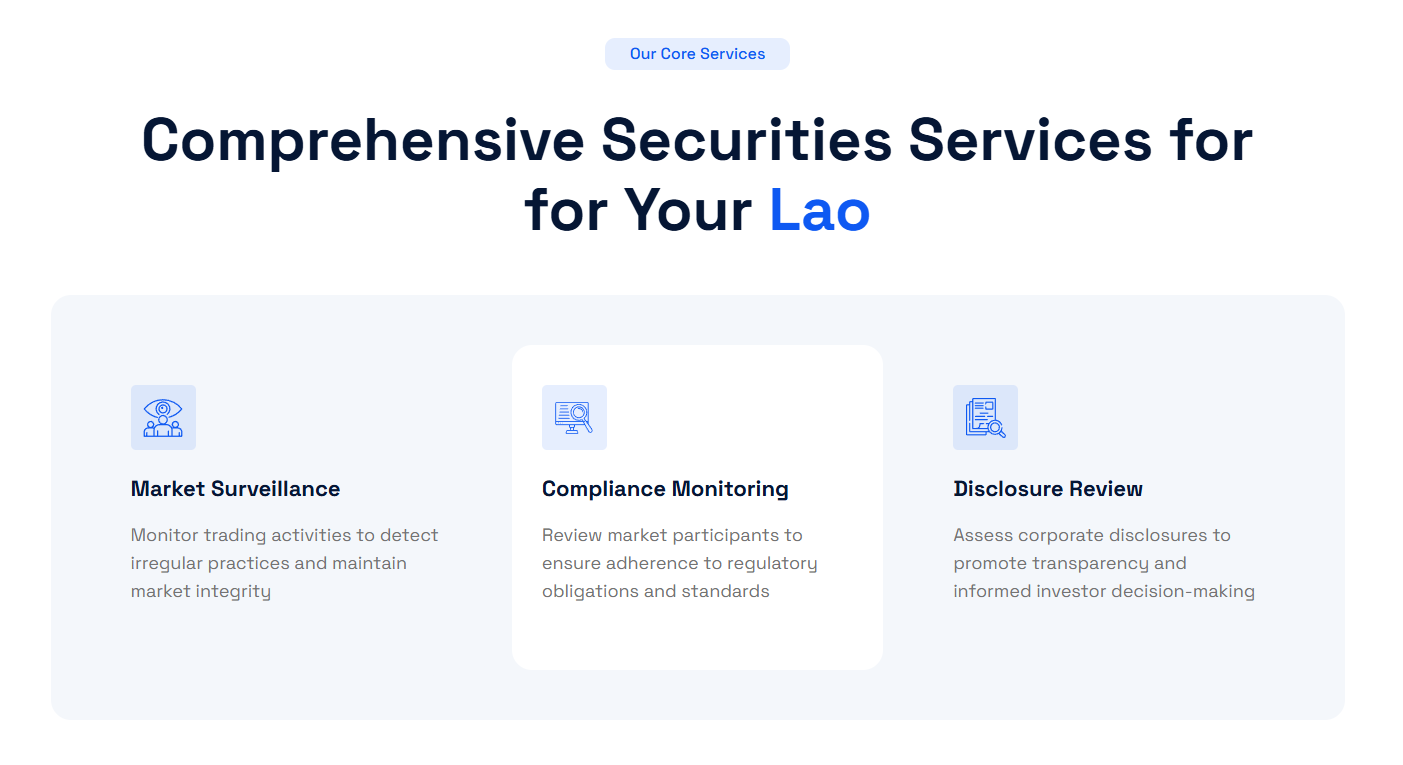
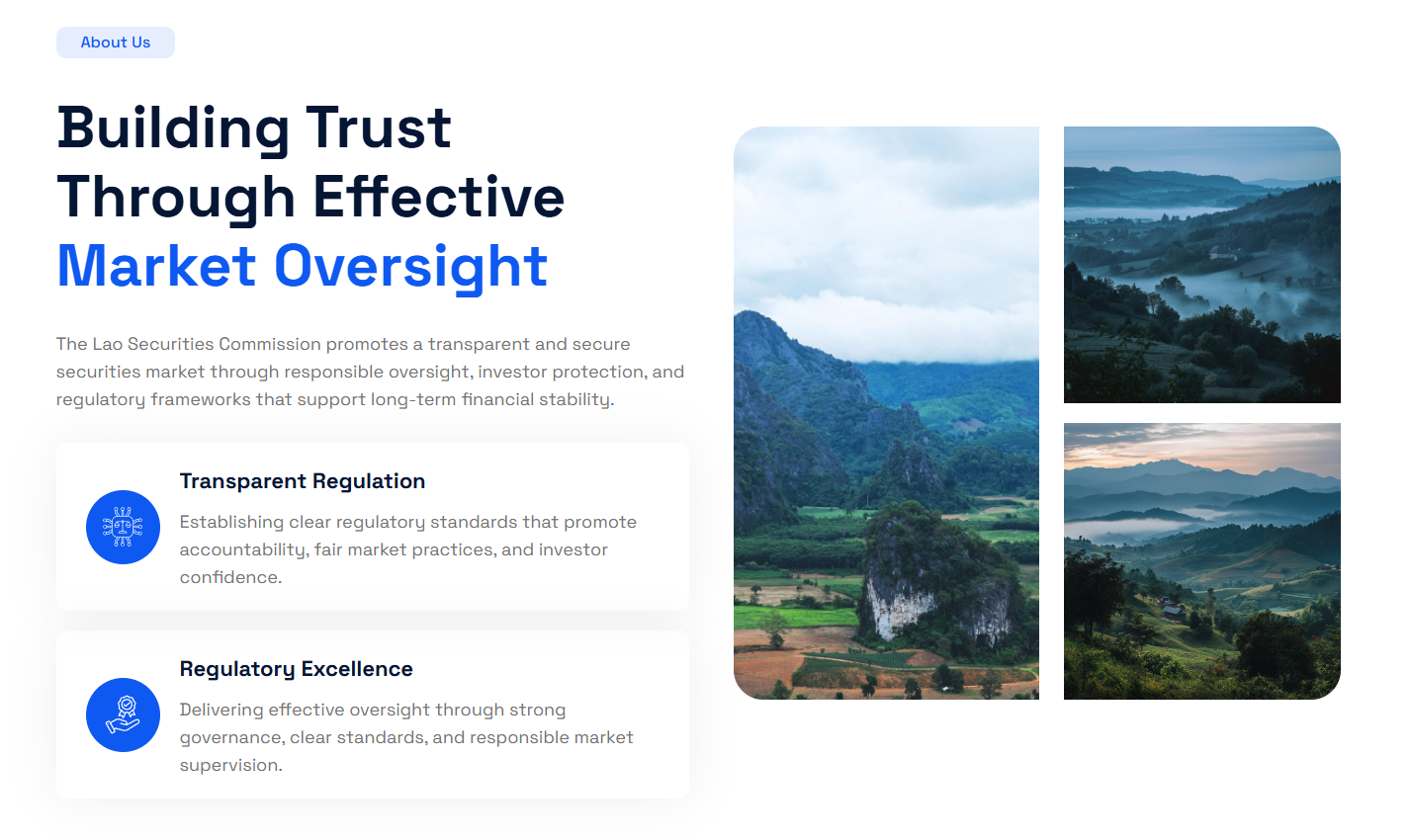
Although the site looks modern, much of its content consists of general statements such as:
- Investor Protection
- Market Transparency
- Regulatory Integrity
- Financial Stability
- Corporate Governance
These concepts are repeated throughout multiple pages but are rarely supported by detailed explanations, legal references, or examples of regulatory activity.
Instead of publishing extensive documentation, the website focuses primarily on describing its mission and objectives.
Limited Organizational Information
One of the first issues visitors may notice is the lack of institutional background.
The website provides very little information about:
- when the Commission was established;
- its historical development;
- organizational structure;
- senior management;
- governing board;
- regulatory reforms.
Most established financial regulators publish detailed information about their leadership, legal framework, annual reports, and institutional history. Such information is either missing or only briefly mentioned on the Lao Securities Commission website.
Licensing Process
Licensing financial institutions is presented as one of the Commission’s core responsibilities.
However, the website does not explain the licensing procedure in detail.
Important information that would normally be expected includes:
- eligibility requirements;
- required documentation;
- application fees;
- review timelines;
- compliance standards;
- reasons for license rejection.
Instead, visitors are simply informed that the Commission issues licenses and supervises market participants without describing how the process actually works.
This lack of transparency makes it difficult for companies or investors to understand the regulatory framework.
Transparency Concerns
Several aspects of the website may raise questions for investors performing due diligence.
Among the most noticeable concerns are:
- limited historical information;
- absence of detailed regulatory documentation;
- no publicly available enforcement decisions;
- lack of annual reports or statistical data;
- limited information regarding senior officials;
- repeated use of generic promotional language instead of practical regulatory guidance.
Individually, these issues do not prove misconduct. However, together they reduce the overall transparency expected from a financial regulator.
Comparison with the Official Lao Securities Commission Office
Another point worth considering is that Laos already has an official securities regulator operating under the government domain lsc.gov.la.
The government website publishes considerably more information, including:
- securities legislation;
- licensing procedures;
- regulatory announcements;
- organizational structure;
- official publications;
- legal documentation.
By comparison, lsc-laos.com contains significantly less institutional and regulatory information despite presenting itself as the Lao Securities Commission.
The existence of two different websites using similar names makes independent verification especially important before relying on either organization’s regulatory claims.
User Reviews
Public reviews available online are limited, but the complaints that do exist follow similar patterns.
Some users report being contacted regarding the recovery of funds allegedly lost through investment scams.
According to these reviews, individuals were informed that their money had already been located or frozen but that additional payments were required before the funds could be released.
Reported requests included:
- security deposits;
- account activation fees;
- currency conversion charges;
- administrative costs.
One reviewer described an alleged situation in which recovered funds were supposedly held in an overseas bank and could only be released after paying multiple fees. Another reported repeated requests for additional payments after each previous payment had already been made.
Although these reviews represent personal experiences rather than verified facts, they describe similar scenarios involving advance payment requests. Investors should always approach such offers with caution and independently verify any recovery claims before transferring money.
Can Lao Securities Commission Be Trusted?
Based solely on the information available on its website, it is difficult to fully evaluate the regulatory authority of Lao Securities Commission.
The organization presents itself as a financial regulator and outlines several important responsibilities. However, many of the documents, procedures, and public records commonly associated with established securities regulators are either unavailable or insufficiently detailed.
For investors, transparency is one of the most important indicators of regulatory credibility. Public access to legislation, licensing records, enforcement actions, annual reports, and organizational information helps demonstrate accountability and builds confidence.
In the case of lsc-laos.com, much of this information is missing or presented only in broad terms, making independent verification more difficult.
Final Verdict
Lao Securities Commission positions itself as a regulator responsible for supervising Laos’ securities market, licensing financial institutions, and protecting investors. While its website outlines these objectives, the available information raises several questions regarding transparency and regulatory disclosure.
The absence of detailed licensing procedures, legal documentation, enforcement history, organizational information, and publicly available reports makes it difficult to independently assess the organization’s regulatory role. Additionally, the existence of the official Lao Securities Commission Office under the government domain lsc.gov.la, which provides significantly more comprehensive institutional and legal information, further emphasizes the need for careful verification.
Public reviews also describe alleged fund recovery schemes involving requests for advance payments. Although these accounts have not been independently verified, they highlight the importance of exercising caution whenever individuals or organizations claim they can recover lost investments in exchange for upfront fees.
Before relying on Lao Securities Commission or any company claiming to be regulated by it, investors should conduct independent research, verify licensing through official government sources, and avoid sending money in response to unexpected requests for taxes, security deposits, release fees, or administrative charges.
Thorough due diligence remains the most effective way to reduce financial risk and protect investment capital.