

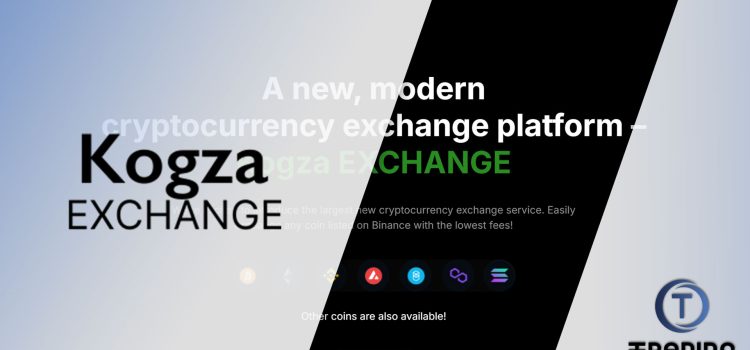
Kogza (kogza.com) Review
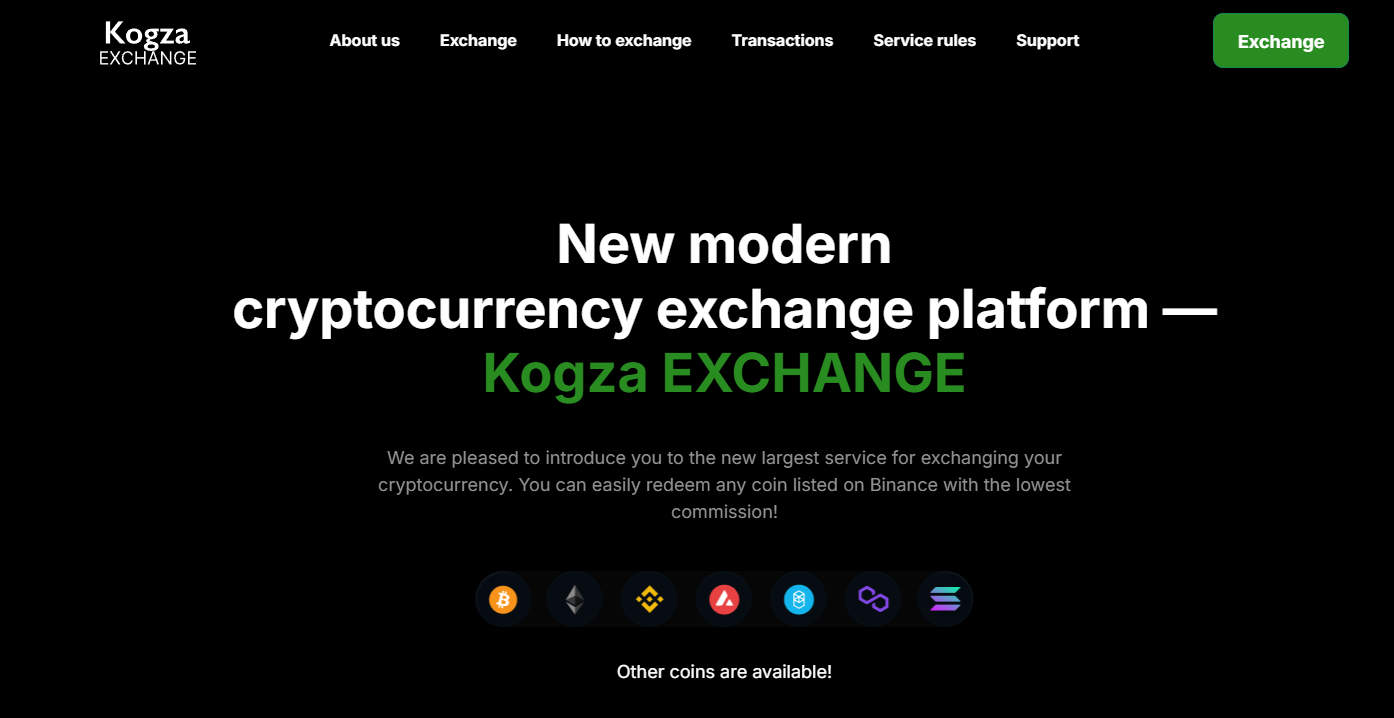
Kogza claims to be a cryptocurrency exchange and broker offering trading services, investment tools, digital wallets, liquidity options, and automated trading. On the surface, these claims may appear attractive. In reality, a close examination of the available information shows that Kogza fails to meet basic standards for a legitimate cryptocurrency platform. The evidence points to significant issues that raise serious concerns about its legitimacy and user safety. This article provides a detailed and candid review of Kogza, focusing on risks, lack of transparency, and strong indications of a scam operation.
Lack of Legal Identity and Regulation
A legitimate exchange or broker must disclose its legal identity, corporate structure, and regulatory status. Kogza does not provide this information. There is no public record of the company’s registration, no mention of its owners or management, and no evidence of licensing from any recognized financial authority. Kogza is not listed in any official regulatory databases. Without clear legal status, users have no protection under financial regulations, no oversight, and no reliable recourse if funds or accounts are compromised. Operating without regulation is a major red flag.
No Verifiable Corporate Information
Kogza does not offer any verifiable company details. There are no names of directors, no official address, and no legally registered entity tied to the website. Transparency about ownership and corporate structure is a baseline expectation for any financial platform. The absence of this information means that users cannot verify who is responsible for the platform, where it is based, or under what legal framework it operates. This level of obscurity is consistent with platforms designed to avoid accountability.
Unsubstantiated Feature Claims
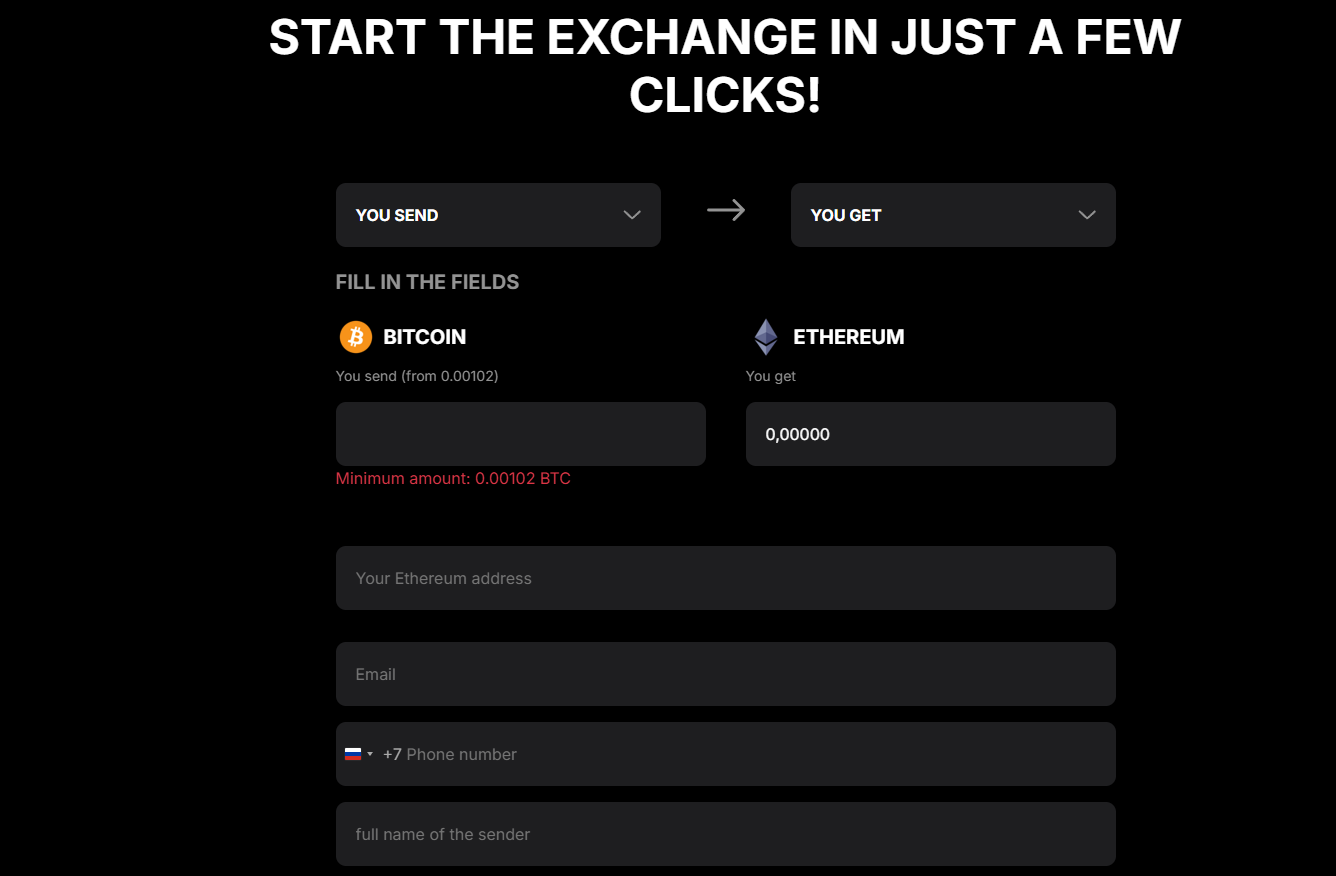
The platform promotes trading services, custodial wallets, liquidity pools, and an automated trading robot. None of these services are supported by detailed documentation, technical explanation, or independent verification. There is no verified list of supported assets, no public fee schedule, no terms of service detailing how trades are executed, and no proof of how the automatic trading feature functions. Making feature claims without transparent execution details is deceptive. Users cannot assess real utility or risk because the underlying mechanics are never disclosed.
Registration Without Meaningful Identity Verification
Kogza allows users to create accounts without mandatory identity verification (KYC). Reliable crypto platforms require KYC to comply with anti‑money‑laundering standards and to protect users. Allowing multiple unverified accounts opens the system to abuse and enables the platform to restrict or block accounts arbitrarily. Lack of KYC can initially seem convenient, but it removes safeguards for users and increases the chance of sudden account restrictions or unexplained freezes.
Custody of Funds Without Proof of Security
Kogza claims to provide built‑in wallets and security features like two‑factor authentication. However, there is no published evidence of secure custody practices, proof of reserves, independent security audits, or on‑chain verification of user funds. Without cold storage, reserve audits, or transparent audits, users cannot know whether their assets are actually stored in real cryptocurrency wallets or merely represented in an internal database. This opaque custody model is a common pattern in fraudulent platforms that do not actually hold user assets.
Withdrawal Problems as Primary Issue
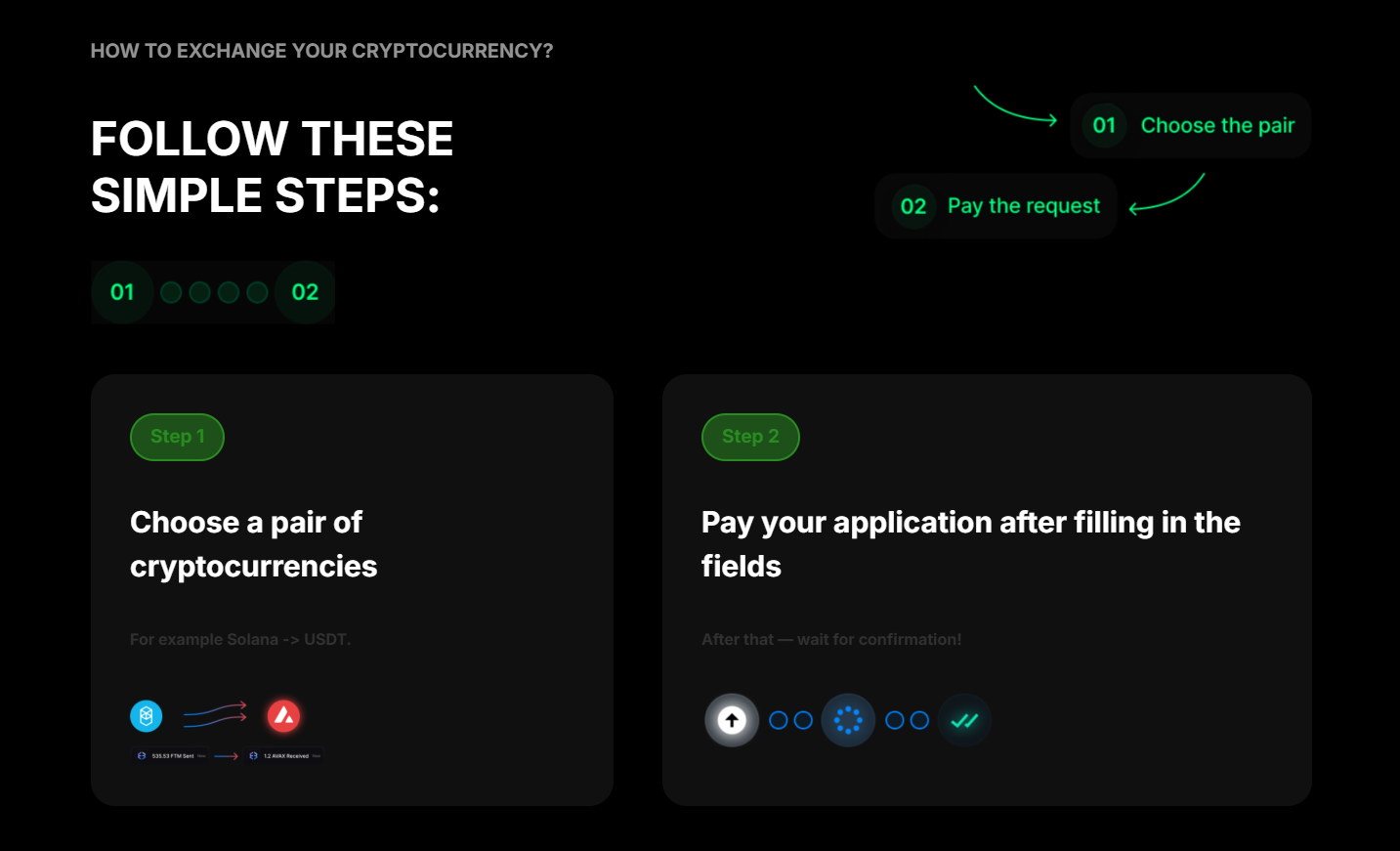
The most consistent negative reports from users involve withdrawal issues. Users report waiting indefinitely for withdrawal processing, receiving no explanation for delays or denials, and being asked to pay additional fees unrelated to standard transaction costs. In some cases, accounts are frozen after deposit and users are blocked from accessing funds. These behaviors—accept deposits quickly and make withdrawal difficult or impossible—are characteristic of scam crypto platforms. Kogza has no clear withdrawal policy, published processing times, or fee transparency.
Customer Support Is Inadequate
Customer support is an essential function for any financial platform. Kogza’s support channels are described as slow, unresponsive, or non‑functional. Many users report getting template responses or no response at all after attempting to resolve account or withdrawal issues. A lack of reliable customer support indicates that the platform is not structured to serve users effectively and lacks accountability mechanisms for dispute resolution.
Negative Reputation and User Reports
Independent user reports consistently describe similar problems: deposits that go in, but withdrawals that never complete; lack of support assistance; and abrupt account restrictions. The consistency of these reports across different forums strengthens the conclusion that the platform operates in a manner harmful to users. When multiple independent accounts describe the same pattern of issues, it cannot be dismissed as isolated user error.
Technical and Transparency Issues
Kogza’s domain registration is obscured, and there is little to no publicly verifiable history of the service. Platforms that deliberately hide domain ownership and operational history are avoiding traceability. Legitimate financial services prioritize transparency and provide clear documentation of their operations, servers, and security infrastructure. The absence of these practices on Kogza’s platform further supports concerns about legitimacy.
Marketing Without Evidence
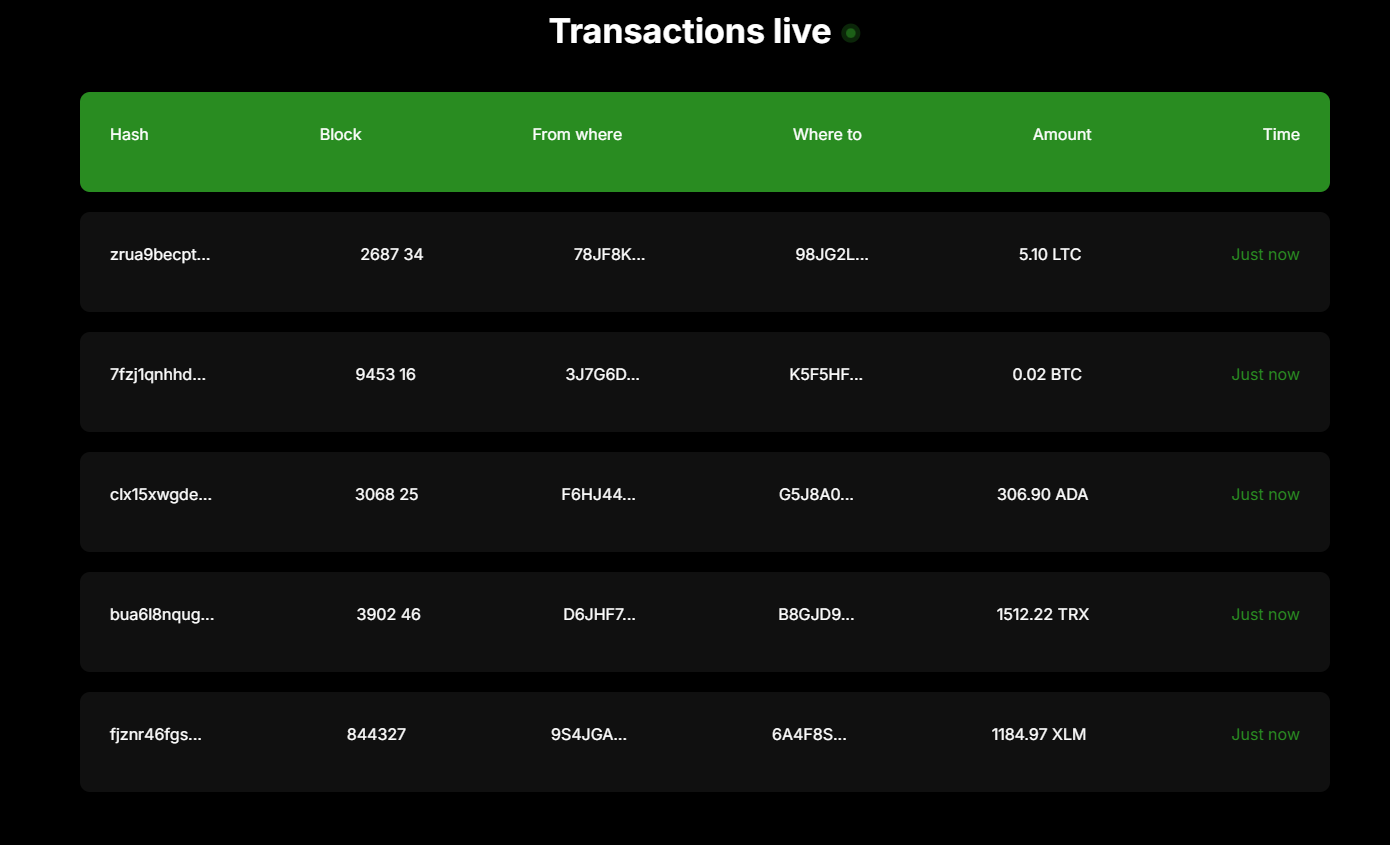
The language on Kogza’s website focuses on ease and broad capabilities, such as automated trading systems and liquidity options. However, these claims are not backed by technical documentation or verifiable systems. Users are presented with marketing statements rather than factual service guarantees. This tactic is common in scam operations that rely on attracting users with appealing promises but do not deliver real services.
High Risk of Financial Loss
Based on the lack of regulation, absence of transparent corporate information, unverified service claims, chronic withdrawal issues, and negative user experiences, interacting with Kogza carries a high risk of financial loss. Users are likely to encounter arbitrary fees, blocked accounts, and lost deposits. Because there is no legal framework governing Kogza, users have limited options to recover funds once they are transferred.
Conclusion
Kogza does not function like a legitimate cryptocurrency exchange or broker. It fails essential criteria for transparency, accountability, security, and regulatory compliance. The platform’s design, behavior, and user impact are consistent with scam operations that are hostile to user funds. Users should avoid registration, funding, or engagement with Kogza and should seek to recover funds through chargebacks or legal avenues if they have already deposited.
For anyone considering using Kogza, it is strongly advised to conduct independent research, choose licensed and transparent exchanges, and avoid any platform that cannot demonstrate verifiable security, regulation, and accountability. Kogza should be treated as a high‑risk entity with all signs pointing to fraudulent activity.



Deposited thinking I could make some profits… but withdrawing was impossible. Scam.
Kogza promises income, but they just block your funds and disappear.