Raliplen Broker Review 2025

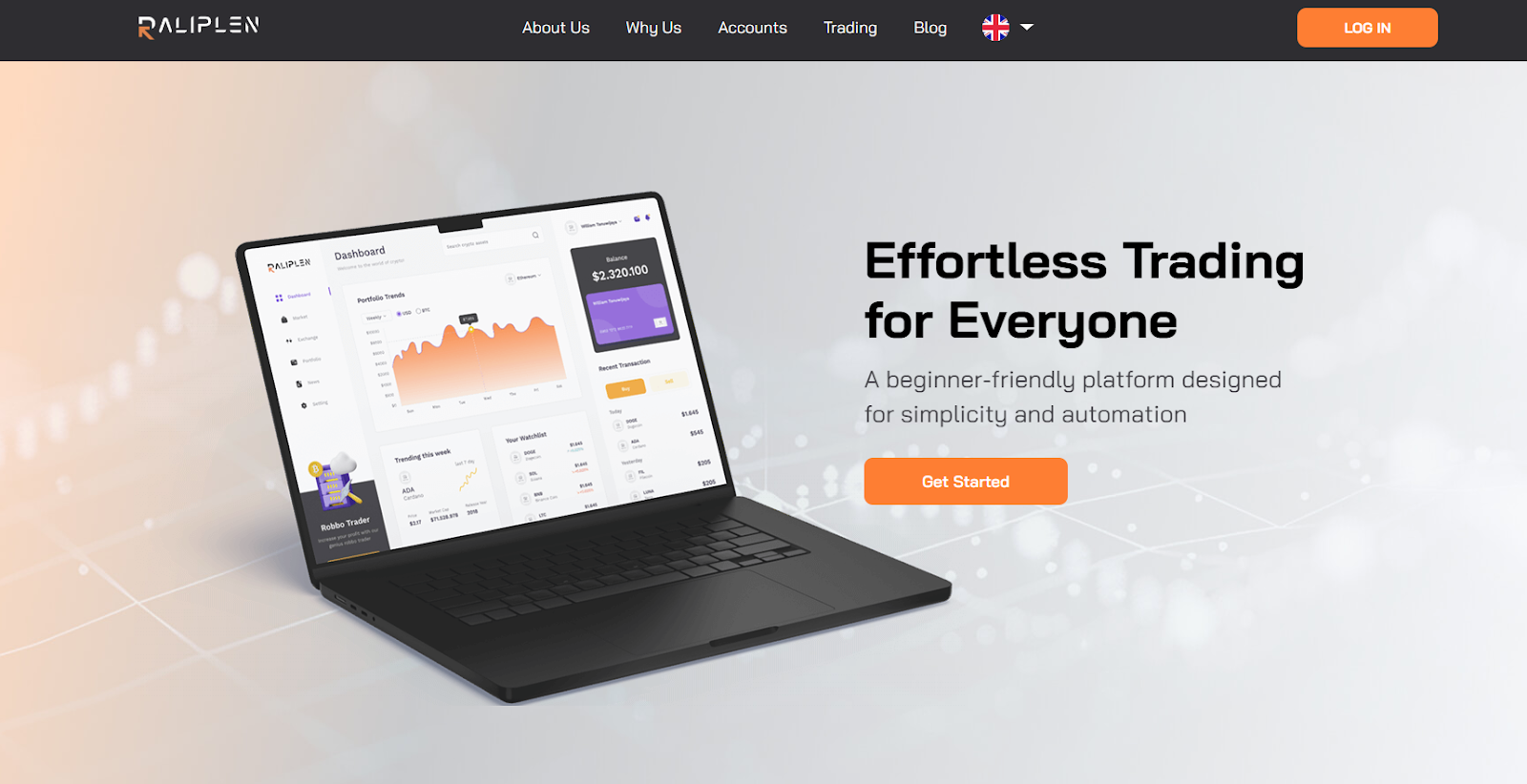
Raliplen is an online trading brand operating primarily via raliplen.com and raliplen.net. The .com domain was registered on 10 February 2025, while the .net domain appeared in late July 2025 — a very short web footprint for a firm that markets itself as experienced and global. The site targets an international audience in English, including the CIS region.
Key takeaways

  • Unlicensed: No authorization from FCA, CySEC, ASIC, SEC/CFTC, or any reputable regulator.
  • Official warnings: Flagged by Canadian provincial regulators (ASC, BCSC, AMF/Québec) and listed by Belgium’s FSMA in July 2025.
  • Anonymity & inconsistencies: No disclosed legal entity; glossy claims without verifiable evidence.
  • High-risk terms: 1:500 leverage, vague “VIP” tiers, and a white-label web terminal on a third-party domain.
  • Complaint pattern: Blocked withdrawals, invented “fees/taxes,” pressure from “personal managers,” and aggressive solicitation.

Claimed corporate profile

  • Address (claimed): 54 Fenchurch Street, London EC3M 3JY, UK.
  • Contacts (claimed): +44 2039617102, +44 2038622925; [email protected].
  • Social presence: No active, verifiable social media channels identified.

The London address is a common office-block location often cited by shell entities. There is no public evidence of genuine operations from this site and no disclosed legal entity name or registration number connected to Raliplen.

Regulation & licenses

A search across major regulatory registers shows no license of any kind for Raliplen. The firm is not authorized by the UK’s FCA or other top-tier regulators (CySEC, ASIC, NFA/CFTC, etc.). 
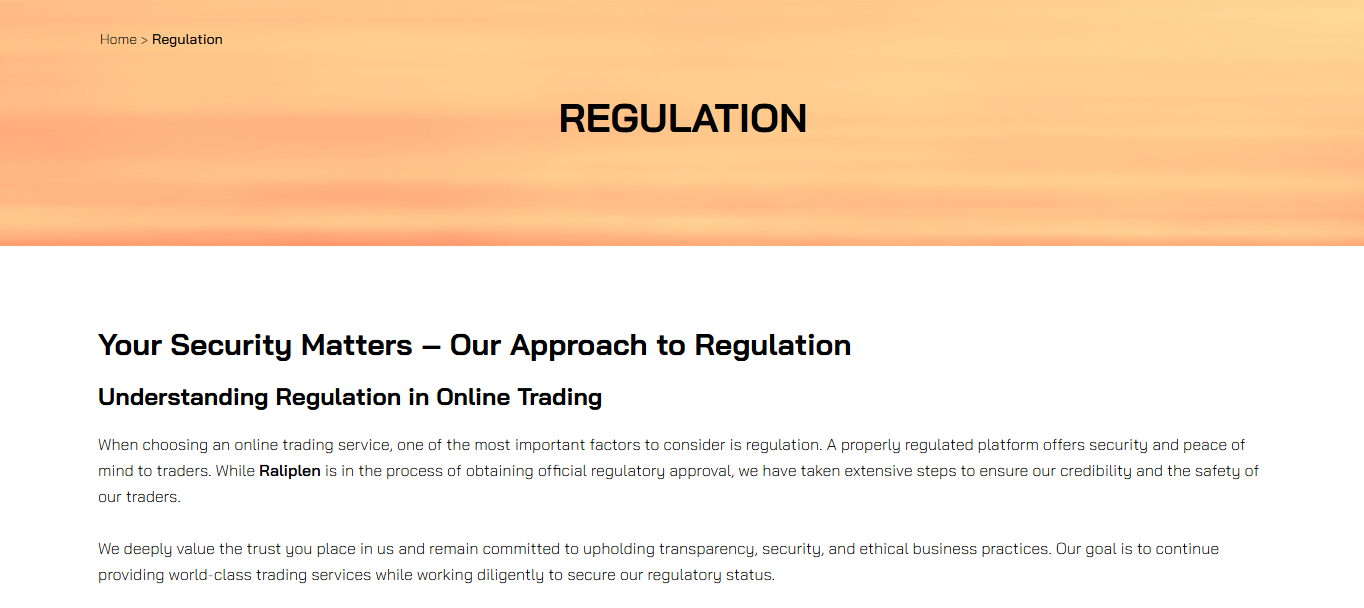
Conversely, multiple regulators have warned consumers:

  • Alberta (ASC): Placed Raliplen on its Investment Caution List on 11 June 2025.
  • British Columbia (BCSC): Issued a warning on 9 July 2025, stating Raliplen is not registered to trade in securities or derivatives in the province.
  • Québec (AMF): States Raliplen is not authorized to solicit investors in the province.
  • Belgium (FSMA): In a consolidated update on 24 July 2025, Raliplen (raliplen.com) is grouped with dozens of illegal online platforms that typically block withdrawals and operate without licenses.

Raliplen operates outside any reputable regulatory framework. Client funds receive no statutory protection (no compensation scheme; no recognized dispute resolution).

Trading offer at a glance

Raliplen’s marketing reads like a standard lure for newcomers:

  • Minimum deposit: from $250.
  • Leverage: up to 1:500 (far beyond legal caps in most regulated markets—e.g., 1:30 in the EU/UK for retail clients).
  • Instruments: broad CFDs menu—crypto, stocks, indices, commodities, metals; even NFTs are mentioned. No credible liquidity providers disclosed.
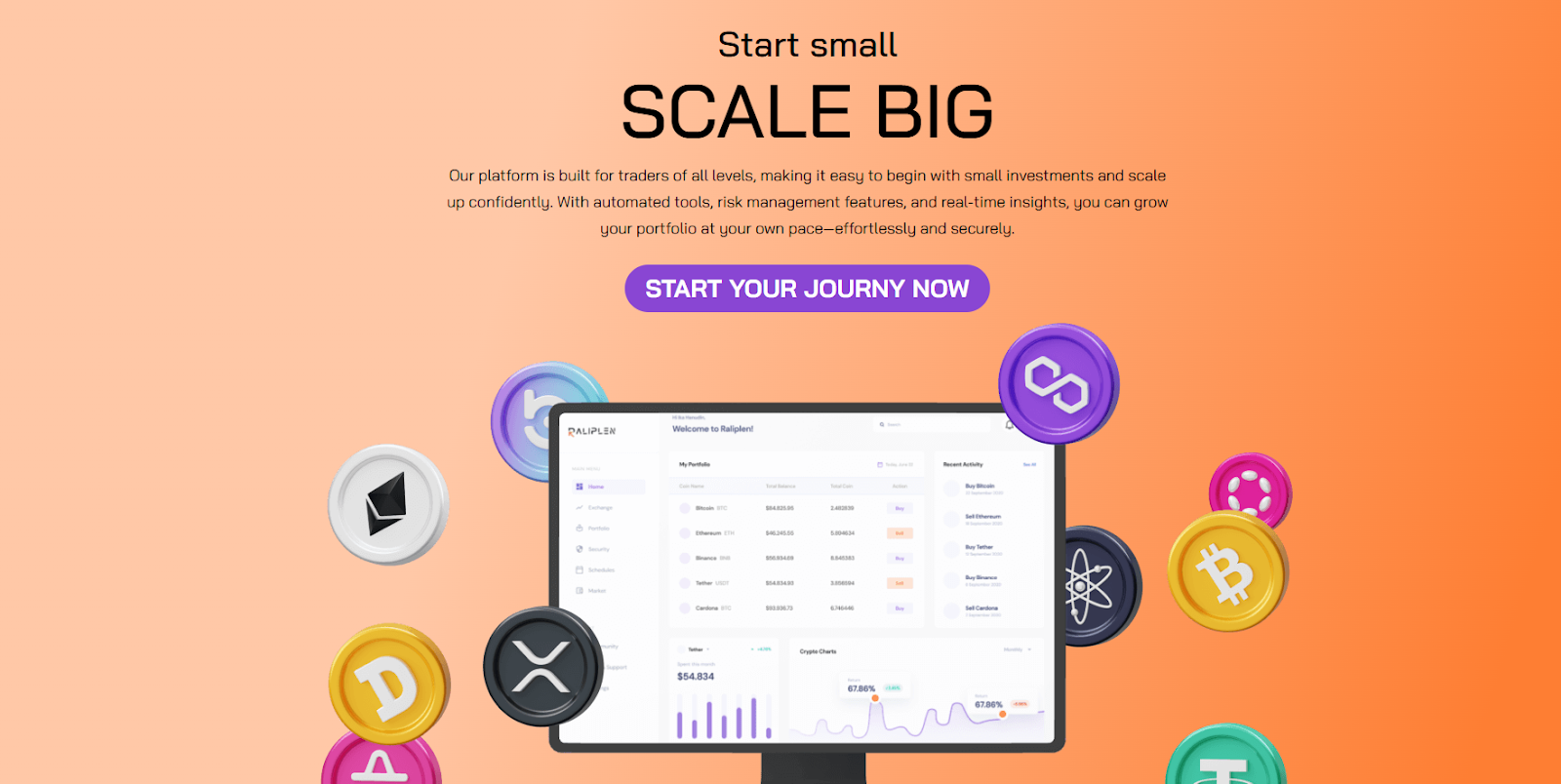
  • Platform: “MetaTrader” is referenced, but access is via a web terminal hosted on a third-party domain: webtrader.aternlyx.tech. This is a white-label environment widely observed among scam clusters; it allows full control over pricing/latency and can simulate fills and P&L internally.
  • Account tiers / VIP: Multi-level “VIP” statuses with promises of tighter costs, bonuses, and privileged service. No transparent fee schedule or instrument specifications published.
  • Education & extras: “Personal manager 24/7,” signals, copy-trading, and market “analysis.” These features primarily function as sales tools to nudge larger deposits.

Deposits & withdrawals

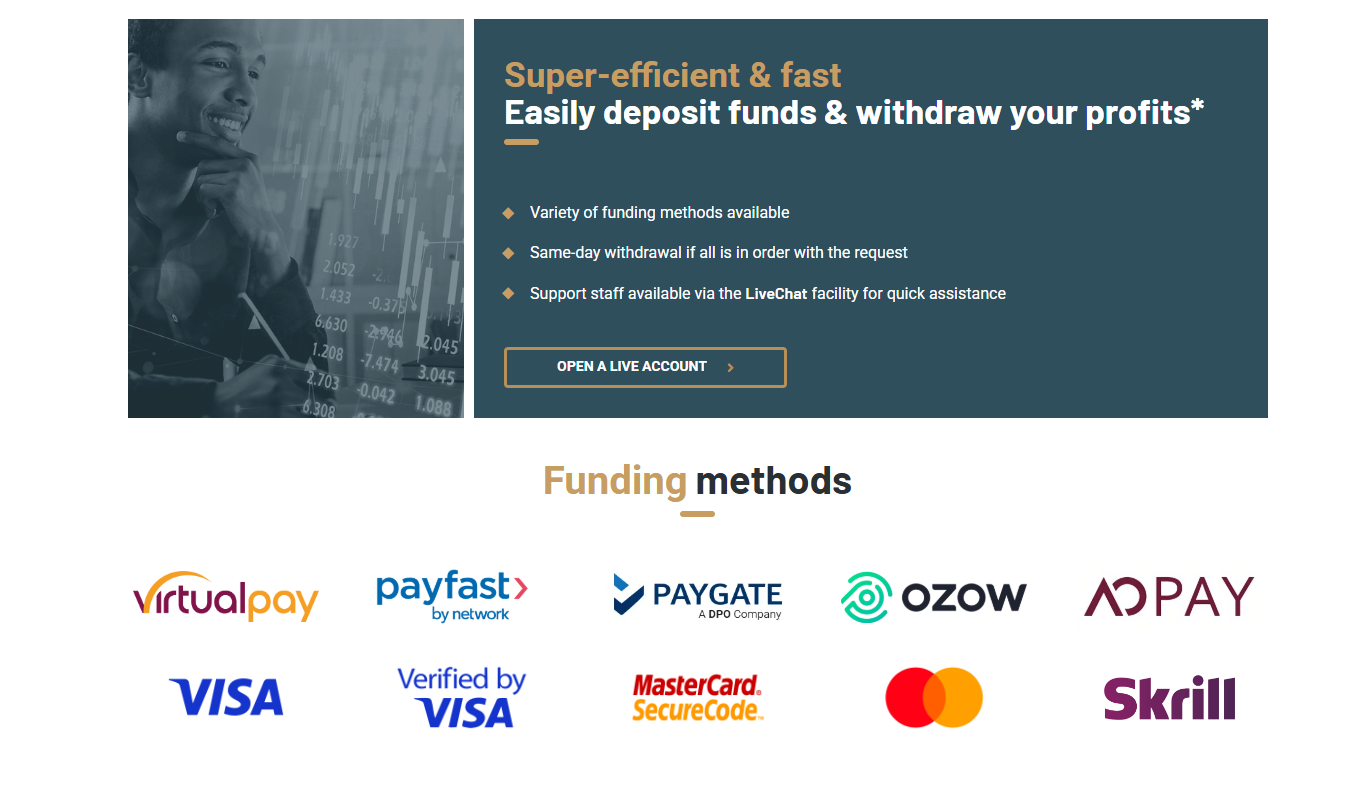
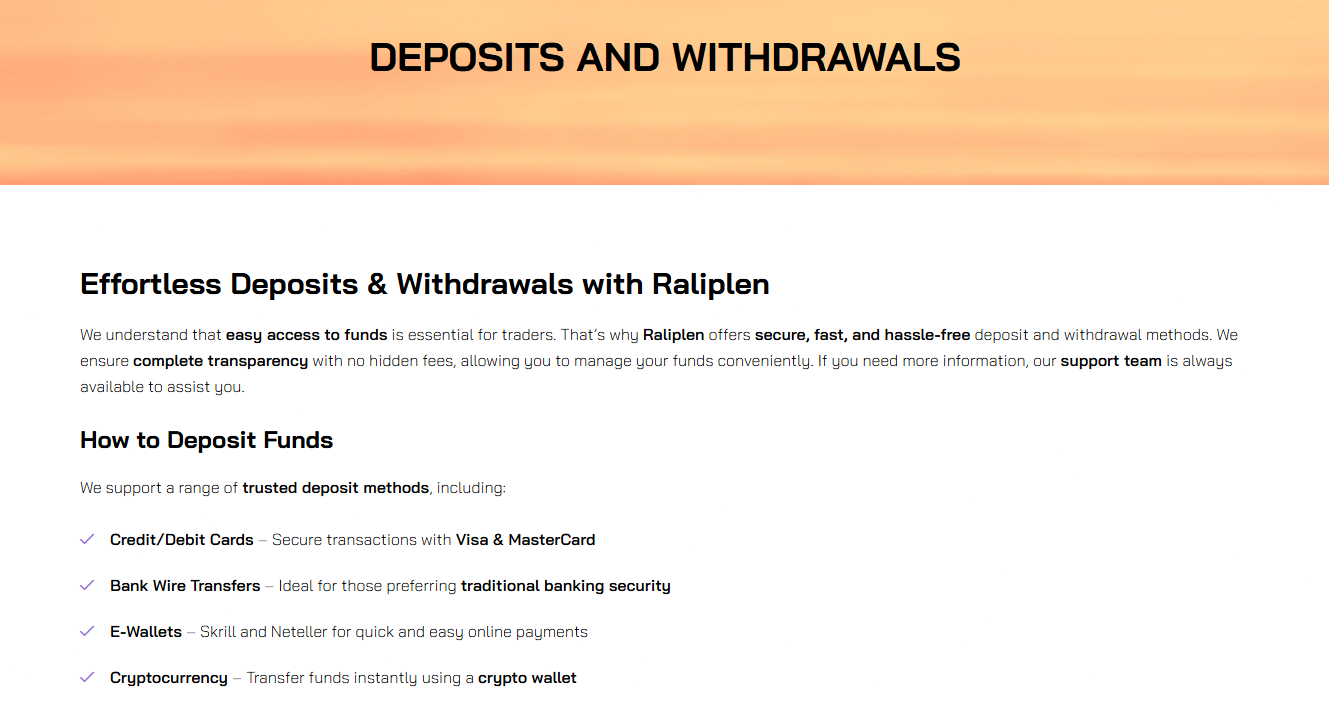
  • Funding methods: Cards (Visa/Mastercard), bank transfer, crypto, and sometimes Apple/Google Pay intermediaries.
  • Withdrawal reality: Numerous accounts describe a predictable pattern: small early “test” payouts (to build trust), followed by rejections, delays, or fabricated charges (15–50% “tax/fee/insurance”) once larger sums or profits are requested. These payments do not unlock the funds.
User feedback: recurring red flags

While some suspiciously generic five-star blurbs praise “low spreads” and “friendly support,” the overwhelming pattern in independent forums and complaint boards is consistent and damning:

  1. Frozen accounts on withdrawal requests. Users report sudden blocks or KYC hurdles appearing only after asking for payouts.
  2. Pressure from “personal managers.” Call-center “analysts” push clients to top up, promise safe or guaranteed returns (a regulatory red line), then disappear.
  3. Invented fees. “Taxes,” “clearance fees,” “insurance deposits,” or “liquidity unlock charges” are demanded upfront; paying them rarely results in any release of funds.
  4. Aggressive solicitation. Cold calls, email spam, lead-gen through social networks and even job sites; scripted tactics with office-noise ambience to simulate legitimacy.

Scam-marker checklist

Raliplen exhibits nearly all hallmarks of a boiler-room CFD scam:

  • No legal entity disclosed; no company number, no audited accounts, no regulator.
  • Brand-new domains, rapidly replaced or supplemented (.com → .net) as reputation deteriorates.
  • White-label webtrader on a third-party host (aternlyx.tech), a telltale of scam networks that recycle the same back-end for many “brands.”
  • Unrealistic leverage (1:500) and vague “VIP” tiers with marketing bonuses.
  • Opaque pricing/costs: no detailed instrument specs, swaps, or stable T&Cs.
  • Withdrawal obstruction: fabricated fees, shifting rules, and unilateral term changes.
  • Evidence-free claims of global reach, licensing compliance, and round-the-clock expert support.
  • Regulatory warnings already issued in multiple jurisdictions.

Likely links to a wider scheme

The shared infrastructure (the aternlyx.tech web terminal), recycled marketing copy, UK virtual addresses, and +44 20… phone lines strongly suggest Raliplen is one of several interchangeable labels operated by the same boiler-room apparatus. Regulators often publish group warnings, listing Raliplen alongside similarly structured sites that emerged within the same timeframe and exhibit identical behavior patterns.
Conclusion on Raliplen

Raliplen is not a legitimate broker. It is unregulated, publicly warned against by multiple authorities, and displays the full pattern of a high-risk, likely fraudulent operation: anonymity, engineered trading environment, hard-sell deposit tactics, and systematic withdrawal obstruction. There is no client-fund protection, no credible oversight, and no reason to believe profits (or even principal) are ever safely withdrawable.

Do not deposit with Raliplen. If you are researching it for an investment, treat the brand as avoid at all costs.

If you already deposited: immediate steps

  1. Stop sending money and cut contact with “managers.”
  2. Document everything (screenshots, emails, chat logs, call records, transaction receipts).
  3. Card/bank transfer: Contact your bank immediately to request a chargeback (reason code: fraud/misrepresentation). Provide your documentation.
  4. Crypto transfers: Record the transaction hashes; engage your local cybercrime unit and consider reputable blockchain-analytics services via law enforcement or your counsel.
  5. File reports with your national regulator and the authorities that already issued warnings (e.g., ASC, BCSC, AMF, FSMA).

Beware “recovery” scams—cold callers or websites promising to get your money back for an upfront fee are almost always secondary fraud.
Brevis Technology Review 2025

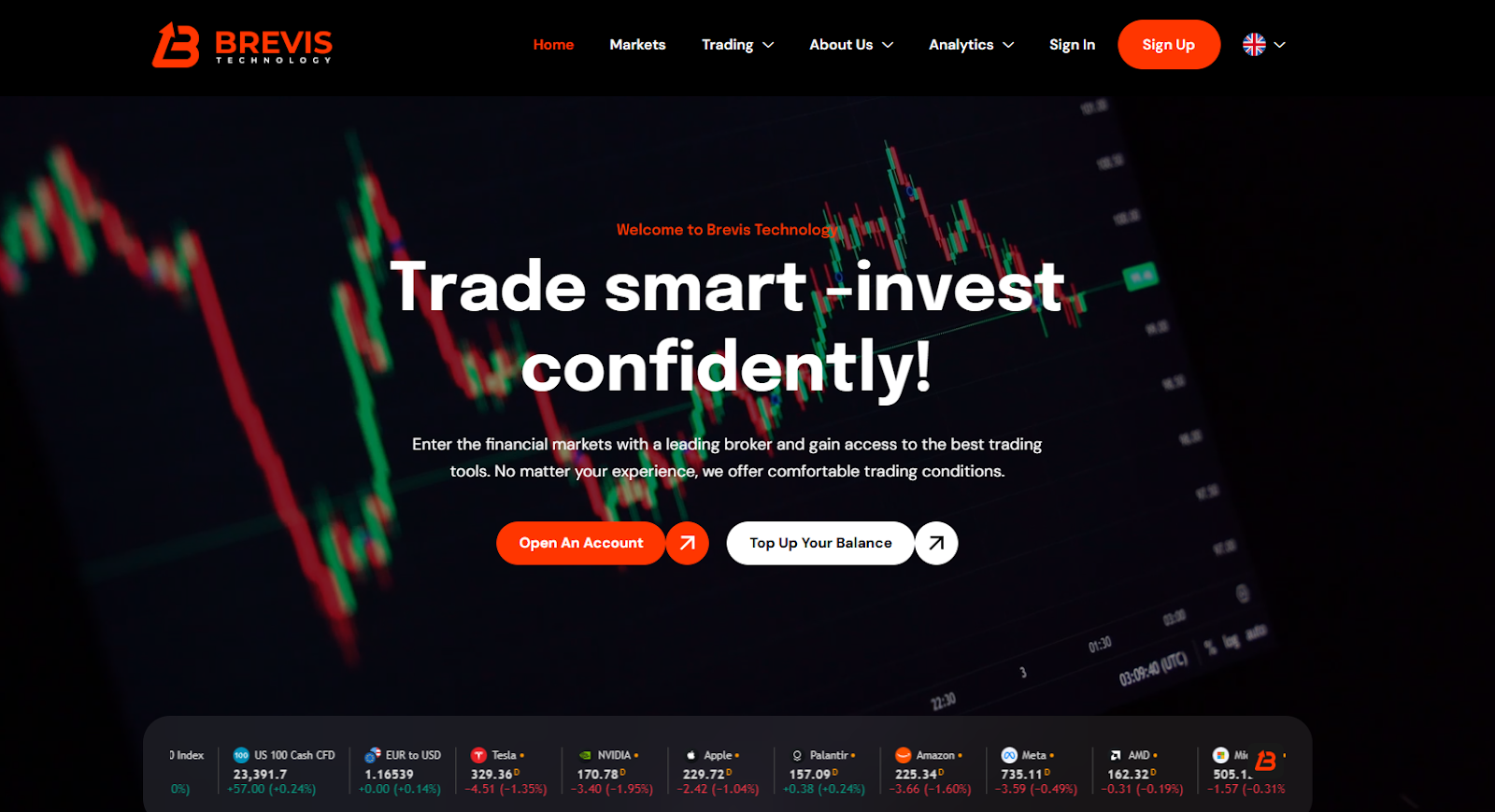
Brevis Technology (brevistechnology.co) is a recently launched online trading platform that promotes itself as an innovative global broker. Behind the glossy website and promises of high returns, however, lies a troubling reality. Our investigation reveals a classic case of an unregulated “boiler room” operation, designed to lure unsuspecting investors and prevent them from ever withdrawing their funds.

This review examines the broker’s registration details, trading conditions, reputation, and the clear red flags that categorize Brevis Technology as a fraudulent scheme.

Registration and Legal Information

Brevis Technology’s domain was registered only on June 13, 2025, making it a very young and untested platform. Despite claims of “operating since 2014,” the website’s short history proves otherwise.

The company attempts to present legitimacy by displaying a Legal Entity Identifier (LEI) code belonging to Brevis Premere Capital AB, a Swedish IT consulting firm established in 2014. However, no evidence connects this legitimate Swedish entity with Brevis Technology. In fact, no records in the FCA, CySEC, or other reputable regulators list Brevis Technology as a licensed broker.

Even more concerning, the Bank of Russia officially blacklisted Brevis Technology on August 28, 2025, citing signs of illegal financial activity. The site’s domain is privately registered in the U.S. with no trace of the actual owners, another hallmark of a scam operation.

Ownership and Management

Brevis Technology discloses no information about its owners, executives, or corporate structure. There is no “About Us” section, no team introduction, and no verifiable corporate address.

The supposed connection to Brevis Premere Capital AB is almost certainly fabricated to mislead investors. In reality, the project appears to be run by anonymous offshore operators who deliberately conceal their identities. Promotional articles online even claim that the broker is “licensed and globally recognized”—a direct contradiction to verifiable facts.

Trading Conditions and Platform

Platforms

Brevis Technology advertises a “powerful platform” and mentions WebTrader access. Some promotional content refers to MetaTrader, but no proof exists that MT4/MT5 is supported. In practice, traders are likely given access to a basic web-based simulator designed to imitate real trading.

Assets

The broker claims to offer a wide range of instruments:

  • Cryptocurrencies
  • Stocks
  • Precious metals
  • Forex pairs
  • CFDs on indices

However, trade execution and price feeds are entirely controlled by the broker, meaning clients are never connected to real markets.

Account Types

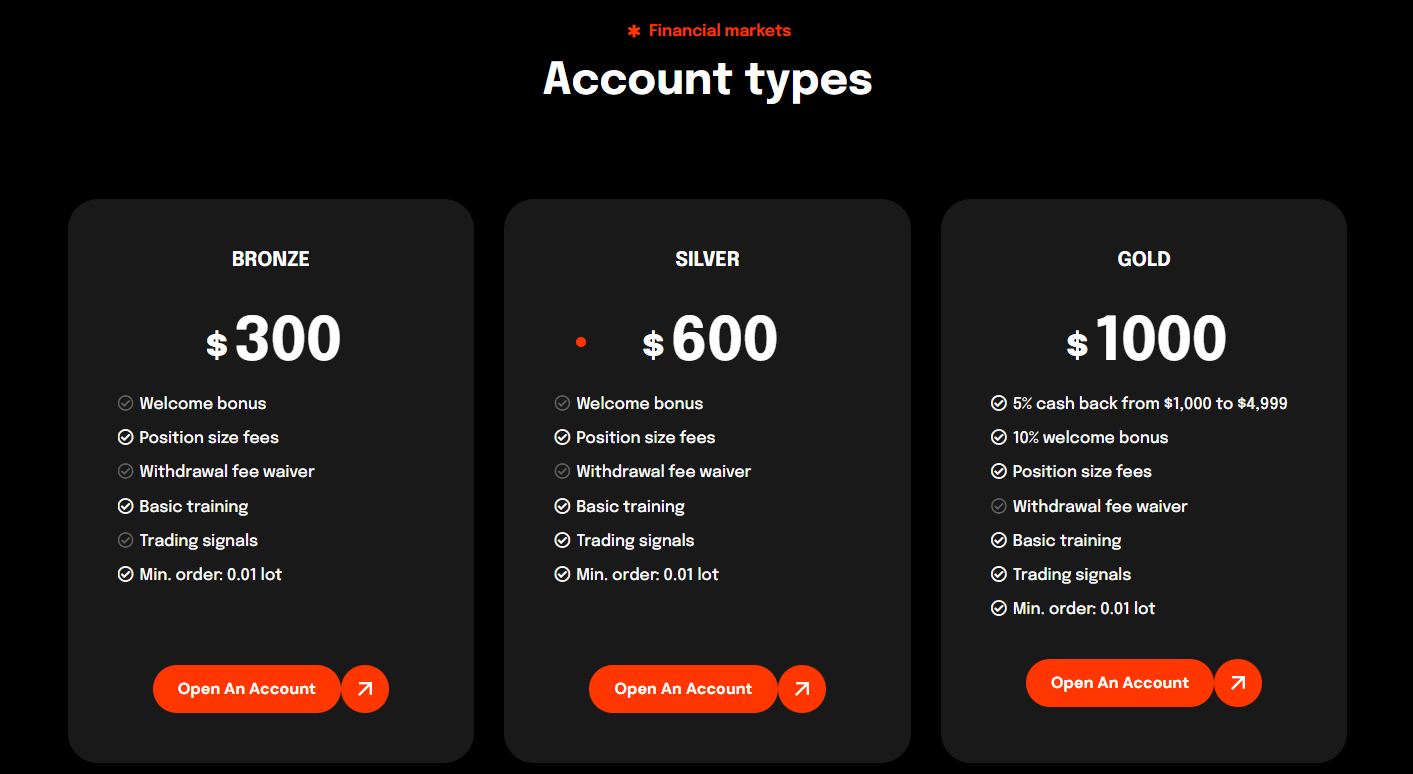
Brevis Technology offers six different account tiers, each tied to progressively larger deposit requirements. The entry-level Bronze account starts at $300 and comes with only basic trading education, while the Silver account at $600 adds weekly market analysis and access to broker-provided signals.

From there, the Gold account requires a $1,000 deposit and includes a 5% cashback, a 10% welcome bonus, and a basic educational course. 

The Platinum account raises the bar to $5,000, promising higher bonuses, additional cashback options, and the services of a personal account manager.

At the upper end, the Diamond account demands a massive $50,000 deposit, offering “advanced training,” direct access to analysts, and claims of “no withdrawal fees.” Finally, the VIP account sits at the top with a staggering $200,000 minimum, marketed as providing personalized service, a 25% welcome bonus, and premium-level perks.

The entire account structure is clearly designed to pressure traders into depositing increasingly larger sums. The so-called “bonuses” act as a trap: once accepted, they impose strict conditions that require traders to generate unrealistic trading volumes before being allowed to withdraw funds.

Deposits and Withdrawals

The broker emphasizes cryptocurrency payments (BTC, ETH), occasionally mentioning cards or bank transfers. In reality, most clients report being forced to deposit via crypto—an irreversible payment method.

Withdrawals are practically impossible. The broker requires a minimum balance of $50,000 before any withdrawal is allowed—an absurd condition. Even then, clients report being asked to pay fake “taxes” or “verification fees” before requests are processed.

Reputation and Client Feedback

Brevis Technology’s reputation is overwhelmingly negative. Dozens of reviews across Trustpilot, Russian-language forums, and personal accounts describe identical scam patterns:

  • Blocked accounts and ignored withdrawals – clients can deposit freely, but withdrawal requests result in sudden “verifications” or account freezes.
  • Surprise fees – victims are asked to pay fabricated taxes, insurance fees, or AML checks. One client was told to open a Swiss bank account to retrieve funds.
  • Loss through “managers” – traders who allowed “analysts” to trade on their behalf quickly saw their accounts wiped out.
  • Aggressive sales tactics – initial cold calls convince victims to deposit small sums, after which “retention managers” push for larger deposits, often with promises of doubling the investment.

For example:

  • A Polish client, Tymon, reported being shown fake profits before being asked to pay multiple fees for withdrawal. Once he refused, communication ceased.
  • Another client, Marek, dealt with an “analyst” via WhatsApp who showed account growth, but Marek never recovered either profits or principal.
  • Russian users describe Brevis Technology bluntly: “You can deposit as much as you want, but when you try to withdraw—it’s impossible.”

The few positive reviews online appear to be fabricated or paid promotions, as they conflict with the overwhelming majority of scam reports.

Scam Tactics and Red Flags

Brevis Technology exhibits every sign of a fraudulent broker:

  • No regulation – blacklisted by the Bank of Russia.
  • Anonymity – no ownership details, fake LEI used to create legitimacy.
  • Crypto-only funding – ensures deposits cannot be reversed.
  • Unrealistic withdrawal rules – $50,000 minimum balance, bonus restrictions.
  • Aggressive cold-calling – typical boiler-room strategy.
  • False promises – “guaranteed profits,” large bonuses, “premium” accounts.
  • Affiliate/referral schemes – recruiting new victims to sustain the scam.

These tactics align Brevis Technology with other fraudulent projects, including platforms like Alrakamiya and BigArizonaCo, suggesting a broader organized scam network.

Domain and Technical Details

  • Domain: brevistechnology.co
  • Registered: June 13, 2025 (Porkbun, U.S.)
  • Hosting: Cloudflare, U.S. servers
  • Owner details: Hidden by “Private by Design, LLC”

The website itself appears to be built on a simple WordPress template, filled with generic marketing text and stock images. The use of a recently issued LEI code from an unrelated Swedish company further highlights the deceptive practices.

Conclusion on Brevis Technology

Brevis Technology is a fraudulent broker. It operates without licenses, hides its true operators, and exploits clients through impossible withdrawal conditions and aggressive deposit schemes.

Key Takeaways:

  • No regulatory oversight, already blacklisted in Russia.
  • Fabricated claims of legitimacy using unrelated companies.
  • Consistent client complaints of fraud and theft.
  • Strong indicators of being part of a larger scam network.

Verdict: Brevis Technology is a scam broker. Investors should avoid it entirely and treat any contact from its representatives as a red flag. Those who have already deposited funds are advised to gather evidence, contact their banks for chargebacks, and report the fraud to authorities immediately.

TekTicks Broker Review

When researching a broker, the first rule for investors is simple: check the licenses, the registration, and the reputation. In the case of TekTicks (operating via tekticks.com and webtrader.tekticks.com), a deeper examination reveals that behind the glossy website and bold promises lies an offshore entity without proper regulation, questionable practices, and numerous client complaints.

This review will cover the company’s registration details, licensing claims, trading conditions, complaints from clients, and the overall risk of working with this broker.

Company Background and Licensing Status

TekTicks presents itself as an international brokerage offering access to global financial markets. According to its own promotional materials, the company is regulated by both the UK Financial Conduct Authority (FCA) and the Cyprus Securities and Exchange Commission (CySEC).

However, investigations into the official registries of both regulators confirm:

  • No valid licenses exist under the numbers TekTicks provides.
  • The company’s actual registration is in the Marshall Islands (number 98765), a jurisdiction widely used by unregulated offshore firms.
  • Despite marketing itself as a broker with “over a decade of experience,” the domain tekticks.com was registered only recently, suggesting it is a short-term project rather than a long-standing financial institution.

Conclusion: TekTicks has no legitimate regulatory oversight, making it impossible for investors to rely on legal protections.

Trading Conditions and Account Types

The TekTicks website advertises access to forex, CFDs, commodities, and cryptocurrencies, though the details of spreads, leverage, and execution quality are vague.

From available information, the company appears to offer several tiers of accounts:

  • Basic Account: Lower deposit requirements, minimal features.
  • Advanced Account: Higher deposits, promises of tighter spreads, and access to a “personal account manager.”
  • VIP Account: Large minimum deposits (tens of thousands), exclusive “premium opportunities,” and supposed faster withdrawals.

These differences seem largely superficial. In practice, conditions are subject to sudden unilateral changes by the broker, as TekTicks’ own agreement gives them the right to modify terms without client consent.

The Platform — More Imitation Than Trading

Clients are directed to trade via TekTicks’ web-based platform (webtrader.tekticks.com). While it looks modern at first glance, numerous complaints highlight serious problems:

  • Delayed order execution that does not reflect real market speed.
  • Price quotes diverging from market data, raising suspicions that prices are manipulated.
  • Lack of transparency on whether trades are ever executed on external markets — strong evidence that TekTicks is a “bucket shop,” only simulating trades internally.

Complaints and Reported Issues

Analysis of user feedback reveals a repeating pattern of misconduct:

  1. Withdrawal denial. Almost all complaints involve clients being unable to withdraw any funds.
  2. Demand for extra payments. Clients are asked to pay “taxes,” “insurance,” or “commissions” before withdrawals, sometimes up to 30% of the requested amount.
  3. Fake confirmations. The support team provides fabricated screenshots of transactions to reassure clients, though no funds are ever delivered.
  4. Aggressive sales tactics. Account managers pressure clients to deposit more money, often using emotional manipulation and false promises of guaranteed profit.
  5. Account blocking. Once clients refuse further deposits, accounts are locked and access to the platform disappears.

Reputation and Market Warnings

  • Regulatory status: No official warnings have yet been issued by FCA, CySEC, ASIC, or BaFin, but given the evidence, TekTicks is likely to be flagged in the near future.
  • Community reputation: On trading forums, TekTicks already appears in blacklists and is widely described as a scam or “bucket shop.”
  • Fraudulent ecosystem: The design and functionality of the TekTicks site closely mirror other known offshore scams, suggesting it may be part of a larger fraudulent network.

Typical Red Flags With TekTicks

  1. Claims of regulation by respected authorities without proof.
  2. Offshore registration in the Marshall Islands.
  3. Excessive withdrawal fees of up to 30%.
  4. Contract clauses banning clients from legal action.
  5. Constant pressure to deposit more funds.
  6. Numerous unresolved complaints from real investors.

Conclusion on TekTicks 

TekTicks is not a legitimate broker but an offshore fraud scheme designed to extract money from unsuspecting clients.

  • Licensing: No real regulatory authorization.
  • Operations: Offshore registration, anonymous ownership, and fake credentials.
  • Platform: Price manipulation, delayed orders, and no evidence of real trading.
  • Reputation: Negative across forums and review platforms, with dozens of verified victim stories.

Recommendation: Avoid TekTicks at all costs. Do not open an account, transfer funds, or share personal documents. Investors who have already deposited should immediately cease communication, collect evidence, and seek professional assistance in recovering their funds.

ElazarCapital Broker Review 

The financial services industry has no shortage of brokers claiming “years of experience” and “world-class standards.” ElazarCapital, operating via its website elazarcapital.com, fits neatly into this mold. It markets itself as an international broker offering advanced technology, diverse trading instruments, and a team of professional analysts.

But in finance, marketing often tells only half the story. When examining ElazarCapital beyond its own promotional claims, a very different picture emerges — one filled with offshore registrations, missing licenses, restrictive agreements, and repeated complaints from investors who have lost access to their money.

This review provides a comprehensive look at who ElazarCapital really is, how it operates, and why industry watchdogs and clients alike have flagged it as a dangerous broker.

Company Profile

  • Name: ElazarCapital
  • Website: elazarcapital.com
  • Stated Headquarters: Offshore registration in Saint Vincent and the Grenadines
  • Claimed Experience: “Years of global market operations” (no proof provided)
  • Regulatory Status: Unlicensed; flagged by the Bank of Russia as having characteristics of a pyramid scheme
  • Primary Offerings: Forex, CFDs on stocks and indices, commodities, and cryptocurrencies
  • Trading Platforms: Proprietary web terminal and mobile application

The domain was registered only recently, which contradicts the firm’s claims of “many years” in operation. Offshore jurisdictions such as Saint Vincent and the Grenadines are notorious for requiring minimal documentation to set up a financial services business, making them a favored base for unregulated brokers.

Regulatory and Legal Standing

A legitimate brokerage will hold licensing from recognized regulators such as the FCA (UK), CySEC (Cyprus), ASIC (Australia), or CFTC/NFA (USA). ElazarCapital does not appear in any of these registries.

Instead, the company relies on its offshore incorporation as a veneer of legitimacy. Importantly, the Bank of Russia has issued a public warning, identifying ElazarCapital as a company showing signs of fraudulent activity and pyramid-like behavior.

This lack of oversight means that clients have no third-party protection, no compensation schemes, and no way to legally challenge the broker should funds be withheld.

Trading Platforms

Unlike reputable firms that offer MetaTrader 4, MetaTrader 5, or cTrader, ElazarCapital provides access only through a proprietary web-based platform and a mobile app.

Reported issues include:

  • Limited functionality compared to industry-standard platforms.
  • No third-party verification of price feeds or order execution.
  • Spreads and quotes that often deviate from real market conditions.
  • No possibility to integrate automated strategies (EAs).

Such “in-house” platforms are commonly used by fraudulent brokers to simulate trades internally without routing them to actual liquidity providers. This allows them to control outcomes, block profits, or manipulate displayed account balances.

Account Types and Deposits

ElazarCapital divides its clients into tiers based on deposit size:

  • Basic Account: starting around $250, with limited features.
  • Mid-Tier Accounts (Silver/Gold): requiring $1,000–$10,000, marketed with “better spreads” and personal account managers.
  • VIP / Premium Accounts: deposits from $25,000 and above, with promises of exclusive strategies and priority withdrawals.

The reality, however, is that no substantive improvements are offered. The tiered system primarily serves as a sales funnel, encouraging clients to keep depositing more under the illusion of unlocking higher-level benefits.

Trading Instruments

According to promotional material, the broker offers a wide range of markets:

  • Forex: Major, minor, and some exotic pairs
  • Stocks (CFDs): Well-known US and European companies
  • Indices: Including S&P 500, NASDAQ, and DAX
  • Commodities: Gold, silver, oil, and agricultural goods
  • Cryptocurrencies: Bitcoin, Ethereum, and select altcoins

Without proper regulation or transparency, there is no certainty these instruments are actually tradable. Many unlicensed brokers simply mirror market prices within their platforms without executing real trades.

Trading Conditions and Fees

ElazarCapital advertises “competitive spreads” and “low commissions,” but fails to publish concrete details. Complaints from clients reveal:

  • Spreads that widen significantly even during calm market conditions.
  • Withdrawal fees as high as 25–30% of the requested amount.
  • Penalties of up to 20% for closing an account within the first year.
  • Hidden charges introduced retroactively at the withdrawal stage.

Such opaque practices make it impossible for traders to calculate their actual costs and reflect the broker’s ability to change rules arbitrarily.

Education and Research Tools

ElazarCapital promotes its “educational support” and “daily analysis,” but these services lack depth:

  • Educational materials are generic articles available freely online.
  • “Market analysis” is often outdated or recycled from public sources.
  • One-on-one “consultations” with analysts are largely used to push clients to deposit larger sums.

This section appears more like a marketing pipeline than a genuine effort to help clients trade responsibly.

Deposits and Withdrawals

  • Deposit Methods: bank cards, wire transfers, and select e-wallets.
  • Withdrawal Policy: officially 3–5 business days, but in reality often delayed indefinitely.
  • Additional Fees: clients report being asked to pay commissions, taxes, or verification costs before withdrawal requests are processed.
  • Segregation of Funds: no evidence that client funds are held separately from company accounts.

The withdrawal stage is the most problematic area, with numerous reports of accounts being frozen or clients pressured to make additional payments before access is restored.

Connections to Other Fraudulent Entities

Technical analysis of the domain and website structure reveals similarities with other discredited brokers:

  • Shared hosting environments and infrastructure.
  • Identical website layouts and portal designs.
  • Legal agreements that match, word-for-word, documents from previously blacklisted firms, with only the name replaced.

This suggests ElazarCapital may be part of a larger network of fraudulent operators who repeatedly rebrand to evade detection.

Customer Support

While the company claims to offer 24/7 multilingual support, users report that communication quickly deteriorates once withdrawal requests are made. Initial contact is frequent and persuasive (to encourage deposits), but afterward support becomes evasive or unresponsive.

Conclusion on ElazarCapital 

ElazarCapital markets itself as a global broker with cutting-edge tools and premium service. In reality, it is an unregulated offshore entity operating without accountability, manipulating clients through vague contracts, simulated platforms, and aggressive marketing tactics.

With a history of blocked accounts, withheld withdrawals, hidden fees, and regulator warnings, ElazarCapital demonstrates all the hallmarks of a fraudulent brokerage scheme.

Verdict: Investors should avoid ElazarCapital entirely. The combination of offshore registration, no licensing, opaque terms, and numerous client complaints makes this broker a significant financial risk.

RossKitWay Broker Review 

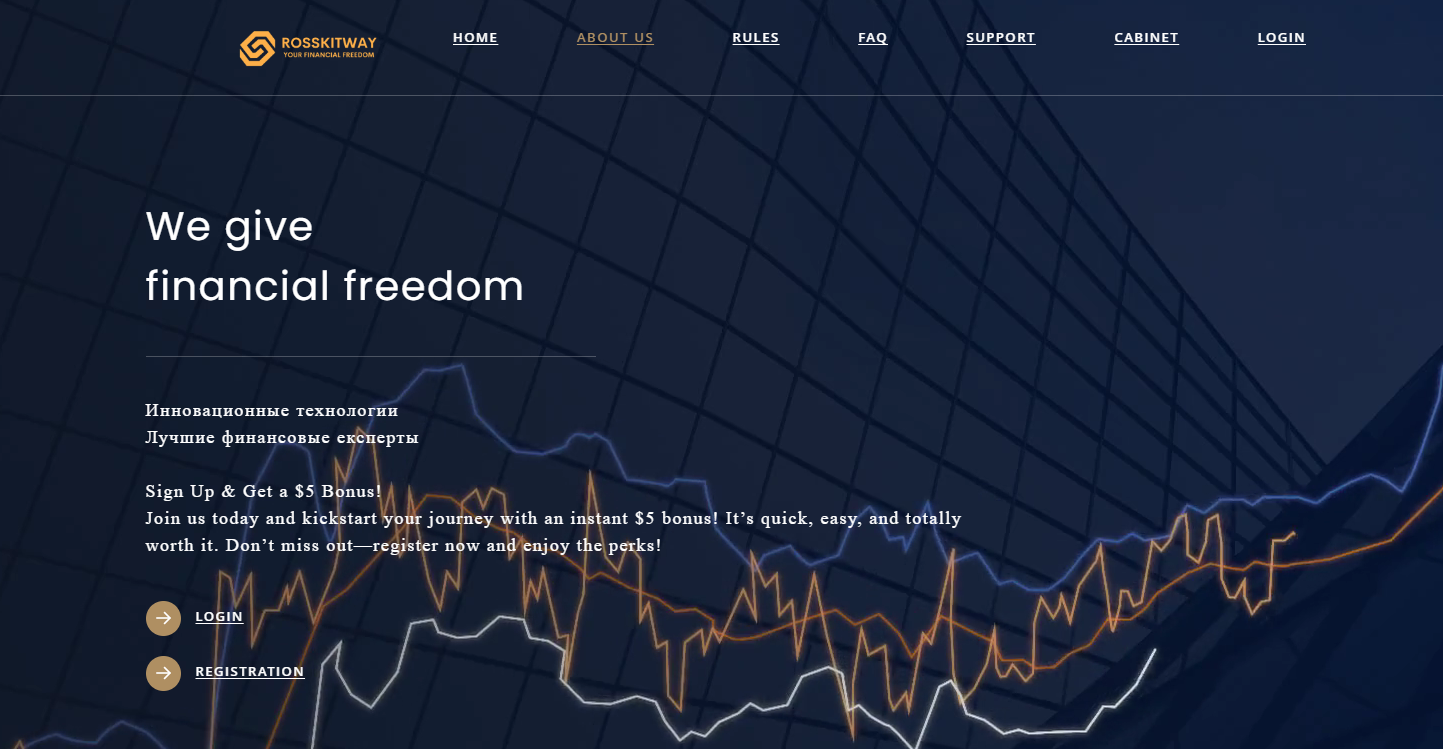
RossKitWay (rosskitway.com) markets itself as a “China Trust Company” that delivers high returns via investments in energy, tech, and finance. In reality, the project combines offshore opacity, fabricated licensing narratives, and daily-yield plans typical of HYIPs. The Central Bank of Russia has formally flagged RossKitWay for signs of a financial pyramid, confirming the platform operates illegally and poses material loss risk to clients. 

Company Snapshot

  • Legal posture (claimed): “Completely legal and registered in China,” with inconsistent company numbers shown on different pages (#14825871 and #472819305126) and a vague address “Dongcheng, Beijing.” Contact is a generic [email protected].
  • Jurisdictional reality: No authorization from the UK FCA, CySEC, or other major regulators; the Bank of Russia added RossKitWay to its warning list on 01 Aug 2025 for signs of a financial pyramid.
  • Launch claims: The site’s own homepage claims “Start Jun 24, 2024” and shows “Last update Aug 19, 2025,” reinforcing that this is a recent web brand. 

Regulation & Licensing

RossKitWay provides no verifiable license in any recognized financial center. Its China-registration claims are internally contradictory (two different numbers) and unsupported by regulator records. The Bank of Russia entry lists RossKitWay, website rosskitway.com, and explicitly tags it with “Signs of financial pyramid.” This is a strong, official indicator that the entity engages in illegal financial activity.

Independent risk-screening sites also assign very low trust due to hidden ownership, recent domain, and other risk markers—consistent with scam typologies. 

Platform & Technology

RossKitWay does not offer industry-standard trading software (no MT4/MT5, cTrader, or downloadable terminals). All activity is channeled through a proprietary web dashboard. The website promises “modern investing,” “advanced technologies,” and even touts an “EV SSL certificate,” but provides no technical specifics about order routing, LPs, or execution venues—hallmarks of a simulated, closed-loop interface rather than a true brokerage stack.

Accepted payment rails on the site are almost entirely crypto/e-money (Bitcoin, Litecoin, Tron, USDT TRC20/ERC20/BEP20, BNB, Ethereum, ePayCore)—methods favored by high-risk schemes for their irreversibility. 

Instruments & Market Access (as advertised)

RossKitWay advertises exposure to Forex pairs, CFDs on stocks and indices, commodities, renewables/energy, and crypto. Yet there is no disclosure of real market connectivity (exchanges, ECNs, prime brokers), no trade confirmations, and no independent pricing references. In short, the “instruments” look like internal ledger entries in a web portal, not regulated market products. 

Accounts, Plans & Yields

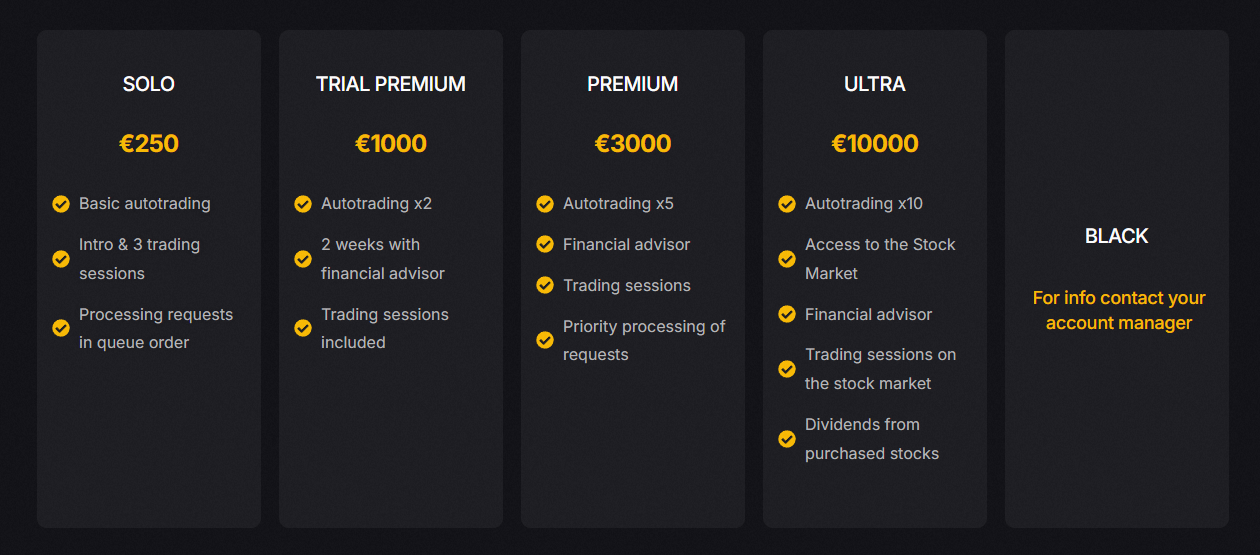
Instead of normal account tiers with transparent fees and leverage, RossKitWay pushes daily-profit “plans.” On the homepage calculator, plans run from 0.70% to 2.20% daily, and a top “Share Holder – 4.00% daily” option appears—numbers that imply triple- to quadruple-digit annualized yields and are incompatible with regulated investing. There’s also a 20% affiliate commission, which aligns incentives to recruit deposits rather than trade. 

Examples displayed on the site:
• “Newbie Silver – 0.70% daily,” “Experienced Platinum – 2.00% daily,” “Sage Platinum – 2.20% daily,” “Share Holder – 4.00% daily.” 

Deposits, Withdrawals & Bonus Mechanics

  • Promotional hook: “Sign up & get a $5 bonus.” This kind of micro-bonus is common in HYIP funnels to lower the barrier to first deposit.
  • Funding rails: Primarily crypto + ePayCore (no reputable fiat PSPs, no safeguarded client-money arrangements).
  • Terms carve-outs: The “Rules/Agreements” page declares RossKitWay is “not a licensed bank or a security firm,” claims the service is a “private program” exempt from US securities laws, and reserves unilateral rights to change rules/fees and suspend accounts for up to 90 business days for “checks.” These clauses are routinely used to delay or deny withdrawals.

Fees, Spreads & Trading Conditions

No transparent schedule of spreads, commissions, swaps, margin, or leverage is published. There is no demo to validate pricing or execution, and no third-party auditing of performance or reserves. In regulated brokerage, these omissions would be unacceptable. Here they serve to keep economics opaque and unverifiable. 

Customer Support & Disclosures

Public contact details are limited to a generic email; there’s no physical office verification, no phone, and a Telegram link stub. The “About” and footer oscillate between two different “China company” numbers—another internal inconsistency that undermines credibility. 

Reputation & User Feedback

Open-source monitoring shows scarce but consistently negative user feedback: on-screen balances appear to grow, but withdrawals are blocked or conditioned on extra payments; after resistance, communication stops. This pattern matches HYIP/Ponzi mechanics rather than brokerage.

Domain & Brand Forensics

The site presents itself as a new brand (self-stated start June 24, 2024), with hidden WHOIS data and stock imagery—consistent with disposable, short-lived schemes. Independent scanners flag low trust due to anonymity and risk signals.

Network Linkages (Clone Indicators)

RossKitWay’s layout, wording, and legal boilerplate match patterns seen across previously exposed “investment” clones: copy-pasted policies, generic slogans, and the same crypto rails. This is a known tactic—rebrand, relaunch, repeat—once complaints and regulator warnings accumulate. 

Risk Assessment (What It Means for an Investor)

  • Regulatory status: Officially flagged for pyramid traits by the Bank of Russia; absent from FCA/CySEC registers.  
  • Product design: Daily-yield “plans” up to 4% per day—a HYIP hallmark, not investing.
  • Ops model: Web-only interface, crypto funding, no execution transparency—indicative of an internal ledger rather than access to markets.
  • User outcomes: Reports of blocked withdrawals and pay-to-withdraw demands. 

Bottom line: This is not a broker in any regulated sense. It is a high-risk deposit scheme with a trading veneer.

Conclusion on RossKitWay 

RossKitWay is not a genuine broker but rather an offshore investment scheme designed around HYIP-style daily yield promises and pyramid mechanics. Despite presenting itself as a “trust company” with global reach, it has no licenses, no verified regulation, and no real trading infrastructure. Instead, clients are funneled into a proprietary web dashboard funded by cryptocurrency deposits, where account balances may rise on screen but withdrawals are systematically blocked or conditioned on additional payments.

The Central Bank of Russia’s official blacklist entry confirms that RossKitWay exhibits the traits of a financial pyramid. Combined with hidden ownership, copy-pasted legal texts, and unrealistic returns of up to 4% per day, the platform should be viewed as high-risk and fraudulent.

Final Verdict: Investors should avoid RossKitWay entirely. Any funds deposited are highly likely to be lost, with no recourse to regulators or legal protections. For safe investing, only brokers licensed by reputable authorities such as the FCA, CySEC, ASIC, or CFTC should be considered.

Pixocero Broker Review

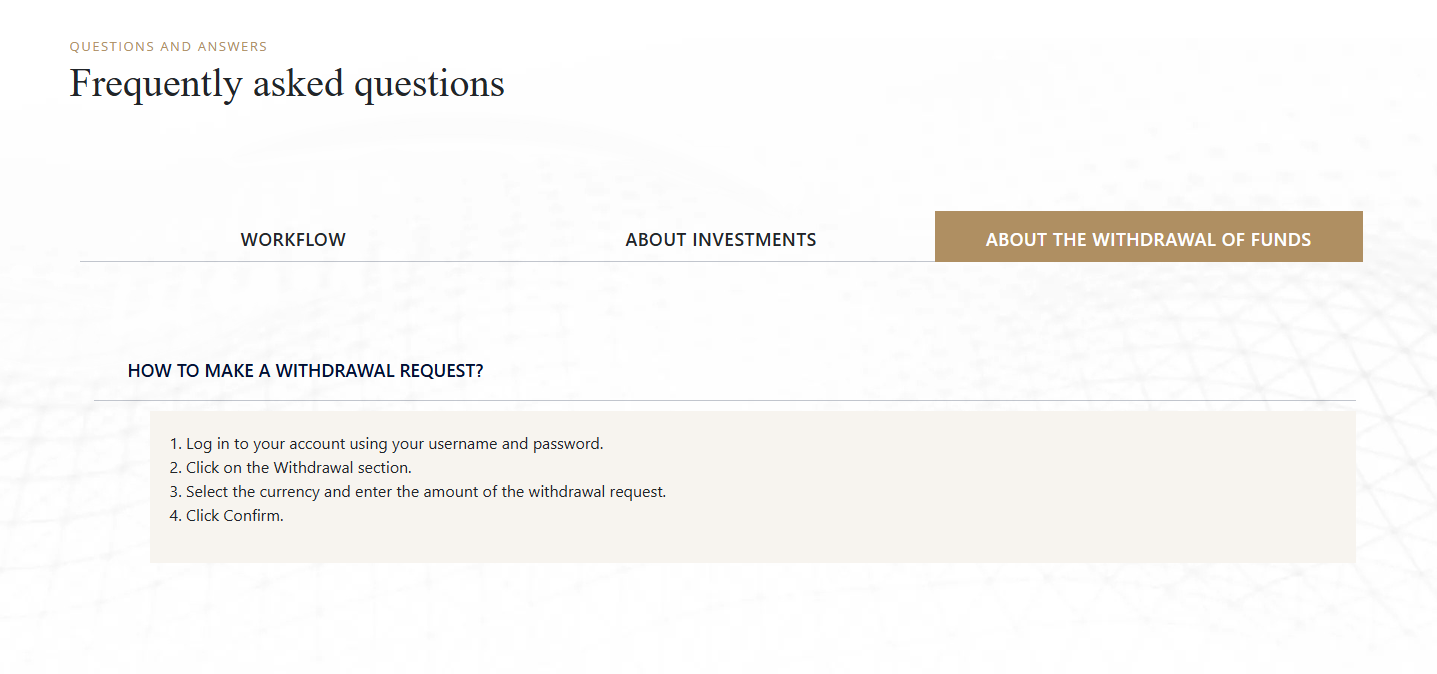
Pixocero, operating through the domains pixocero.pro and pixocero.online, portrays itself as a next-generation brokerage firm granting investors access to global financial markets. At first glance, the platform appears polished: promises of regulation, a team of “experienced analysts,” and advanced trading tools. However, beneath this façade, investigations reveal a disturbing picture. From non-existent licenses and offshore incorporation to fabricated staff profiles and consistent withdrawal issues, Pixocero demonstrates every hallmark of a scam operation rather than a legitimate broker.

This review examines Pixocero’s background, regulatory claims, trading conditions, customer complaints, and official warnings from regulators, providing a clear assessment of the risks involved.

Company Background and Registration

Pixocero claims to be a regulated international broker. However:

  • The CySEC license number (№43211), displayed on their website, does not exist in the official Cyprus Securities and Exchange Commission database.
  • The company hides its ownership structure. Both domains are registered through OffshoreProxy LLC in Saint Vincent and the Grenadines, an offshore zone notorious for unregulated financial activity.
  • WHOIS data is masked by privacy protection services, preventing identification of the real operators.
  • Domain registration records show the websites are less than one year old, indicating a short-term project designed to disappear once complaints accumulate.

Regulatory and Legal Status

  • Not regulated anywhere. Pixocero does not appear in the registers of CySEC (Cyprus), FCA (UK), ASIC (Australia), or AMF (France).
  • Blacklisted by the Bank of Russia. On August 5, 2025, the Central Bank of Russia officially added Pixocero (pixocero.pro and pixocero.online) to its warning list as a company showing signs of a financial pyramid. This is one of the strongest warnings a regulator can issue, confirming illegal activity.
  • No protective measures for investors exist, since offshore jurisdictions like Saint Vincent provide no financial oversight or compensation schemes.

Trading Platform

Pixocero does not use industry-standard platforms such as MetaTrader 4/5 or cTrader. Instead, clients are forced to trade via a proprietary web-based platform fully controlled by the company. This raises significant concerns:

  • Manipulated pricing: quotes can be altered in real time to engineer losses.
  • Execution delays: trades can be closed with artificial slippage to the client’s disadvantage.
  • Technical blocks: “system errors” often occur during withdrawal attempts.
  • Lack of independent verification: clients cannot cross-check prices with external market feeds.

In effect, the broker controls not only the client’s deposits but also the trading environment itself, making profitable trading nearly impossible.

Account Types and Trading Conditions

The platform advertises multiple account categories (Standard, Premium, VIP), but none of these accounts are described with transparent specifications. Instead, clients report:

  • No published spreads or commissions. Terms are vague and change without notice.
  • Minimum deposits are presented as “affordable,” but users are pressured into rapidly upgrading to larger balances under promises of access to “exclusive tools” or “expert strategies.”
  • Withdrawal restrictions: clients are required to provide multi-year income documentation (up to 8 years) and pay fabricated “taxes” or “insurance fees” — sometimes up to 90% of the requested withdrawal amount.

Such conditions are incompatible with legitimate brokerage practices.

Marketing and Client Recruitment

Pixocero’s acquisition strategy relies heavily on aggressive and deceptive marketing:

  • Social media campaigns on Facebook, Instagram, TikTok, and Telegram featuring “success stories” of supposed investors who doubled their money in weeks.
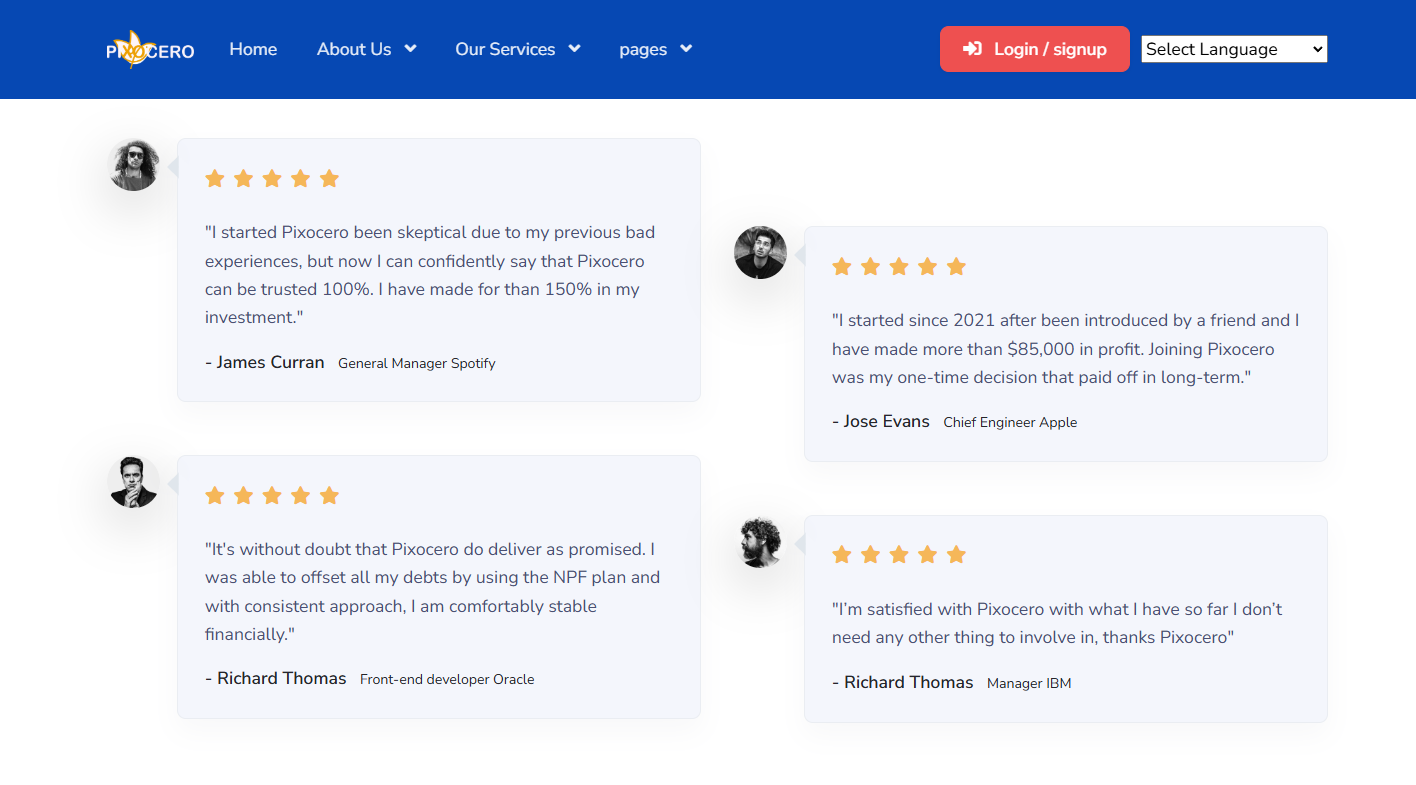
  • Fake testimonials with stock images or AI-generated photos.
  • Cold calls from “financial consultants” urging immediate deposits.
  • Webinars and presentations using fabricated charts and market data to project professionalism.

The focus is not on sustainable trading but on convincing victims to deposit quickly, without due diligence.

Psychological Pressure Tactics

Pixocero employs psychological manipulation to maximize client deposits:

  • Urgency: “The market is in the perfect entry point right now.”
  • Trust-building: allowing small initial withdrawals to build confidence.
  • Blame-shifting: “You didn’t follow our strategy, that’s why you lost.”
  • Loss recovery bait: offering to “unlock” accounts or restore funds if clients make additional payments.

Such tactics are classic in fraudulent operations, keeping victims emotionally engaged until their money is gone.

Key Red Flags Identified

  • Fake CySEC license number.
  • Offshore registration in Saint Vincent & the Grenadines.
  • Hidden ownership and young domains.
  • Blacklisted by the Bank of Russia.
  • Web-only platform prone to manipulation.
  • Withdrawal barriers with invented fees and document demands.
  • Numerous consistent customer complaints of lost funds.

Conclusion on Pixocero 

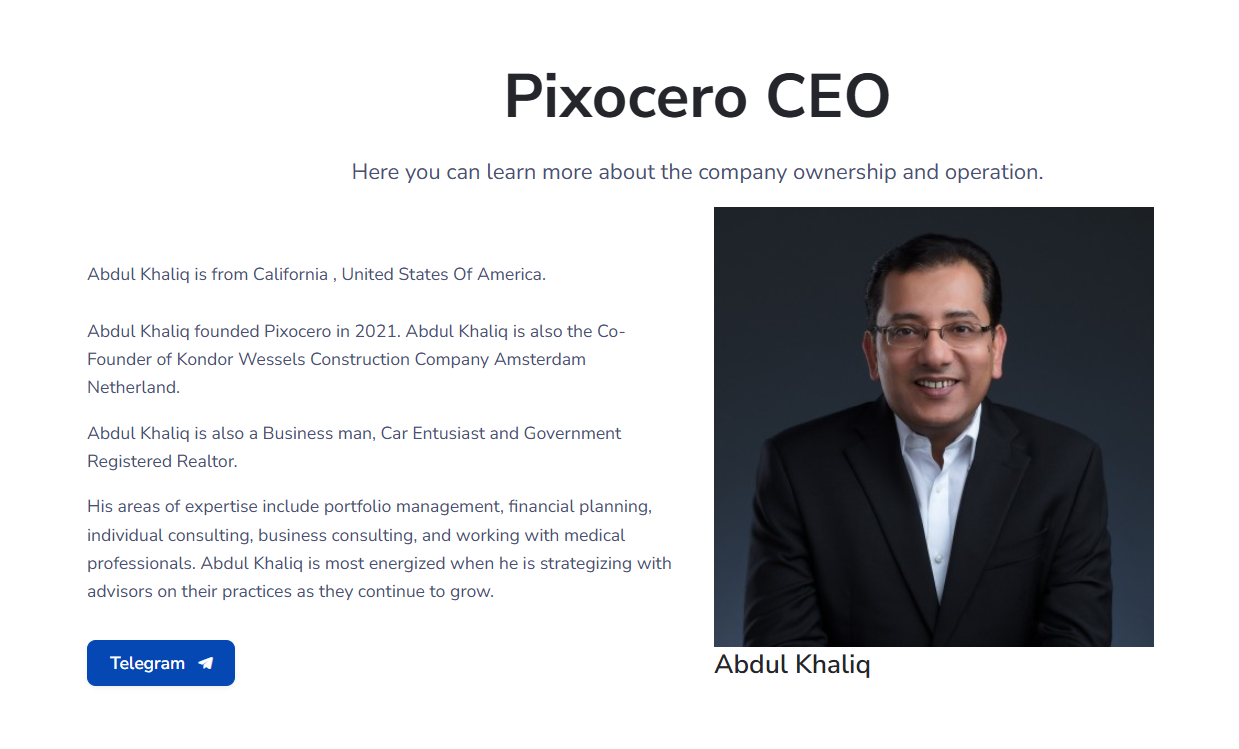
Pixocero is not a regulated broker, but a fraudulent operation posing as an investment platform. Its structure, behavior, and regulatory warnings confirm that it is designed to defraud clients. From fabricated licenses and AI-generated staff photos to manipulated platforms and blocked withdrawals, every aspect of Pixocero signals danger.

Final verdict: Pixocero is a scam broker. Investors should avoid any engagement with this company. Those who have already deposited funds should immediately stop communication, collect evidence, and seek recovery through chargebacks, police reports, and regulator complaints.

Cntly Broker Review 

In the world of online trading, brokers often distinguish themselves by transparency, regulatory compliance, and fair treatment of their clients. Unfortunately, Cntly, operating through cntly.co and m.cntly.co, fails to meet these standards. The company has presented itself as a European-regulated broker with innovative technology, yet closer inspection reveals offshore registration, fictitious licenses, and an association with a much larger network of websites — most notably Pocket Option. This review explores Cntly’s background, regulation, trading conditions, and client experiences to uncover why this broker is considered high risk.

Company Background and Registration

Cntly marketed itself as an international brokerage, claiming oversight from the Cyprus Securities and Exchange Commission (CySEC) under license number 34578. However, verification of CySEC’s official database shows no such license exists.

Further research reveals:

  • The company does not appear in the registers of respected regulators such as the FCA (UK), ASIC (Australia), or the Central Bank of Russia.
  • The original registration points to Saint Vincent and the Grenadines, a jurisdiction notorious for hosting unregulated brokers.
  • The connected brand Pocket Option is legally tied to PO Trade Ltd, incorporated in Saint Lucia, another offshore haven with limited financial supervision.

These details confirm that Cntly operates outside the oversight of recognized regulators, leaving clients without protection in case of disputes or insolvency.

Regulatory Warnings

Cntly’s lack of regulation has not gone unnoticed. On September 14, 2021, the Central Bank of Russia added cntly.co and several related domains, including those of Pocket Option, to its official blacklist of companies with signs of illegal financial activity.

Similarly, the French regulator AMF (Autorité des Marchés Financiers) placed Pocket Option on its list of unauthorized brokers, warning that the company offers financial services in France without permission.

These warnings carry weight: when two major regulators independently flag the same network of domains, it signals systemic non-compliance and potential fraud.

Network of Associated Projects

One of the most concerning aspects of Cntly is its link to a broader network of brokers operating under different names. Dozens of domains — such as pocketoption.com, po-trade.xyz, quotex-ru.com, and others — share identical design, functionality, and infrastructure.

The strategy is clear:

  • Domain rotation allows the group to bypass government blocks and continue attracting new clients.
  • Rebranding enables the operation to distance itself from negative reviews.
  • Uniform platforms make it easier to run the same trading model across multiple sites.

This pattern demonstrates that Cntly is not an isolated broker but part of a much larger scheme designed to obscure accountability.

Trading Conditions

At first glance, Cntly advertises attractive opportunities: binary options, CFDs, and access to financial markets through a sleek web and mobile platform. However, the fine print reveals highly unfavorable conditions for traders:

  • Withdrawal commissions between 25% and 40%, effectively trapping client funds.
  • Right to suspend or terminate accounts at the broker’s discretion without explanation.
  • Prohibition of class-action lawsuits, preventing clients from uniting against the company.
  • No negative balance protection, exposing traders to debt risks.

Such terms heavily favor the broker and are rarely seen in regulated financial institutions.

Account Types

Cntly offered several account tiers differentiated by:

  • Minimum deposit requirements,
  • Bonus structures,
  • Access to additional tools or services,
  • Priority in customer support.

However, these account conditions were inconsistent. Terms frequently changed without prior notice, creating uncertainty for clients and making long-term planning impossible. This lack of stability further undermines trust in the broker’s reliability.

Platform Analysis

Cntly’s trading platform is a mirror of Pocket Option’s system, underscoring their connection. Key points include:

  • Identical user interface and design, down to menu placement and chart layouts.
  • Web-based platform and mobile applications available for iOS and Android.
  • Instruments are limited primarily to binary options, supplemented by a small range of CFDs on currencies, stocks, commodities, and cryptocurrencies.

Crucially, trading is executed in a closed environment, not on the real market. This means quotes and trade outcomes are controlled entirely by the broker, enabling manipulation of prices, delayed order execution (reported at 12–72 hours), and disregard for stop-loss orders.

Fraud Indicators and Client Complaints

Client feedback paints a consistent picture of malpractice:

  • Account freezes without justification after withdrawal attempts.
  • Delays or outright refusal of withdrawals, often accompanied by demands for additional “taxes” or “fees.”
  • Manipulation of trades, including altered price quotes and ignored stop-losses.
  • Aggressive marketing tactics, such as cold calls and promises of 300–500% annual returns.
  • Intimidation and threats, with some clients reporting menacing letters from the broker’s so-called “legal department” when they attempted legal action.

These cases highlight a clear pattern of systematic fraud.
Offshore Jurisdiction Risks

Operating from Saint Vincent and the Grenadines and Saint Lucia offers Cntly significant protection — for the company, not the client. Offshore regulators in these regions:

  • Do not audit brokers’ financials.
  • Provide no dispute resolution mechanisms.
  • Do not enforce compensation schemes for defrauded investors.

For traders, this means there is virtually no legal recourse once funds are lost.

Conclusion on Cntly 

Cntly is part of a wider offshore operation that includes Pocket Option and dozens of associated domains flagged by international regulators. The broker’s claims of European licensing are false, its terms heavily disadvantage clients, and its track record includes numerous verified complaints of fraud, blocked withdrawals, and intimidation.

Final assessment: Cntly cannot be considered a safe or legitimate broker. The combination of fake regulation, offshore registration, regulatory blacklists, and negative client experiences makes it a high-risk operation best avoided.

For traders seeking reliable brokerage services, the recommendation is clear: work only with brokers licensed by recognized authorities such as the FCA, ASIC, or CySEC, and avoid unregulated offshore schemes like Cntly/Pocket Option.

QuickTrade Broker Review 

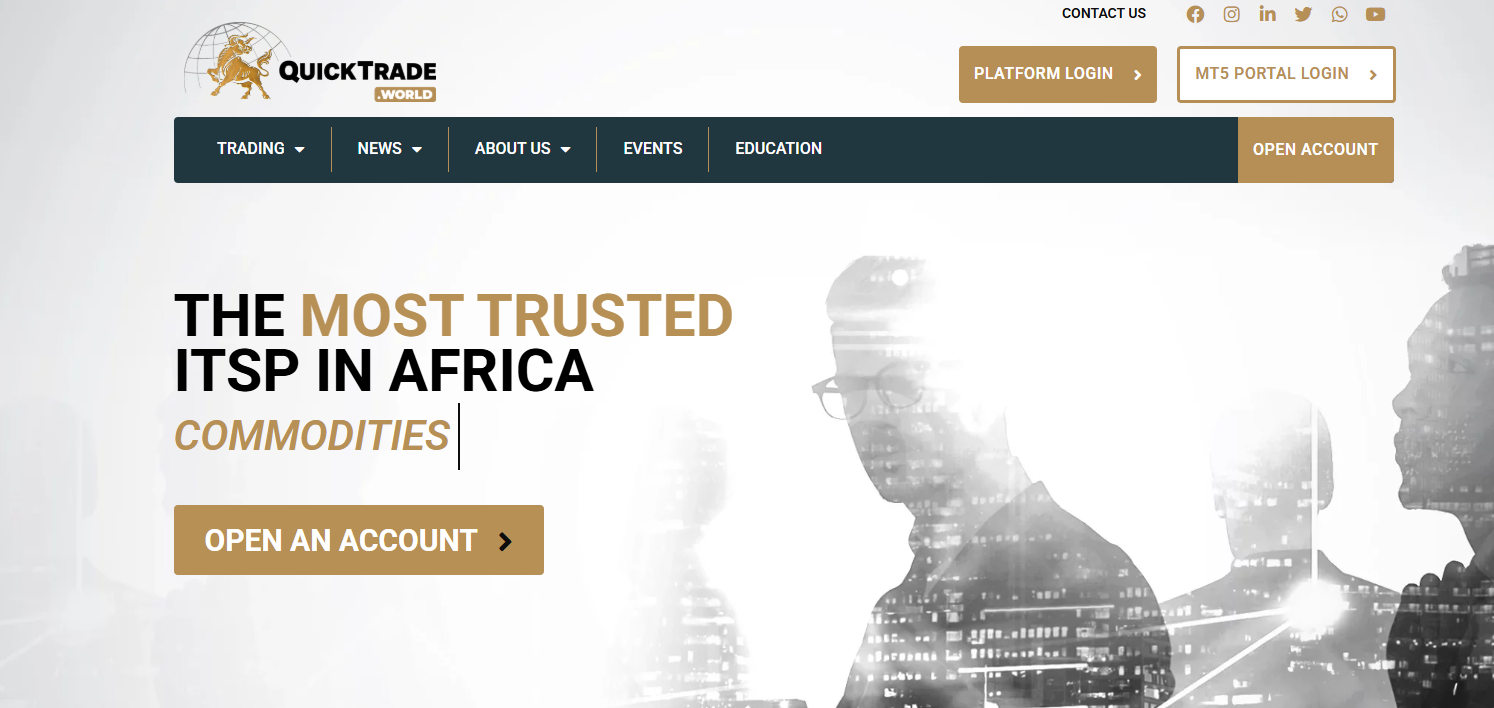
QuickTrade, operating via the domains quicktrade.world and platform.quicktrade.world, presents itself as a sleek, technologically advanced trading platform. It offers CFDs on forex, stocks, commodities, indices, and crypto, with promises of fast execution, 24/7 support, educational tools, and even “same-day withdrawals.” However, behind this polished image lies a complex, opaque structure that raises significant red flags regarding transparency, regulation, and user trust.

This review dissects the structure and operations of QuickTrade, investigates its licensing claims, scrutinizes user feedback, and evaluates the legitimacy of the platform from a regulatory and reputational standpoint.

Marketing vs. Reality

QuickTrade’s website is rich in promotional language. It calls itself “Africa’s Most Reliable ITSP” (Internet Trading Services Provider) and boasts features like fast withdrawal, advanced analytics, and personal support. The platform promises “easy profits” and a seamless user experience — phrasing that immediately triggers concern among experienced traders.

According to ScamAdviser, the presence of such profit guarantees is a classic red flag. No legitimate broker can guarantee earnings, especially in high-risk markets like leveraged CFD trading.

Licensing and Regulatory Structure

One of the most critical aspects of any broker’s credibility is its regulatory status. QuickTrade’s legal structure, however, is far from straightforward:

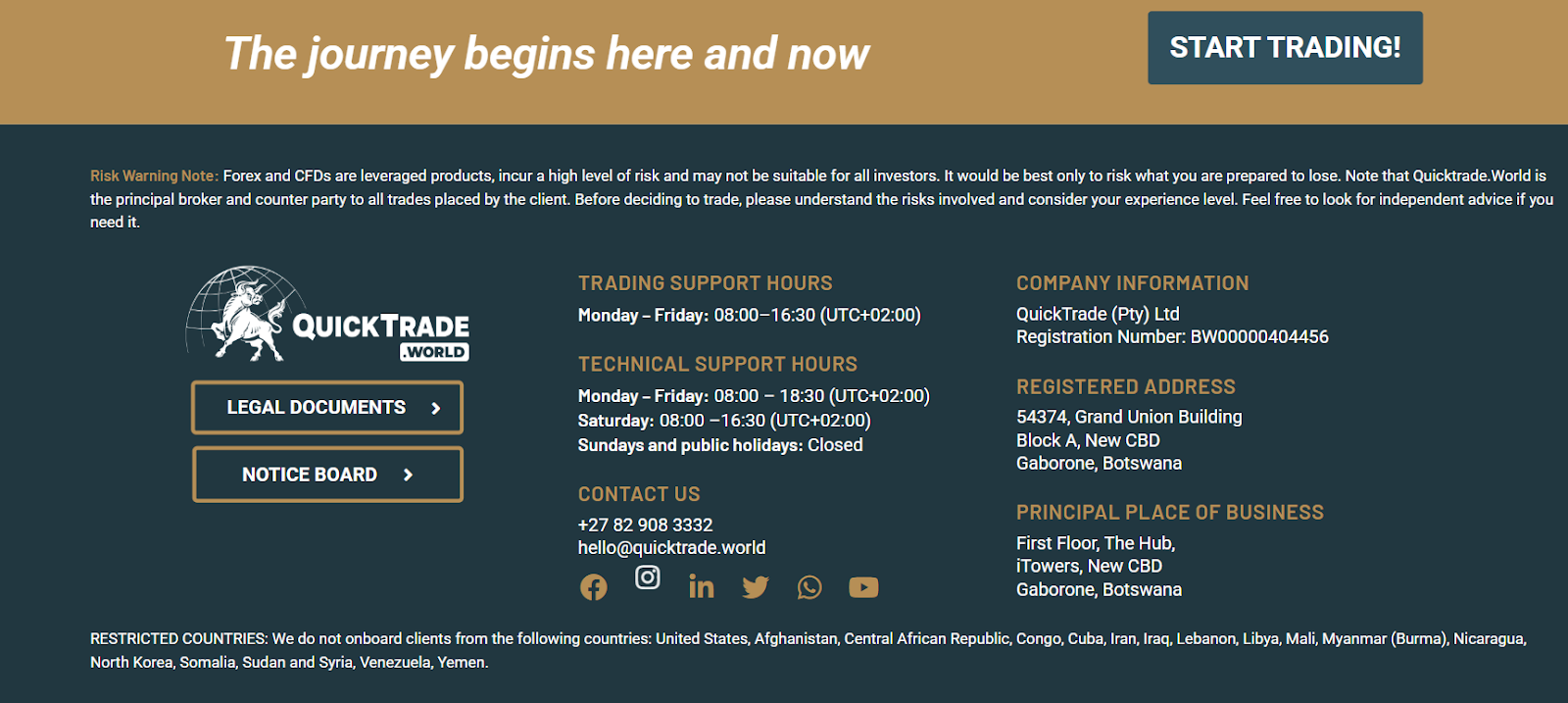
QuickTrade (Pty) Ltd – South Africa

This entity is registered in South Africa and is licensed by the Financial Sector Conduct Authority (FSCA) under license number 45262. However, this license covers only intermediary or advisory services for South African residents and does not extend to core trading services or international operations.

QuickTrade.World (Pty) Ltd – Botswana

More concerning is the entity through which the actual trading operations are conducted — QuickTrade.World (Pty) Ltd, registered in Botswana under registration number BW00000404456. This offshore company is the counterparty to client trades, as stated in the platform’s legal documents.

Botswana is not a recognized jurisdiction for regulating high-risk financial instruments like leveraged CFDs. The absence of oversight from tier-1 regulators like the FCA (UK), ASIC (Australia), CySEC (EU), or NFA (USA) leaves traders fully exposed in the event of dispute or fraud.
Lack of Disclosure

The website fails to clearly disclose these legal distinctions. Most users are unaware that their trading activity is handled by an offshore entity. There’s also no published company ownership, no executive profiles, and no independent legal disclosures — a clear deviation from global standards in financial services.

Dubious Addresses and Hidden Ownership

QuickTrade previously listed a physical office in Johannesburg, South Africa (345 Rivonia Rd), but independent verification confirmed this address does not correspond to an actual broker office. The current listed address in Gaborone, Botswana (The Hub, iTowers, CBD) matches the registration of QuickTrade.World — but does not confirm the existence of a functioning headquarters.

Furthermore, a WHOIS lookup of the domain quicktrade.world shows that all domain ownership details are redacted. This tactic is often employed by fraudulent operations to conceal the identity of the individuals behind the scheme.
User Reviews and Complaints

The most compelling evidence against QuickTrade lies in the consistent and detailed negative feedback from users. On platforms such as Trustpilot, the broker has accumulated a TrustScore below 2 out of 5, with over 80% of reviews rated 1-star.

Common Complaints Include:

  • Withdrawal Scams: Users report being shown large profits (e.g., R316,000), only to be asked for additional payments (e.g., R15,000) to “release” the funds.
  • Frozen Accounts: Multiple traders complain of accounts being blocked during trades with no support or resolution.
  • Vanishing Support: Despite advertising 24/7 assistance, many users say their queries are ignored after deposits are made.
  • Deceptive Promotions: “Guaranteed profit” schemes are common, but users quickly discover the promised gains are unreachable or locked behind fake requirements.

Sample Reviews:

“Don’t engage with them!!!!! They are scammers.”
“They promised me R316K profit, then asked for R15K to release the funds. It’s a scam!”
“My account was frozen mid-trade. Nobody responds. Stay away.”

Such stories are alarmingly common, and QuickTrade has not responded to the majority of these complaints, suggesting a lack of accountability.

Summary of Key Red Flags

  • Lack of International Regulation: The broker is not regulated by any top-tier financial authority such as the FCA (UK), CySEC (EU), or ASIC (Australia). This means there is no meaningful oversight protecting traders’ funds or ensuring compliance with industry standards.
  • Offshore Registration: The main trading operations are conducted through a company registered in Botswana — a jurisdiction with minimal financial regulation. This setup allows QuickTrade to avoid strict controls while exposing clients to substantial risk.
  • Hidden Ownership: There is a complete lack of transparency regarding the people behind the company. WHOIS domain data is redacted, and no information about directors or stakeholders is publicly available — a tactic often used by fraudulent operations to avoid accountability.
  • Misleading License Claims: Although QuickTrade promotes its South African FSCA license, this authorization only applies to limited intermediary services within South Africa. It does not cover the high-risk CFD trading offered globally through the offshore entity.
  • Aggressive and Misleading Marketing: The company uses unrealistic promises of “easy profit,” same-day withdrawals, and personal account managers to attract traders — tactics that are common among scam brokers.
  • Consistently Negative User Feedback: A large number of user reviews describe serious issues, including blocked accounts, delayed or refused withdrawals, and unresponsive customer service. Many users explicitly accuse the platform of being a scam.

Final Verdict on QuickTrade

While QuickTrade hides behind a polished interface and vague regulatory language, the reality is stark:

  • It operates through an offshore structure unfit for handling client funds securely.
  • Its FSCA license is misused to create a false sense of security.
  • It maintains zero transparency around company ownership and operations.
  • It has a documented pattern of complaints, including alleged fraud and refusal to process withdrawals.

If It Looks Like a Scam… chances are, it probably is. QuickTrade shows nearly every hallmark of a high-risk or fraudulent broker. For beginner or international traders, the lack of proper regulation, combined with consistent user complaints, is enough reason to stay away.

Recommendation:

If you are looking to trade safely, always choose brokers licensed by top-tier regulators such as:

  • FCA (UK)
  • ASIC (Australia)
  • CySEC (EU)
  • NFA (USA)

These regulators enforce strict compliance, offer investor protection schemes, and ensure that brokers are accountable.

QuickTrade’s shiny exterior masks a high-risk, opaque, and likely deceptive operation. While it may attract users with bold promises and “easy profit” lures, the legal structure, user experience, and lack of regulatory clarity make it an unsafe choice for anyone serious about trading.

Avoid QuickTrade. Protect your capital. Do your due diligence.

Binarium Broker Review 

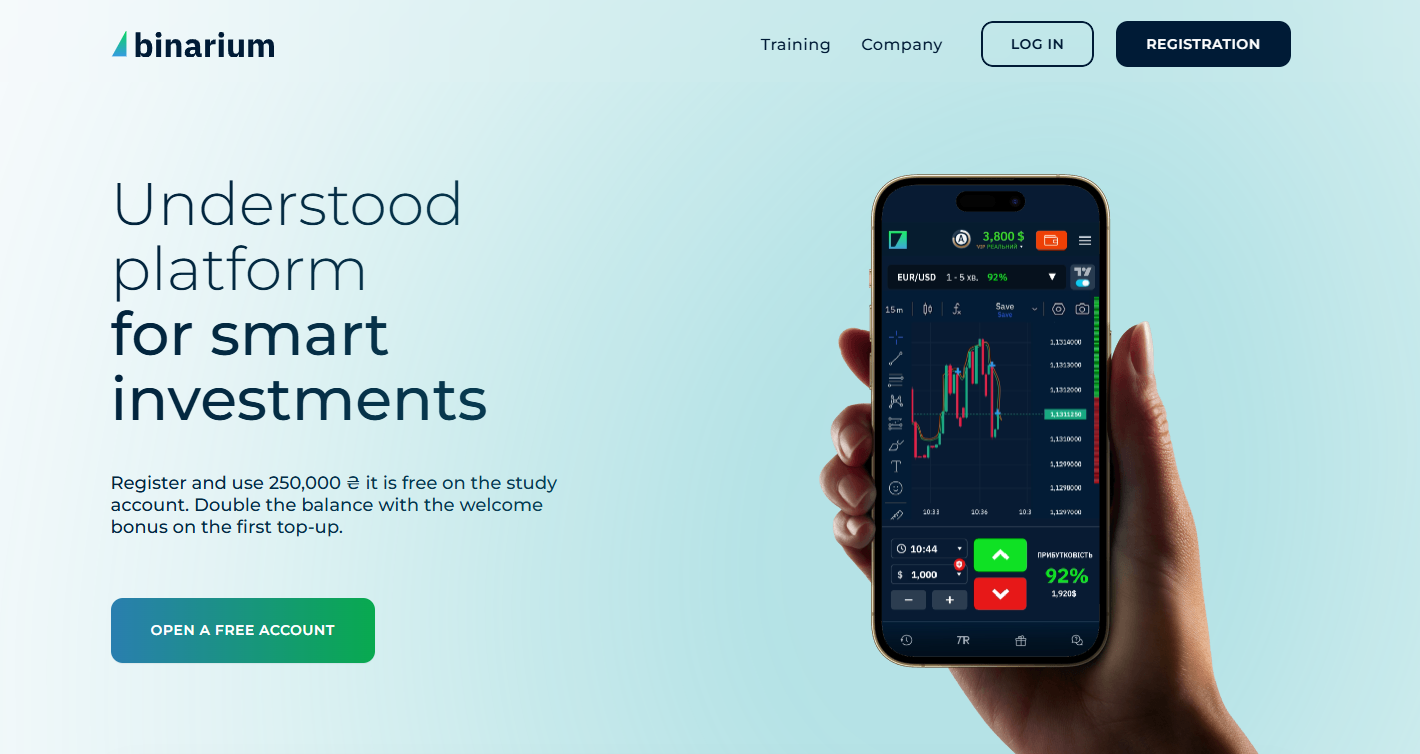
Binarium promotes itself as a binary options trading platform that’s been around since 2012, promising simplicity, fast payouts, and high returns (up to 90% profit per trade). However, behind this polished facade lies a web of deceit. Numerous complaints, blocked withdrawals, fake promises, and lack of regulation suggest Binarium operates more like a financial trap than a legitimate broker.

In this detailed review, we’ll break down why Binarium is widely considered a scam, what warning signs traders should be aware of, and which regulators have blacklisted this broker.

Licensing and Legal Status

Binarium claims to be operated by Binarium Limited, with addresses in Cyprus and Saint Vincent and the Grenadines. However:

  • The Cyprus Securities and Exchange Commission (CySEC) has officially stated that Binarium is not licensed to offer investment services and has warned the public about this broker.
  • Italy’s CONSOB, Spain’s CNMV, and the Central Bank of Russia have all blacklisted Binarium for operating illegally.
  • Binarium’s claimed registration in Saint Vincent is meaningless — the local FSA has publicly stated that it does not regulate forex or binary options brokers.
  • Binarium has no license from any respected regulatory authority (like FCA, ASIC, BaFin, etc.).

In short, Binarium is an unregulated offshore entity with no legal standing in any reputable financial jurisdiction.

Red Flags and Signs of a Scam

1. Blocked Withdrawals

The most common complaint: traders cannot withdraw their money. Once a user earns profit, the platform delays or denies withdrawals, citing:

  • The need to “verify” the account (sometimes requesting paid verification).
  • A “required turnover” condition (hidden terms tied to bonuses).
  • Arbitrary fees, minimum balance thresholds, or even pre-withdrawal tax payments.

One user reported being asked to pay over 25,000 RUB in “fees” after making a profit, with threats that their account would be blocked otherwise.

2. Bonus Traps

Binarium aggressively offers deposit bonuses (e.g. 100% on your first deposit), but they come with undisclosed conditions, such as doubling your trading volume before any withdrawal is allowed. Many traders unknowingly accept these bonuses, only to find they’re locked in and cannot withdraw their funds.

3. Account Deletion and Bans

Multiple users report that their accounts were closed or deleted after profitable trades. Some even lost their entire deposits when accused of violating made-up rules. There’s no appeal process, and customer support is unhelpful or stops responding entirely.

4. Manipulated Platform

Many suspect that the trading charts are manipulated. Some traders claim they had 90% win rates at first (to build confidence), followed by a sudden streak of losses. Because the broker controls the platform and is not regulated, users cannot verify real market prices. You’re essentially betting against a rigged casino.

5. Aggressive “Account Managers”

Binarium employs high-pressure sales tactics. Users often receive unsolicited calls from “managers” pushing them to deposit more money or offering fake guarantees of success. These individuals may use flattery, fake trading signals, or even impersonate financial advisors to gain trust.

Website & Marketing Tactics

  • Multiple Websites: Binarium operates dozens of domains, including binarium.com, binarium.trade, binarium.global, binarium.link, binarium.win, and even local versions like binariumthailand.com.
  • Unrealistic Promises: Ads boast “90% profits in 60 seconds,” “10,000 USD demo account,” and “risk-free trading.”
  • Bonus Baiting: New users are lured with deposit bonuses, contests, and promotions that are designed to lock them in and make withdrawal difficult.
  • Fake Testimonials: Trustpilot and other review platforms are flooded with suspiciously positive reviews, often written in broken English or with repeated phrases. These are likely fake, meant to drown out the real complaints.

Target Victims

Binarium mainly targets:

  • Russia and CIS countries – Most reviews and complaints come from Russian-speaking traders.
  • Eastern Europe and Latin America – Due to weaker regulation in these regions.
  • Southeast Asia – Promotional domains like binariumthailand.com indicate expansion into Thai-speaking markets.

Victims typically report being introduced to Binarium via Telegram, YouTube influencers, and “free signal” groups, where self-proclaimed gurus push the platform in exchange for affiliate commissions.

Regulatory Warnings

Binarium has been officially blacklisted by the following financial authorities:

  • CySEC (Cyprus) – Not authorized to provide investment services.
  • CNMV (Spain) – Unregistered financial firm.
  • CONSOB (Italy) – Websites blocked for illegal investment services.
  • Central Bank of Russia – Added to the warning list of illegal brokers.
  • Ukrainian Securities Commission – Listed as a suspicious entity.

These warnings confirm that Binarium operates illegally in many jurisdictions and should be avoided at all costs.

Conclusion on Binarium

All evidence points to yes. Binarium exhibits all the classic signs of a binary options scam:

  • No regulation
  • Fake promises and unrealistic profits
  • Bonus traps and withdrawal restrictions
  • Reports of fraud, threats, and account closures
  • High-pressure marketing and fake social proof

If you value your money, stay far away from Binarium. There are safer, regulated brokers that offer transparent trading conditions, fair fees, and real legal protection.

What to Do if You Were Scammed

If you deposited money with Binarium and cannot withdraw it:

  1. Contact your bank immediately to request a chargeback.
  2. Save all correspondence and proof of payment.
  3. Report the broker to your national financial regulator.
  4. Warn others by leaving public reviews and filing a complaint on forums and watchdog sites.

Pro Tip: Always check if a broker is regulated by a Tier-1 authority (FCA, ASIC, CySEC, BaFin, etc.) before you deposit money. If a broker offers too-good-to-be-true profits — it’s probably a scam.

Quotex Broker Review

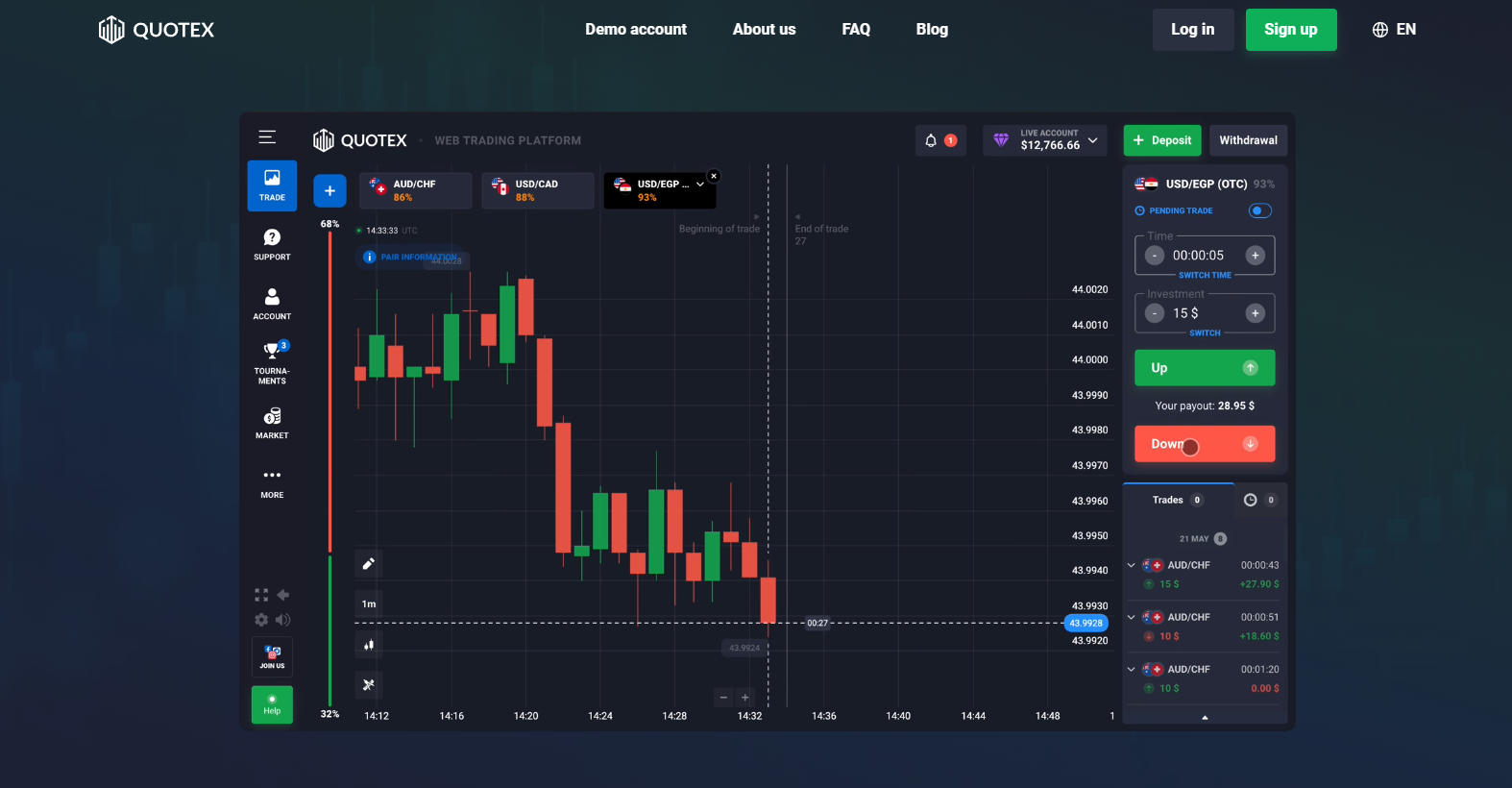
Quotex (quotex.com) is a digital options trading platform that has gained rapid popularity over the last few years. The company offers fixed-return contracts on forex, cryptocurrencies, commodities, and indices, promising up to 95% returns on successful trades. However, alongside its growth, numerous allegations of fraud, withdrawal issues, and regulatory sanctions have surfaced. In this review, we’ll explore all available information on Quotex, including client complaints, legal standing, and regulatory status — so you can decide if this platform is safe to trade with.

Overview of Client Complaints

1. Price Manipulation and Platform Glitches

Multiple users have reported suspicious behavior from the trading terminal. According to some traders, asset prices on the Quotex platform shift unnaturally during the final seconds of trades — often turning profitable options into losses without reflecting real market movement.

Other users have cited platform “lags” that caused orders to freeze or execute incorrectly. In several cases, even when clients provided video evidence of errors, Quotex refused to refund losses. Instead, some users claim they were blocked or ignored by support after reporting problems.

2. Withdrawal Refusals and Account Blocking

A common pattern reported by users is the freezing of accounts when attempting to withdraw profits. While depositing and small test withdrawals may go smoothly, once a trader accumulates a significant balance, the platform may suddenly demand excessive verification steps or accuse the client of violating unclear rules.

For example, one Reddit user described growing their balance from $100 to $810 — only to be blocked after requesting a $110 withdrawal. The account was later closed, and only the initial deposit was returned.

3. Affiliate Payment Fraud

It’s not just traders who have issues — affiliates and partners also report blocked accounts and unpaid commissions. One partner shared that after 6 months of working with Quotex and generating regular traffic, the company froze their account and retroactively accused them of fraudulent referrals. Despite providing evidence of clean traffic, the affiliate was denied any payouts.

Activity on Forums and Social Media

Quotex has been widely criticized on trading forums like Forex Peace Army (FPA) and Reddit. Many discussions highlight price manipulation, trade execution delays, and blocked accounts.

YouTube has also seen a wave of “warning” videos with titles like “Don’t Trade with Quotex – Scam!” and breakdowns of how the platform allegedly rigs trades against users.

On Russian-speaking forums and review platforms, Quotex is often described as a binary scam using bonuses and flashy marketing to lure clients into an unregulated, unwinnable system.

Media Investigations and Red Flags

Independent financial websites such as FinTelegram have explicitly called Quotex a scam. They point out that the broker operated under a fake regulatory license from IFMRRC — a non-governmental, non-transparent entity that is widely dismissed as a “pseudo-regulator.” Quotex’s IFMRRC certificate expired in 2021 and was never renewed.

In addition, Quotex uses payment services like Onepayways, Piastrix, and Perfect Money — all commonly linked to high-risk offshore brokers. For crypto deposits, some versions of the platform even integrate with Coinbase, which raises further questions about how a regulated crypto exchange like Coinbase interfaces with an unregulated binary options site.

Regulatory Warnings and Government Action

Quotex has been flagged as illegal by numerous regulators:

  • Spain (CNMV): In June 2021, CNMV issued an official warning that Quotex was offering financial services without authorization.
  • Italy (CONSOB): In December 2021, the Italian regulator blocked access to quotex.com and related domains. CONSOB stated that Maxbit LLC (operating Quotex) was acting illegally in Italy.
  • Portugal (CMVM): In January 2023, CMVM warned that Maxbit LLC and Awesomo Ltd — both associated with Quotex — were not licensed and should not offer investment services in the country.
  • India (RBI): In October 2024, the Reserve Bank of India added Quotex to its official Alert List of unauthorized trading platforms.
  • Russia: The Bank of Russia listed Quotex as an illegal participant in the financial market, and the Prosecutor’s Office ordered multiple domain blocks. The broker continues to evade these restrictions by launching mirror websites under new domain names.

Other jurisdictions including Belgium, Poland, Germany, and Czechia have also published warnings or blocked access to Quotex.

Legal Structure and Licenses

Quotex’s corporate structure is deliberately opaque. It is associated with several offshore entities:

  • Maxbit LLC (Saint Vincent and the Grenadines)
  • Awesomo Ltd (Seychelles)
  • Quotex Ltd (unknown jurisdiction)
  • ON SPOT LLC Group (St. Kitts and Nevis) – newer branding since 2022

None of these companies are licensed by any recognized financial authority such as FCA (UK), CySEC (Cyprus), ASIC (Australia), or NFA (USA). Their registrations are in offshore regions known for minimal oversight, such as St. Vincent and Seychelles.

Moreover, as noted earlier, Quotex relied on a now-expired certificate from IFMRRC, which is not a legitimate regulator.

The platform does not offer investor protection, fund segregation, or legal mechanisms for dispute resolution.

Website Transparency and Domain Evasion

On top of its regulatory issues, Quotex violates basic transparency standards. The platform’s website often omits key legal information such as corporate identity, responsible officers, and license numbers. In Germany, for instance, Quotex lacked the required Impressum page — a legal obligation under German law.

To avoid being blocked, Quotex frequently changes domain names, launching new mirrors and affiliate links to remain online in blacklisted regions. By 2023, dozens of such domains had been blocked in Russia and the EU.

Final Verdict on Quotex

Based on available evidence, Quotex fits the profile of a high-risk, unlicensed binary options platform with a history of user complaints, regulatory sanctions, and evasive practices.

Key concerns:

  • Numerous withdrawal problems and account bans
  • Price manipulation and unexplained trade losses
  • Offshore registration with no real regulatory oversight
  • Blacklisted by regulators in Europe, India, Russia, and more
  • Pseudo-license from IFMRRC that expired in 2021
  • Affiliate payout issues and unclear business structure

We strongly advise against using Quotex. Traders who value safety, transparency, and accountability should avoid unlicensed binary brokers entirely — and consider regulated platforms that comply with financial law in their region.

If you’ve already deposited funds and experienced issues with Quotex, consider contacting a legal expert experienced in chargeback and fraud recovery, and file a complaint with your country’s financial watchdog.