

Starling Capital Review
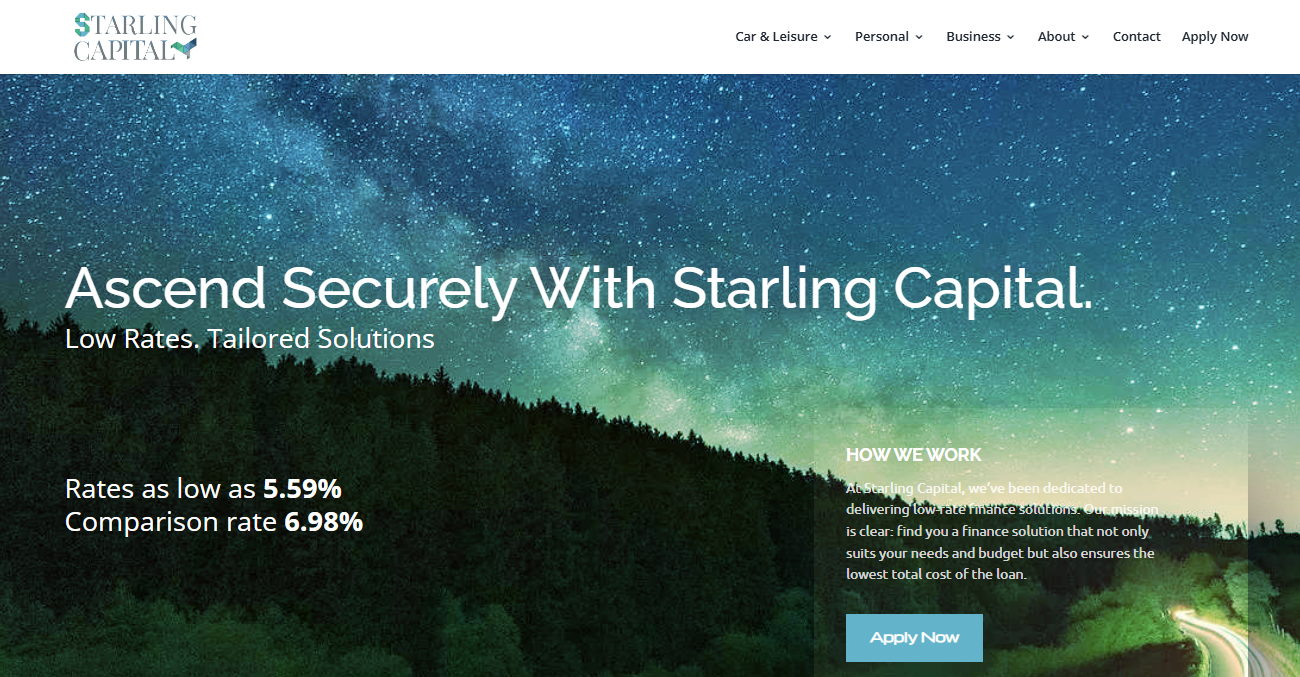
Starling Capital presents itself as an international brokerage company offering access to CFD trading and cryptocurrency markets. The project operates through the website starling-capital.org and claims to provide investment services across global financial markets, including the United States, Europe, and Asia. At first glance, the positioning appears familiar and professional, but a closer examination reveals a structure that lacks the fundamental elements required for legitimate brokerage activity.
No Legal Entity and No Jurisdiction
One of the most serious issues with Starling Capital is the complete absence of legal identification. The company does not disclose the name of the legal entity operating the platform, does not specify a country of registration, and provides no corporate address or registration number. As a result, clients have no way of knowing who actually controls the platform or under which legal framework their funds are supposedly managed.
For any broker offering financial or investment services, this level of opacity is unacceptable. Without a clearly identified legal entity, there is no accountable party, no contractual counterparty, and no realistic legal recourse for clients in the event of disputes or losses.
Unverified Claims of Regulation
Starling Capital claims to be regulated by the Cyprus Securities and Exchange Commission. However, this statement is not supported by any verifiable evidence. The website does not provide a license number, does not name the licensed company, and does not link to any official regulatory register.
In legitimate cases, CySEC licenses are publicly available and easily verifiable. The complete absence of supporting documentation strongly suggests that the reference to regulation is purely promotional and intended to create a false sense of credibility. In practice, Starling Capital appears to operate without any confirmed regulatory oversight.
False Impression of Market Access
The broker claims to offer access to major global exchanges such as NYSE, Nasdaq, LSE, Euronext, and HKEX. These statements are presented without any technical or legal substantiation. No information is provided about clearing partners, liquidity providers, custody arrangements, or brokerage memberships that would be required to support such access.
In reality, a platform without a valid license and disclosed infrastructure cannot provide direct access to these exchanges. What clients are actually offered are CFD contracts traded within an internal system, where pricing, execution, and outcomes are fully controlled by the platform itself. This creates a clear conflict of interest and removes any connection to real market trading.
Closed and Unverifiable Trading Platform
Starling Capital relies on a proprietary web-based trading platform rather than established and independently verifiable solutions such as MetaTrader. The use of a closed platform means that clients cannot independently verify price feeds, execution quality, or order handling.
In such an environment, the broker has full control over quotes, spreads, and trade outcomes. This structure leaves clients entirely dependent on the platform’s internal logic and eliminates any possibility of external verification in case of manipulation or disputes.
Trading Accounts Without Transparent Conditions
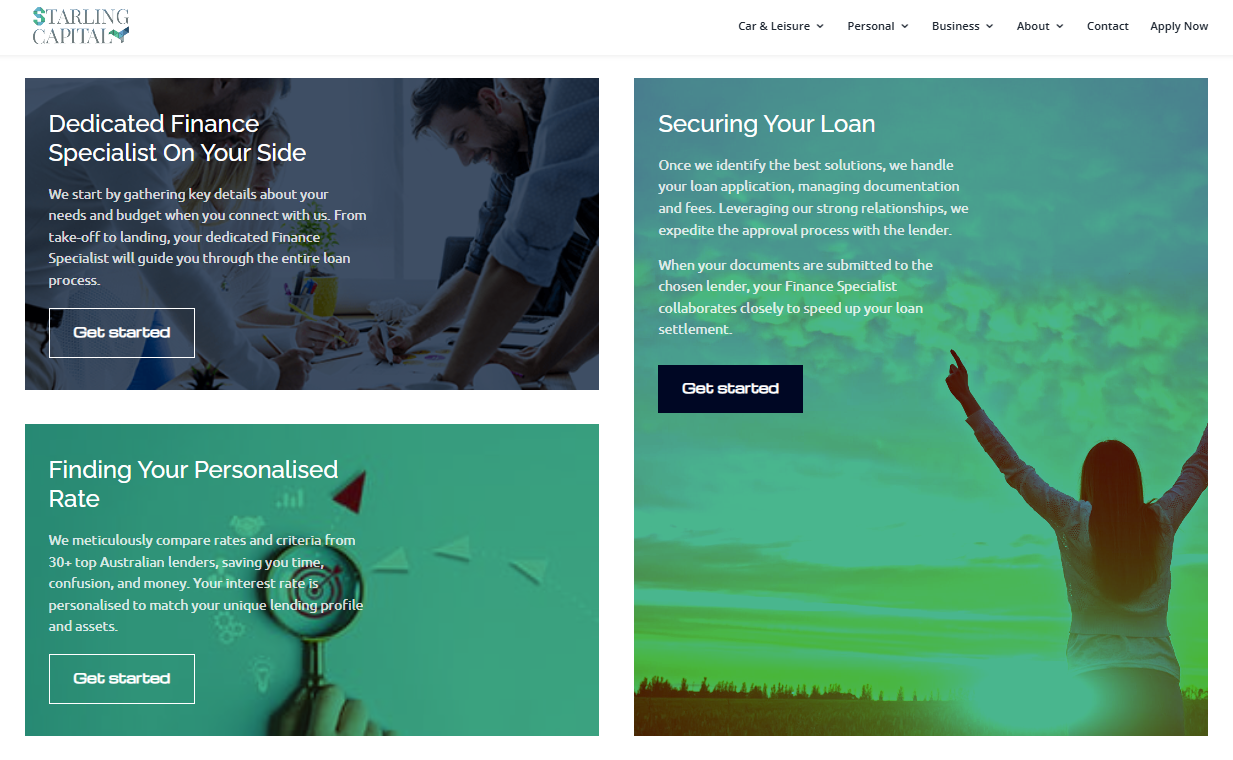
The platform advertises multiple account types with different minimum deposit requirements, but fails to disclose the actual trading conditions attached to these accounts. Key parameters such as spreads, commissions, leverage, margin requirements, and swap fees are not published.
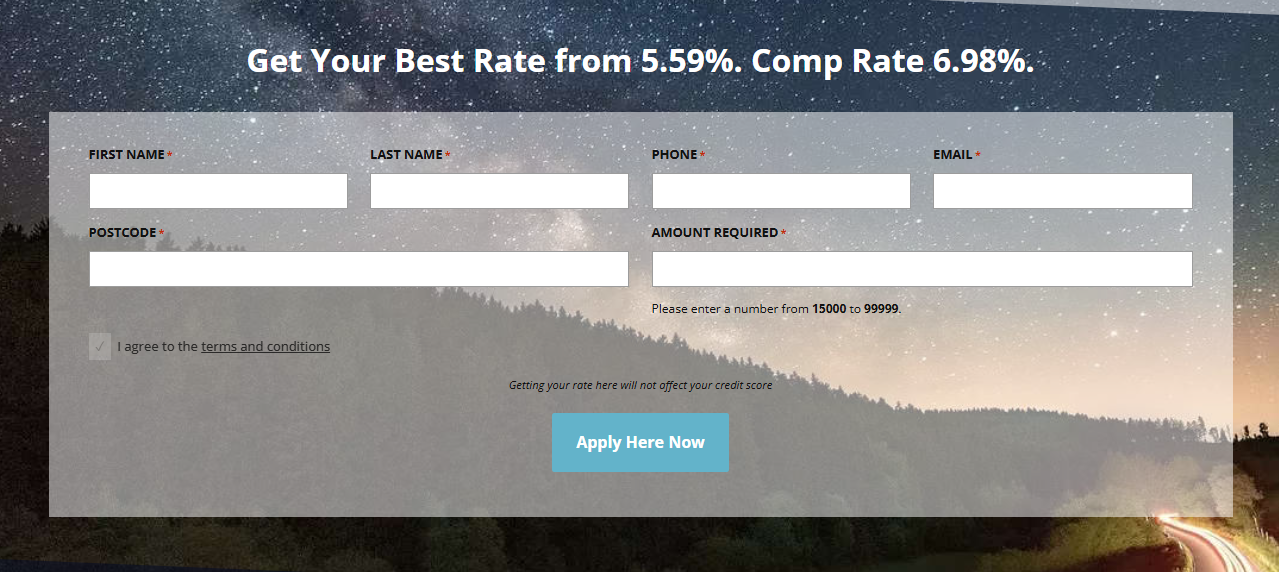
This lack of transparency prevents clients from understanding the real cost and risk of trading before depositing funds. In practice, the account structure appears designed to encourage progressively higher deposits rather than to provide clearly defined trading services.
Hidden Payment Rules and Withdrawal Risks
Starling Capital does not publicly disclose supported payment methods, withdrawal procedures, processing times, or applicable fees. Important financial rules are either missing or inaccessible prior to registration. Clients are expected to deposit funds first and only then discover the conditions under which withdrawals may or may not be allowed.
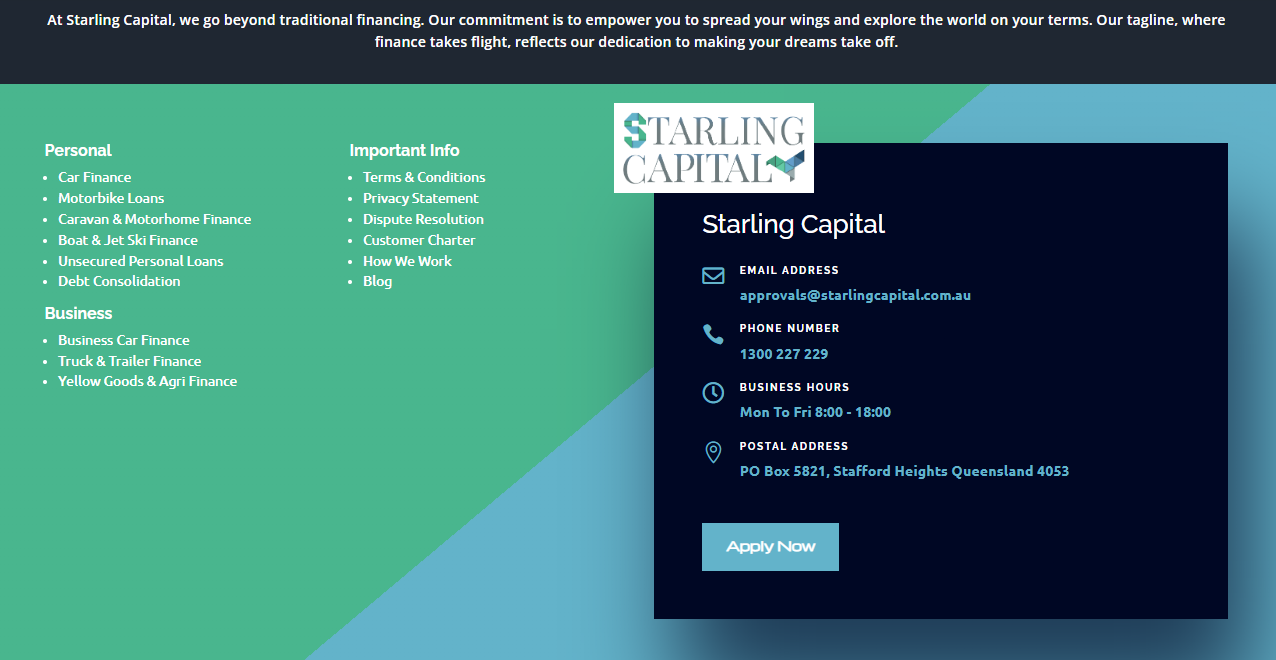
Such an approach places all control in the hands of the platform and significantly increases the risk of withdrawal delays, additional charges, or outright refusal to return client funds.
Anonymous Communication Model
Communication with Starling Capital is limited to an online contact form, often available only after account registration. There are no verified phone numbers, no corporate email addresses, no physical office location, and no active social media channels. The presence of inactive social icons further reinforces the impression of a deliberately anonymous operation.
This communication model is typical of short-lived or high-risk platforms that seek to minimize accountability and simplify disappearance in the event of complaints or regulatory attention.
Final Assessment
Starling Capital exhibits a combination of red flags commonly associated with fraudulent or pseudo-broker projects. The absence of a legal entity and jurisdiction, unverified regulatory claims, unsupported statements about exchange access, a closed trading platform, hidden trading and payment conditions, and anonymous client communication collectively indicate a high-risk operation.
The platform does not offer clients legal protection, transparency, or reliable safeguards. Any funds deposited into the system remain outside a regulated financial framework and are fully dependent on the internal decisions of the platform operator.
Conclusion: Starling Capital cannot be considered a legitimate broker. It represents a high-risk project with clear signs of deceptive practices, and interaction with this platform carries a substantial risk of total loss of invested funds.